2026 Best Black Grating Types for Global Buyers?
Black Grating is not one finish or one specification. Buyers may be comparing untreated carbon-steel panels, painted surfaces, or galvanized alternatives marketed for darker applications. The right choice depends on load, span, exposure, and maintenance—not appearance alone. On a warehouse mezzanine, a forklift’s repeated wheel loads matter. Outdoors, standing water and damaged coatings can matter more. Details matter.
The World Steel Association reported 1,888.2 million tonnes of global crude steel production in 2023, in its 2024 World Steel in Figures report. That scale offers useful material context, but it does not show which grating type suits a particular site. Corrosion deserves equal attention. Gregory H. Koch, a corrosion specialist and lead author of NACE International’s 2016 IMPACT study, reported: “The global cost of corrosion is significant and it is estimated to be US$2.5 trillion, equivalent to 3.4% of the global GDP.” This estimate is broad, not specific to grating, and should be read in context. Still, it underscores why coating condition and service environment belong in procurement decisions. This guide compares common Black Grating types by finish, strength, upkeep, and typical use. It also flags a practical limitation: no finish is maintenance-free, and product descriptions alone cannot replace verified load tables, drawings, and project-specific review.
What Black Grating Is and How It Is Manufactured
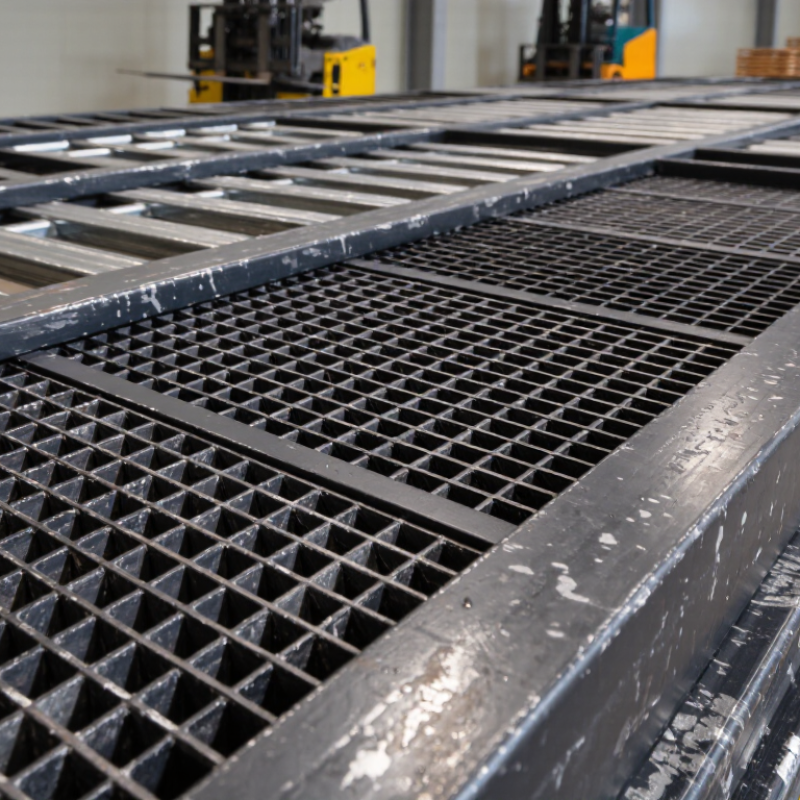
Black grating is an open-grid surface with a black appearance, made from metal or fiber-reinforced plastic. The color alone does not identify its material or performance. That distinction matters.
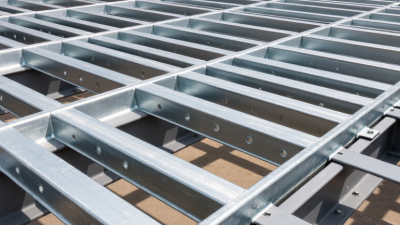
Steel grating is commonly formed by welding load-bearing bars to crossbars. Its black finish may come from paint, powder coating, or another specified surface treatment. Coating thickness and preparation affect how well the finish adheres, especially around welds and cut edges. Inspect those areas closely. A black surface is not automatically corrosion-proof.
Fiberglass grating is manufactured by molding or pultrusion. In molded products, glass-fiber reinforcement and resin are placed in a mold and cured into a grid. Pultruded grating uses continuous reinforcement drawn through resin and a heated forming die. Black pigment may be mixed into the resin, though some products receive a surface coating instead. The manufacturing route can influence bar direction, surface texture, and load capacity. Check the product data, not just its color.
For a purchase, compare opening size, panel dimensions, load tables, and slip-resistant finish with the installation conditions. Chemical exposure and temperature also matter. Product terminology is not always consistent; “black grating” can describe different materials and finishes. Ask for material and finish details before comparing prices.
How Materials and Finishes Define Black Grating Types
For global buyers, black grating is not one material with one finish. Welded carbon-steel grating may receive a black paint or powder coating, while galvanized steel can use a compatible black topcoat. Check cut edges and welds: scratches can expose steel and invite corrosion. In damp or coastal locations, the finish system matters as much as the bar size.
The risk is measurable. NACE International’s 2016 IMPACT study estimated corrosion costs at US$2.5 trillion annually, about 3.4% of global GDP. That figure covers many industries, not grating alone, but it shows why coating choice deserves attention. Stainless steel can be chemically blackened, though the dark appearance itself does not guarantee strong corrosion protection. Aluminum grating may use black anodizing; molded FRP can carry pigment through its resin. Each option still needs load, span, chemical exposure, and maintenance checks.
Color is not structure. A black surface can also make wear or residue harder to spot. Ask for the base-material grade, coating specification, and inspection details—not just a color sample. One imperfect point: buyers sometimes focus on appearance before checking drainage and edge treatment. That order can cost them later.
Which Black Grating Types Suit Different Industrial Applications
2026 Best Black Grating Types for Global Buyers? Which Black Grating Types Suit Different Industrial Applications
Black grating comes in several forms, and color alone does not determine performance. Molded fiberglass-reinforced plastic (FRP) grating suits many corrosive, wet areas, such as chemical washdown platforms. Its molded openings drain water, while a grit surface can improve footing. Pultruded FRP panels have continuous load-bearing bars, making them useful for longer spans and walkways. Check the required load and support spacing. Not always obvious.
Black-coated steel grating can suit workshops, service platforms, and areas needing high rigidity. However, scratches may expose the underlying metal, so coating condition and maintenance matter. For heavy traffic, confirm the panel’s load rating and bearing-bar direction against the actual support layout. A dark finish may also absorb more heat in direct sun. That detail is easy to miss.
Tips: Ask for material, coating, load, and span data—not just a color sample. Compare the finish with the site’s chemicals, moisture, and cleaning routine. If the area is oily, test the proposed surface texture; “anti-slip” can feel different under real working conditions. Field checks are worth the extra time.
How Standards, Sizing, and Supply Needs Shape a 2026 Purchase
2026 Best Black Grating Types for Global Buyers?
How Standards, Sizing, and Supply Needs Shape a 2026 Purchase
“Black” often describes the finish, not the grating’s material or construction. Uncoated carbon-steel grating is common for industrial platforms, while black-pigmented molded FRP suits some lightweight or corrosion-sensitive applications. Welded steel panels offer a familiar, rigid option; pressure-locked panels can provide a cleaner appearance. The right choice depends on loads, environment, and maintenance plans. A dark finish alone does not confirm corrosion protection.
Tips: Confirm the governing project standard with the buyer, engineer, and supplier. Share the required load rating, clear span, bearing-bar direction, panel size, and cutout locations. Small drawing gaps matter. A support detail missed early can mean costly site trimming.
For international orders, compare specifications rather than relying on product names. Check bar spacing, opening size, panel tolerances, edge treatment, and test documentation against the project requirements. Then verify available stock, minimum order quantities, production time, and export packaging. Long panels need secure support during transport; otherwise, they may arrive bent or damaged. Ask how replacement panels will match the original dimensions and finish. Even careful planning can miss a local installation detail, so review a marked-up drawing before production.
2026 Best Black Grating Types for Global Buyers?
How standards, sizing, and supply needs shape a 2026 purchase
The chart compares nominal bearing-bar spacing for common U.S. welded-grating designations. Smaller spacing means bars are closer together; it does not by itself indicate load capacity. For a 2026 purchase, confirm the applicable local standard, load and span requirements, surface finish, panel dimensions, and supplier availability.