China Best Welded Steel Grating Supplier?

Choosing China’s best Welded Steel Grating supplier requires more than comparing prices. Buyers need consistent dimensions, sound welds, dependable load data, and clear quality records. Small defects matter. A rough bearing bar or uneven zinc coating can complicate installation and shorten service life.

The World Steel Association’s World Steel in Figures 2024 reports that China produced 1,019.1 million tonnes of crude steel in 2023, out of 1,892.2 million tonnes worldwide. These figures describe steel production, not grating output. Still, they show the scale of China’s steel supply base. Scale alone does not prove a supplier’s capability. Ask for product-specific test results, material specifications, coating details, and traceable inspection records. For galvanized products, confirm the applicable coating requirements and how thickness is checked.

As worldsteel Director General Dr. Edwin Basson has emphasized in public remarks, steel production must become more sustainable; this is a paraphrase, not a verbatim quotation. That concern also matters when selecting a grating manufacturer. Compare documented material sourcing, production controls, and delivery reliability—not broad claims alone. Request samples or inspection evidence for the exact panel type, bearing-bar size, and surface finish you plan to order. Then assess whether the supplier can explain its decisions clearly. Good sourcing is measurable. No single label guarantees quality.
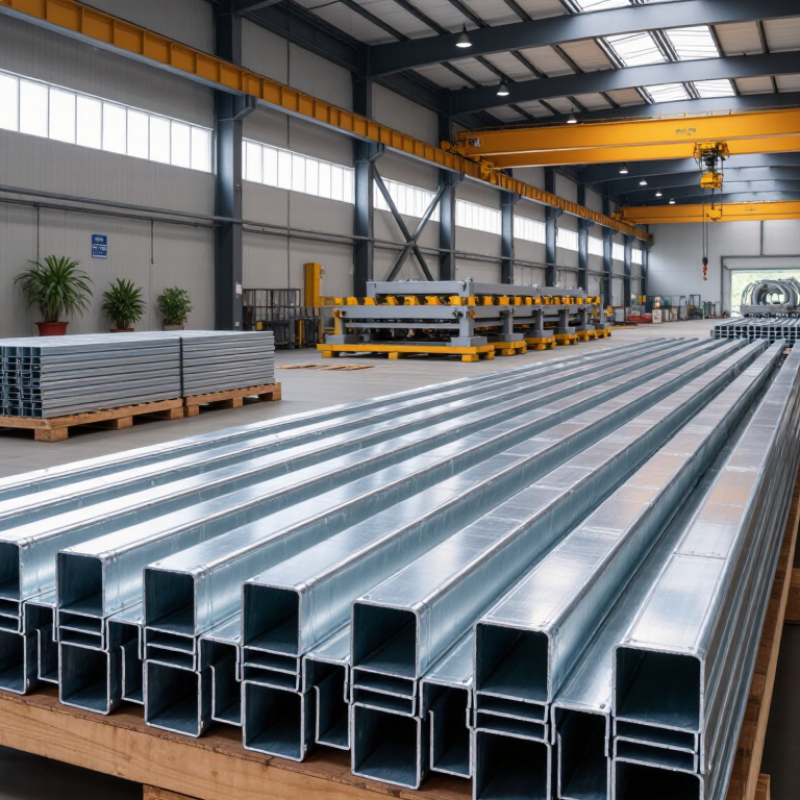
China Best Welded Steel Grating Supplier?

What Welded Steel Grating Is and How It Is Made

China Best Welded Steel Grating Supplier?

What Welded Steel Grating Is and How It Is Made

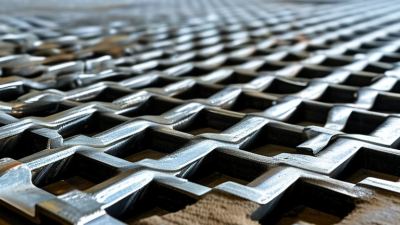
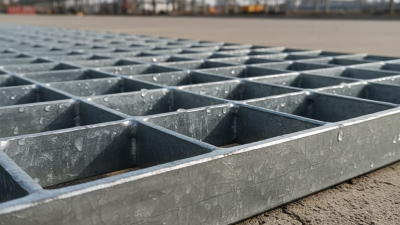
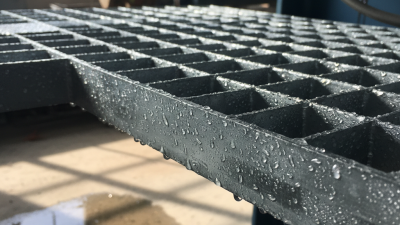
Welded steel grating is an open-grid panel made from load-bearing bars joined by crossbars. The bars carry the main load; the crossbars keep spacing consistent and help the panel act as one unit. Its open surface lets water, light, and debris pass through. You may see it on walkways, platforms, stair treads, or drainage covers. The exact bar size and spacing matter.

In production, steel bars are cut to specified lengths and arranged in a fixture. Crossbars are placed across them at regular intervals. A resistance-welding machine presses and heats each intersection, forming a fused joint without separate bolts. The panel is then trimmed, checked for dimensions, and may receive a protective coating such as hot-dip galvanizing. That detail matters.

Quality is more than a neat appearance. A buyer should confirm material grade, bar dimensions, weld consistency, panel span, and intended loading conditions. Surface finish and edge treatment also affect handling and service life. Not every grating suits every site: a fine grid may help retain smaller objects but can collect debris, while wider spacing affects footing and drainage. Specifications should be checked against actual supports and use. Even careful production cannot correct a poorly chosen design. One practical step: request measured samples or inspection records before approval.
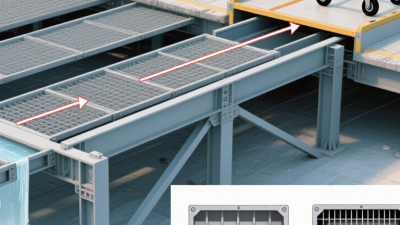

Key Standards and Quality Factors for Chinese Suppliers

China’s best welded steel grating supplier is not simply the one offering the lowest price. Check whether its standards, material records, and inspection results match your project requirements. The World Steel Association reported 1,892.2 million tonnes of crude steel production worldwide in 2023. Scale is not quality.

For Chinese suppliers, ask whether products follow YB/T 4001.1-2019, the national standard for steel grating. Confirm bearing-bar dimensions, cross-bar spacing, panel size, and stated load capacity against approved drawings. Weld quality also matters. ISO 3834 sets quality requirements for fusion welding, while GB/T 13912-2020 covers hot-dip galvanized coatings on fabricated steel articles. Standards guide production; they do not replace batch-level evidence.

Request material certificates, welding inspection records, coating-thickness results, and load-test reports relevant to your order. Then check a sample: measure bar spacing with a caliper, inspect weld consistency, and verify coating thickness with a calibrated gauge. Small defects matter. A certificate may look convincing, yet still fail to identify the delivered batch. I would treat unclear traceability as a warning, even when the panel looks clean.

How to Compare Supplier Capabilities and Product Options

China Best Welded Steel Grating Supplier?

How to Compare Supplier Capabilities and Product Options

A useful supplier comparison starts with your actual operating conditions, not a low unit price. Share the span, support layout, expected load, opening size, and environment. Then check whether each quote specifies bearing-bar depth, spacing, cross-bar pitch, panel dimensions, and finish. These details affect fit, drainage, and safe load performance. Ask for relevant load tables, dimensional tolerances, material records, and a sample panel. Photos help. Samples matter. A sample also lets your team inspect weld consistency and coating coverage before ordering.

The World Steel Association’s World Steel in Figures 2024 reports global crude steel production of 1,892.2 million tonnes in 2023. That figure describes the industry’s scale, not the quality of any grating supplier. Compare production controls instead: documented welding procedures, inspection records, traceability, and the ability to hold dimensions across repeat orders. Ask how the supplier handles a drawing revision or a panel that arrives out of square. Their answer can reveal more than a polished brochure. I may be giving paperwork extra weight, but missing records can make a straightforward specification harder to verify. Check options such as serrated or plain surfaces and galvanized or other specified finishes against the site conditions. A cheaper quote is not a fair comparison when materials, tolerances, or inspection scope differ.

Common Applications Across Industries

Welded steel grating serves many industries because its open structure allows water, air, and light to pass through. In factories, it commonly forms walkways, equipment platforms, and stair treads. Workers can see spills more easily, though the surface still needs suitable slip resistance. Around processing equipment, removable panels can provide access for inspection and maintenance. Small details matter.

Construction sites use grating for temporary or permanent access routes, while power and utility facilities rely on it for elevated service platforms. The correct panel depends on the clear span, expected loads, support layout, and exposure to moisture or chemicals. A supplier should be able to provide product dimensions and load information for review, rather than relying on appearance alone.

Water-treatment plants and transport facilities also use grating for drainage areas, service walkways, and ventilation platforms. In coastal or corrosive environments, finish selection deserves particular attention; a coating is not a substitute for checking the exposure conditions. Even routine maintenance access can be overlooked during design. That is worth reconsidering before installation.

How to Verify and Select a Reliable Chinese Supplier

Choosing a welded steel grating supplier takes more than comparing prices. Start by checking the company’s registered business details, manufacturing location, and years of relevant production experience. Ask whether the supplier makes the grating in-house or outsources key steps. A clear answer is useful; vague claims deserve follow-up.

Request drawings that show bearing-bar size, spacing, cross-bar spacing, panel dimensions, and tolerances. Ask for recent inspection records and test reports, then confirm that the results match your project’s stated requirements. Check how weld quality is assessed and whether surface treatment details, such as coating type and thickness, are documented. Certificates can help, but verify their scope, issuing body, and validity. Do not rely on a logo or a scan alone. Ask for evidence.

A sample can reveal details that sales photos miss: uneven spacing, rough edges, weak welds, or coating damage. Measure it against the approved drawing. For larger orders, consider an independent inspection before shipment. Also agree on packaging, delivery dates, replacement procedures, and what happens if dimensions are outside tolerance. Keep the requirements in writing. A supplier’s communication is part of the evaluation, though quick replies do not prove good production. One point is easy to overlook: even a careful checklist cannot remove every risk, so leave time for a physical sample and a second review.

China Best Welded Steel Grating Supplier? - How to Verify and Select a Reliable Chinese Supplier
Evaluation Dimension What to Verify Evidence or Validation Method Potential Warning Sign
Product specification Confirm bar type, bearing-bar depth and thickness, pitch, cross-bar spacing, panel dimensions, and surface finish against the project drawings. Request a dimensioned shop drawing and a written specification for approval before production. The quotation uses vague terms such as “standard grating” without defining dimensions or tolerances.
Steel material Check the specified steel grade, product form, and required mechanical or chemical properties for the intended application. Request material test certificates linked to the supplied batch; compare them with the purchase specification and applicable material standard. Material grade is omitted, changed without approval, or unsupported by batch documentation.
Welding quality Verify that bearing bars and cross bars are joined using the specified process and that weld quality meets the project requirements. Review the inspection plan, weld acceptance criteria, and any applicable welding procedure or qualification records. Confirm the governing code with the project engineer. The supplier cannot explain its inspection method or treats visual inspection as proof of every required weld property.
Load capacity and deflection Confirm the design load, clear span, support conditions, bearing-bar orientation, and allowable deflection for the actual installation. Request load tables or calculations that match the specified grating configuration and project criteria; have the responsible engineer review them. A load rating is quoted without stating span, load type, grating details, or deflection basis.
Galvanizing and corrosion protection Clarify whether the grating is supplied bare, painted, or hot-dip galvanized, and define coating requirements for the service environment. If specified, identify the applicable coating standard and acceptance requirements. ISO 1461 covers hot-dip galvanized coatings on fabricated iron and steel articles; confirm its suitability and edition for the project. “Galvanized” is stated without a defined standard, inspection method, or required coating acceptance criteria.
Dimensions and workmanship Check panel length and width, squareness, flatness, cut-outs, edge bars, clips, and other fabricated details against approved drawings. Agree on measurable tolerances and inspection points; verify finished panels against the approved drawings before dispatch. Critical tolerances and cut-out details are left to interpretation or confirmed only after production.
Quality management and inspection Assess how incoming material, production, final dimensions, coating, and nonconforming products are controlled. Review relevant quality-system documentation and request inspection records for the order. ISO 9001 certification, if offered, should be checked for scope, validity, and issuing certification body. A certificate is presented without a verifiable scope or current validity, or no order-specific inspection records are available.
Traceability and documentation Confirm that materials and finished panels can be associated with the relevant production batch and purchase order. Agree on required records, such as material certificates, inspection reports, packing lists, and marking details, before placing the order. Documents cannot be matched to the ordered material, batch, or finished goods.
Production capability and lead time Check that the supplier can manufacture the specified panel sizes, loading requirements, finishes, and order quantity within the required schedule. Ask for a production schedule, capacity confirmation, and the planned inspection and dispatch milestones. The delivery date is promised without a production plan or confirmation of material availability.
Sample and pre-shipment checks Determine whether a representative sample, first-article review, or third-party inspection is appropriate for the order. Set inspection scope, acceptance criteria, timing, and responsibility in the purchase documents before manufacturing or shipment. Inspection access or agreed acceptance checks are refused after being included in the order requirements.
Packaging and delivery Confirm bundling, lifting and handling arrangements, protection from transit damage, package identification, and delivery terms. Review the packing plan and shipping documents; state the delivery term and named place clearly in the contract. Packaging, unloading responsibility, or the delivery point is not clearly defined.
Quotation and contract clarity Compare quotations on the same technical scope, quantities, finish, documentation, inspection, delivery term, and payment schedule. Use an approved specification and drawing as contract attachments; document change control, acceptance, and remedies for nonconforming goods. A low price depends on exclusions, substitutions, or conditions that are not disclosed in the quotation.
WhatsApp Online Chat !