What Are the Top Mill Finish Steel Grating Types in 2026?
Mill Finish Steel Grating is not one product with one performance profile. “Mill finish” describes steel supplied without a later protective coating; the grating itself may be welded, press-locked, or swage-locked. Each construction method affects rigidity, appearance, fabrication, and installation. The right choice depends on the job. Think of a damp service corridor, a sunlit platform, or a floor carrying wheeled equipment. Details matter.
A fictional specialist, Alex Morgan, offers this illustrative line—not a verified quotation: “Choose the grating by its load path and environment, not by appearance alone.” That is a useful starting point, not a substitute for engineering review. Buyers should compare bearing-bar depth and spacing, cross-bar arrangement, panel span, opening size, and the expected loads. They should also consider drainage, debris, foot traffic, and exposure to moisture. Mill finish is not the same as corrosion protection, so the service environment deserves careful attention.
This guide examines the leading Mill Finish Steel Grating types for 2026, including their construction and practical trade-offs. Some projects favor a rigid welded panel. Others need a different bar arrangement or a particular fit around supports and openings. There is no universal winner. Even a familiar specification can be wrong when the span or site conditions change. Use the comparisons to narrow options, then confirm dimensions, loads, and applicable project requirements with a qualified engineer or supplier. One detail is easy to miss: a clean-looking panel does not prove it suits the duty.
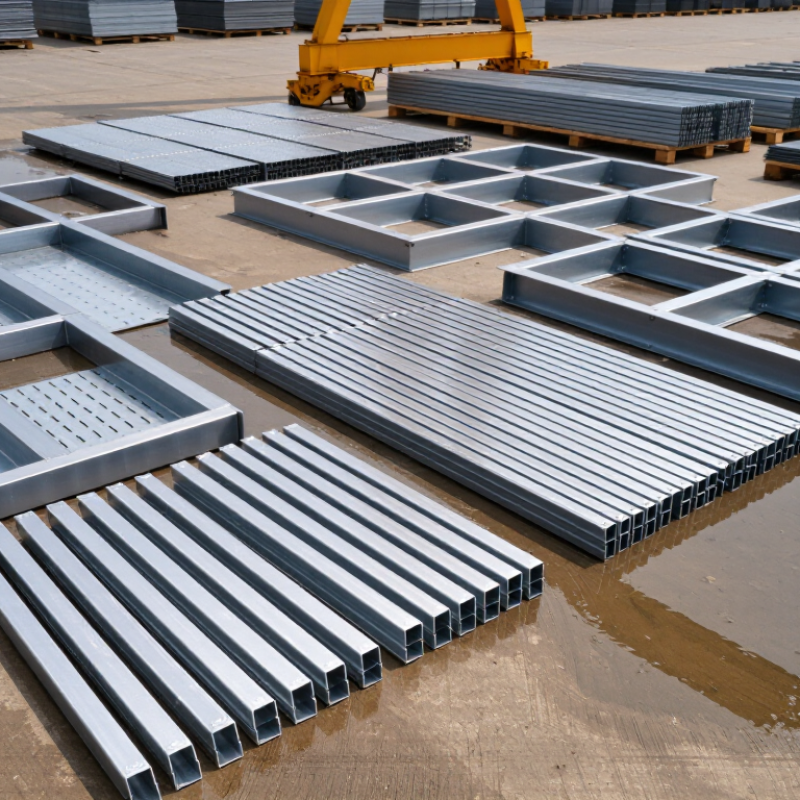
Mill-Finish Steel Grating Defined: Bare Carbon Steel Without a Protective Coating
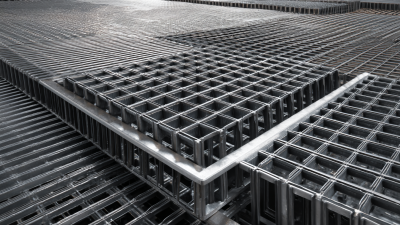
Mill-finish steel grating is carbon steel supplied without a protective coating. Its surface is bare, not galvanized or painted, so the metal’s appearance and condition remain visible. Depending on how the load bars and crossbars are joined, common options include welded and press-locked grating. Both can be supplied in a plain, uncoated finish.
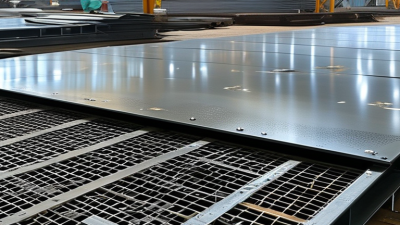
Look closely. A fresh panel may show a dark, oily film, mill scale, or small variations in color. These are not protective coatings. In damp, salty, or chemically exposed settings, bare steel can develop rust; even indoor storage can leave surface marks if moisture collects.
Specify the bar dimensions, spacing, bearing direction, and expected loads, then check the panel against the project drawings. For a walkway, the opening size also matters for footwear and dropped objects.
Mill finish can suit dry interiors, temporary use, or projects where another finish will be applied later. But it is not a shortcut to corrosion resistance. That distinction is easy to miss.
One practical caution: coating after fabrication may affect fit at clips or supports, so allow for the finished dimensions and inspect the grating before installation.
Four Core Panel Types: Welded, Pressure-Locked, Swage-Locked, and Riveted
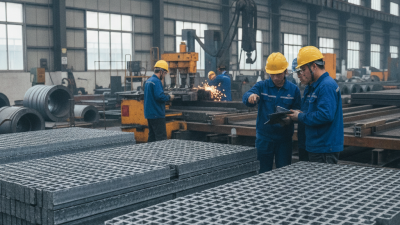
Mill-finish steel grating leaves the steel uncoated, so its surface may show ordinary mill scale and variation. Welded panels join bearing bars and cross bars at each intersection, creating a dependable choice for platforms and walkways. They are widely specified, but exposed steel needs a suitable corrosion-protection plan. Details matter.
Pressure-locked panels force cross bars into pre-punched bearing bars, producing a rigid, orderly grid. Swage-locked panels mechanically deform the cross bars into place; the finished intersections look relatively neat. Riveted panels use rivets to connect the bars and can suit applications involving repeated movement or impact. No type is perfect. The trade-off is easy to overlook: load capacity depends on bar dimensions, span, and support conditions, not just the joining method. NAAMM’s MBG 531 standard provides guidance and load tables for specifying metal bar grating.
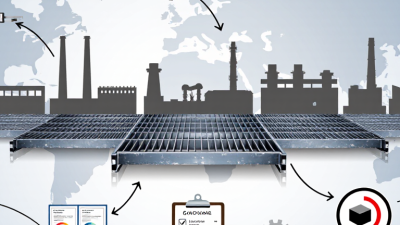
For industry context, the World Steel Association’s World Steel in Figures 2024 reports 1,892.2 million tonnes of crude steel production worldwide in 2023. That scale does not determine which grating panel performs best; project-level engineering does. Check the intended load, opening size, drainage needs, and surface finish against current specifications. A mill-finish panel may also need more frequent inspection in wet or corrosive settings.
Surface Options: Plain and Serrated Bars for Different Traction Needs
In 2026, mill finish steel grating remains a practical choice where strength and drainage matter. Its bearing bars can have plain or serrated top surfaces, and that small difference changes how the floor feels underfoot. Plain bars offer a relatively smooth walking surface. They suit dry platforms, equipment rooms, and areas where carts or wheeled loads need to move steadily. Water and loose debris can pass through the open grid, but the bars themselves provide less bite when wet. A smooth surface is not always the easy option.
Serrated bars have small notches along their upper edges. Those edges can improve traction on damp walkways, outdoor stairs, and work areas exposed to occasional spills. They may also feel rougher under thin-soled footwear, so comfort deserves a check. Serration helps; it does not prevent every slip. Consider the likely contaminants, footwear, slope, and cleaning routine before selecting a surface. A grating sample can reveal details a drawing misses. Even then, the best choice is not always obvious: a highly textured bar may offer useful grip but collect stubborn residue in some settings.
NAAMM MBG 531 Load Tables: Select by Span, Bar Size, and Deflection
What Are the Top Mill Finish Steel Grating Types in 2026?
NAAMM MBG 531 Load Tables: Select by Span, Bar Size, and Deflection
NAAMM MBG 531 load tables help compare grating options using span, bearing-bar size, and expected deflection. Start with the clear distance between supports, not the overall panel length. A longer span can change the required bar size, even when the walking surface looks similar. Check the table’s stated loading condition and units before comparing values. Small detail. Big difference.
For a practical selection, identify the design load, support spacing, and acceptable deflection first. Then use the relevant table to find a bar size that meets those conditions. For example, a platform crossing a six-foot opening may need a different configuration than a short stair tread. Do not assume a thicker bar alone resolves every concern; spacing and load distribution matter too. Mill finish describes the grating’s untreated surface, not its structural capacity. Tables also rely on defined assumptions, so unusual support details or concentrated loads may need engineering review. The awkward part is that a table can narrow choices, but it cannot replace checking the actual installation. Verify dimensions and connections against the project drawings before ordering.