Choosing Composite Steel Grating is not just a matter of comparing panel prices. The right specification depends on how people, equipment, and weather will interact with the floor. A walkway above a wet process area has different demands from a loading platform carrying wheeled carts. Small details matter.
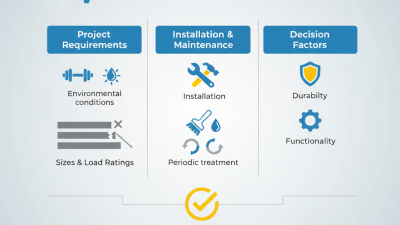
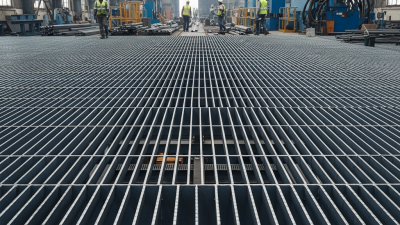
Start with the design loads and the clear span between supports. Confirm whether the panels must carry concentrated wheel loads, frequent foot traffic, or occasional maintenance equipment. Grating depth, bearing-bar spacing, and panel orientation can affect stiffness and deflection. Do not rely on a product name alone; request load tables for the actual span and installation conditions.
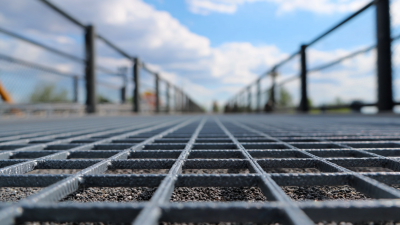
The surrounding environment deserves equal attention. Moisture, chemicals, temperature changes, and abrasive debris may influence material selection and protective coatings. Consider the surface profile too. A more open pattern can help drainage and reduce debris buildup, while a tighter layout may suit smaller objects or specific access needs. There is no universal best option.
Check how panels will be cut, supported, secured, and replaced. Ask suppliers for dimensional tolerances, fabrication details, and guidance on clips or fasteners. Verify that openings, edges, and transitions work with adjacent equipment and walking surfaces. These checks are easy to overlook. They can matter later.
Reliable selection takes a little back-and-forth. Compare documented performance with the site conditions, and involve the engineer or project professional responsible for the structure. Some assumptions may change after a site review. That is normal. A careful specification helps balance load capacity, corrosion resistance, safety, installation effort, and long-term maintenance without treating any one factor as the whole answer.
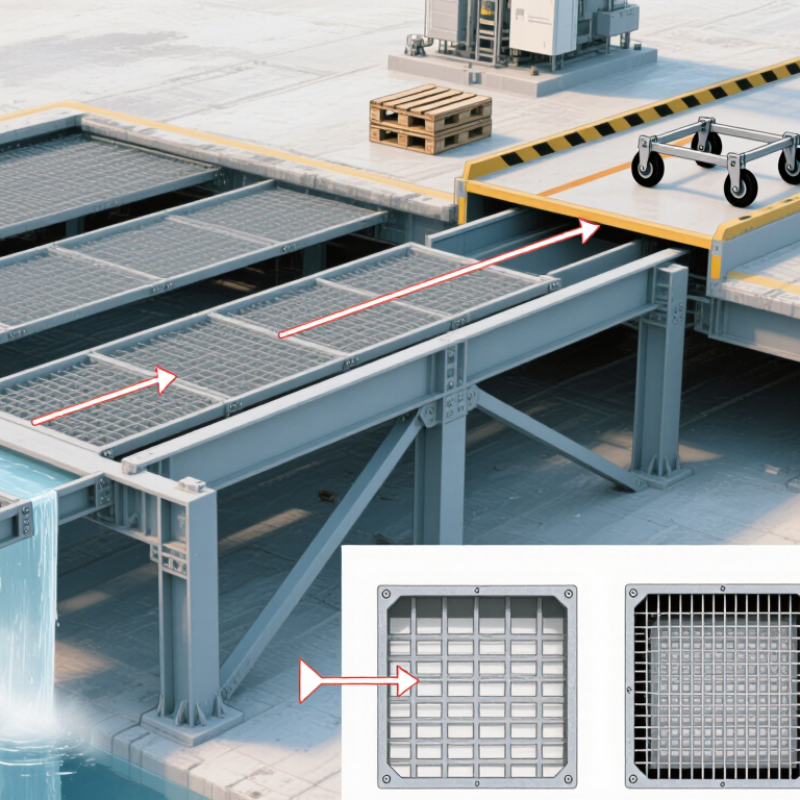
Composite steel grating is an assembly, not a single material. The term can describe steel bearing bars combined with a secondary surface, such as a plate or molded panel. Labels vary. Check the drawings.
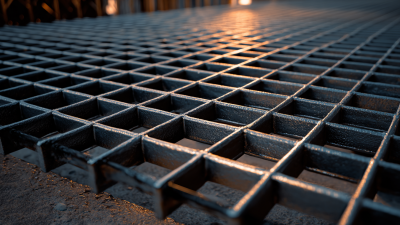
Bearing bars span between supports and carry the main load. Crossbars connect them and maintain spacing. The added surface may improve containment, footing, or access, but its weight and attachment affect the whole panel. Specify bar depth, spacing, clear span, support details, and design loads. For example, a grated walkway beside washdown equipment may need a different surface and corrosion protection than a dry indoor platform. NACE International’s 2016 IMPACT study estimated global corrosion costs at US$2.5 trillion, or 3.4% of global GDP. That figure is not specific to grating, but it highlights why exposure and coating choices deserve attention. Galvanizing or another specified protection system can help, yet cut edges and damaged areas still need inspection. A common weak point is the interface between the steel grid and secondary layer. Ask how it is attached, drained, and maintained. Verify the finished assembly’s load rating, not just the steel bars.
| Component or Design Factor | Typical Details | Purpose | How to Choose |
|---|---|---|---|
| Bearing bars | Load-carrying bars commonly use rectangular steel sections; bar depth and thickness vary by required load and span. | Carry most of the applied load and transfer it to the supporting structure. | Select bar size using the clear span, load type, deflection limit, and published load tables or a structural calculation. Do not size by appearance alone. |
| Bearing-bar spacing | Common layouts use bearing bars on approximately 30 mm or 40 mm centers, though other spacings are available. | Affects load distribution, open area, and the size of openings in the grating. | Consider the intended traffic, required drainage or ventilation, and applicable opening-size and accessibility requirements. |
| Cross bars | Bars or twisted square rods are welded or mechanically locked across the bearing bars; spacing varies by grating design. | Hold bearing bars in position and help maintain panel rigidity. | Confirm the grating construction and cross-bar spacing against the required service conditions and the applicable product standard. |
| Top plate | A solid steel plate is attached to the grating to create a composite panel. Plate thickness is project-specific; roughly 3–6 mm is a common starting range for some applications, not a universal specification. | Provides a more continuous walking or working surface and can reduce the passage of small objects through the panel. | Choose thickness based on concentrated loads, impact, corrosion allowance, and the support arrangement. A plate can affect panel weight and structural behavior. |
| Plate surface and drainage | The plate may be plain or patterned; openings, perforations, or drainage details depend on the design. | Influences slip resistance, cleanability, liquid drainage, and debris retention. | Match the surface to footwear, moisture, oils, and cleaning needs. A solid plate may retain liquids unless drainage is deliberately provided. |
| Panel edge banding | A flat bar or formed edge is commonly attached around exposed panel edges; details vary with the panel and plate arrangement. | Finishes exposed edges and can help secure the bearing-bar ends. | Specify edge treatment where panels meet, at cut-outs, and around openings. Confirm that it does not obstruct drainage or installation clearances. |
| Steel grade and corrosion protection | Panels may use carbon steel, stainless steel, or other specified alloys. Carbon-steel panels are often hot-dip galvanized; coating requirements depend on exposure and project specifications. | Determines strength, corrosion resistance, maintenance needs, and service life. | Assess indoor or outdoor exposure, chemicals, salt, temperature, and maintenance access. Specify compatible materials and a coating system suited to the environment. |
| Panel span and support | Panels are supported by structural members; the bearing bars should normally run in the direction of the span between supports. | Defines how loads are transferred from the panel to the supporting frame. | Confirm support locations, bearing length, panel orientation, and connection details before ordering. Longer spans generally require a stronger grating design. |
| Design loads and deflection | Design may need to account for uniform loads, concentrated loads, moving loads, impact, and serviceability limits. | Ensures the panel is suitable for people, equipment, and operating conditions. | Provide the design load, load position, span, and allowable deflection to the project engineer. Capacity depends on the complete panel and support system. |
| Panel dimensions and cut-outs | Panel length, width, notches, penetrations, and edge clearances are made to suit the installation layout. | Affects fit, handling, support, and the structural capacity around openings. | Provide verified site measurements and drawings. Review large cut-outs and interrupted bearing bars with a qualified designer. |
| Connections and fasteners | Panels may be secured with clips, bolts, or welded connections, selected for the supporting structure and service conditions. | Resists panel movement and supports safe installation and maintenance. | Specify connection type, quantity, access for installation, and corrosion compatibility. Follow the project engineer’s details and applicable safety requirements. |
| Selection note: Typical dimensions and configurations are indicative only. Final panel capacity and suitability must be verified for the actual loads, span, supports, environment, and applicable building or safety codes. | |||