10 Best Hot Dipped Steel Grating Suppliers?

Choosing the right Hot Dipped Steel Grating supplier requires more than comparing prices. It requires evidence. The World Steel Association reported approximately 1.89 billion tonnes of crude steel production in 2023, showing the scale of the material ecosystem behind industrial platforms, walkways, stairs, and drainage covers. However, steel volume alone does not guarantee reliable grating performance.

Industry reports from Grand View Research and MarketsandMarkets consistently identify infrastructure, manufacturing, energy, and construction as major demand sectors for metal grating products. The American Galvanizers Association also explains that hot-dip galvanizing creates a metallurgical bond between zinc and steel. Gregory P. Mankowski, a technical expert associated with the Association, states, “Hot-dip galvanizing is a metallurgical reaction between steel and molten zinc.” That detail matters. The zinc coating must survive cutting, handling, moisture, chemicals, and daily foot traffic.

Small differences matter.

A serious supplier should provide steel grades, load tables, panel dimensions, bearing-bar sizes, zinc-coating information, inspection procedures, and applicable standards. EN ISO 1461 and ASTM A123 are commonly referenced for galvanized steelwork, but buyers should confirm which standard governs each project. Site conditions also deserve attention. Coastal salt spray, fertilizer dust, standing water, and forklift traffic can expose weaknesses quickly.

Supplier claims are not enough. Ask for traceable test documents and recent project evidence. Even then, selection is rarely perfect. A low-cost panel may appear practical, yet its tolerances or drainage design could create maintenance problems later. This guide compares ten suppliers through product quality, manufacturing capability, certification, lead time, customization, and after-sales support. The goal is practical judgment, not a polished ranking without questions.
10 Best Hot Dipped Steel Grating Suppliers?

What Is Hot-Dipped Steel Grating?

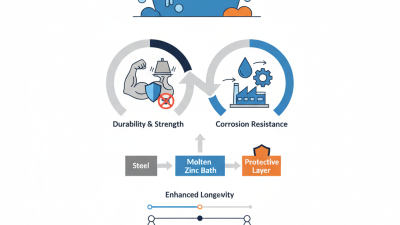
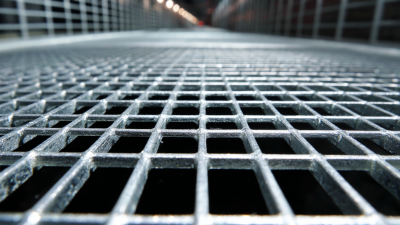
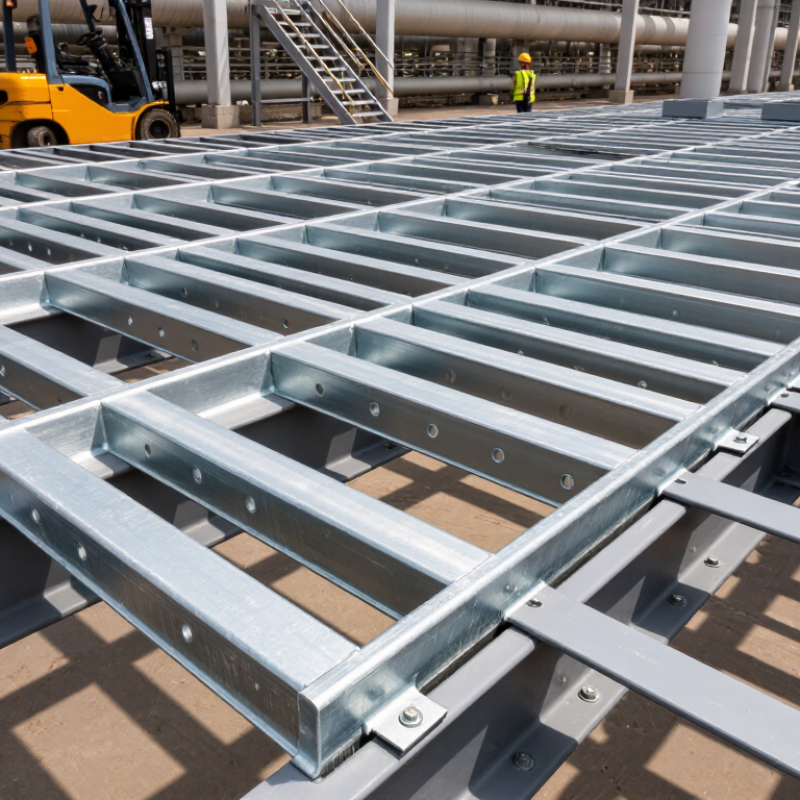
Hot-dipped steel grating is a grid-like flooring system made from load-bearing steel bars and smaller cross bars. The completed panel is immersed in molten zinc, creating a metallurgically bonded protective coating. This process helps shield the steel from moisture, oxygen, and many industrial contaminants. It is commonly used for walkways, platforms, stair treads, drainage covers, and service areas.

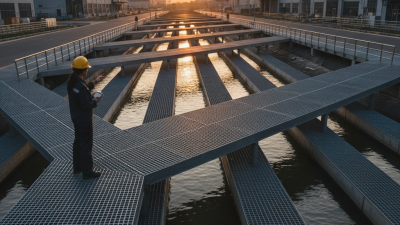
The open design allows water, dust, and spilled materials to pass through instead of collecting on the surface. Serrated bearing bars can improve traction, especially around wet equipment or outdoor platforms. However, hot-dipped steel grating is not a universal solution. Panel span, bar size, spacing, and expected load must match the project conditions. Engineering checks should also consider foot traffic, rolling equipment, temperature, and support details. Standards such as ASTM A123 or ISO 1461 may help verify galvanizing quality, but specifications should be reviewed carefully.

Tips: Inspect the zinc coating for bare spots, heavy runs, or damaged edges. Measure the opening and support distance before ordering. A closer bar spacing may feel safer, but it can reduce drainage performance and increase material weight. Small details matter. In practice, installation errors are often more troublesome than the grating itself. Repair damaged areas with an approved zinc-rich coating, following the relevant project standard.
How to Evaluate Hot-Dipped Steel Grating Suppliers

Evaluating hot-dipped steel grating suppliers requires more than comparing quotations. A low price can hide thinner bearing bars, weak welding, or incomplete zinc coverage. Ask for mill certificates, steel grades, loading tables, and recent inspection records. Reliable suppliers explain how panel dimensions, span, traffic, and drainage needs affect the specification. They should not guess.

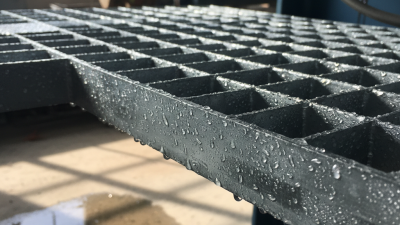
Request samples or photographs showing the finished surface, cut edges, welds, and identification marks. Look for an even coating, clean drainage openings, and consistent spacing. Ask how they control bath temperature, dipping time, vent holes, and post-galvanizing distortion. These details reveal process knowledge. Also check whether drawings receive a technical review before production. A careful supplier confirms tolerances in writing, not only during a sales call.

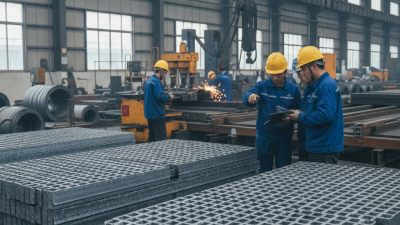
Experience becomes clearer through site references, packaging quality, and delivery records. Ask how panels are bundled, protected from impact, and labeled for installation. Verify production capacity, testing equipment, corrective-action procedures, and communication after an error. Independent coating tests can strengthen confidence, especially for corrosive or coastal environments. I would still avoid relying on polished brochures alone. One overlooked dimension can delay an entire walkway. A capable supplier may still miss a detail. Require approval samples, documented revisions, and a realistic inspection plan before placing a substantial order.

Ten Leading Suppliers and Their Product Strengths

Ten leading hot-dipped steel grating suppliers often compete through distinct product strengths.

  1. Supplier One focuses on heavy-load platforms for factories and warehouses.
  2. Supplier Two specializes in serrated surfaces that improve traction in wet areas.
  3. Supplier Three offers close-spaced grating for safer pedestrian access.
  4. Supplier Four provides customized panels with accurate cutouts for pipes and machinery.
  5. Supplier Five is known for thick zinc coatings and longer outdoor service life.
  6. Supplier Six supports fast production for standard walkway sizes.
  7. Supplier Seven develops stair treads with reinforced nosings and secure fixing holes.
  8. Supplier Eight supplies lightweight grating for maintenance platforms and rooftop access.
  9. Supplier Nine emphasizes traceable steel, coating records, and dimensional inspection.
  10. Supplier Ten handles complex projects requiring drawings, testing, and export packaging.

Tips: Check load tables, bearing-bar dimensions, surface treatment, and drainage needs before ordering. Ask for coating measurements and sample certificates. A low price may hide thinner bars or weaker finishing.

Practical experience shows that supplier strength must match the working environment. A coastal walkway needs stronger corrosion protection than an indoor service aisle. Heavy forklifts also demand different spacing and support than foot traffic. Confirm measurements twice. Small errors can create costly site modifications. I have found that clear drawings prevent more problems than impressive catalog claims. Still, supplier comparisons are not perfect, because delivery reliability and after-sales communication can change from one project to another. Inspecting the first shipment remains wise.

Comparing Materials, Standards, Prices, and Lead Times

Choosing among ten hot-dipped steel grating suppliers requires more than comparing catalogue prices. Confirm the steel grade, bearing-bar size, cross-rod spacing, and surface finish. Carbon steel suits many platforms, while stainless steel serves corrosive or hygienic areas. Galvanizing thickness matters. Ask for coating test records, mill certificates, and dimensional inspection reports. Reliable suppliers should explain whether fabrication occurs before galvanizing. Drilled holes and cut edges can affect protection. Standards must be stated clearly. Check the applicable grating load standard and galvanizing standard for your project location. Request the current edition. Small details matter.

Price comparisons should include freight, packing, cutting, kick plates, drawings, and inspection costs. A cheap quotation may exclude important fabrication work. Lead times also vary between stocked panels and custom orders. Drawing approval, production volume, galvanizing-bath capacity, and delivery distance can change the schedule. Ask for milestone dates, not only one promised shipment date. A quote is not a schedule. No comparison is perfect, especially when suppliers describe tolerances differently. Review the technical wording carefully before judging the lowest offer.

Tips: Request one sample panel or a detailed drawing before ordering. Compare load tables using identical spans and support conditions. Ask how damaged coatings will be repaired after cutting. Confirm packaging for wet or coastal transport. Keep written records of revisions, because small changes can affect both price and lead time.

How to Choose the Right Supplier for Your Project

10 Best Hot Dipped Steel Grating Suppliers?

How to Choose the Right Supplier for Your Project

Choosing a hot dipped steel grating supplier requires more than comparing prices. Check whether the supplier understands load ratings, span limits, bearing bars, and surface conditions. A reliable supplier should provide stamped drawings, material certificates, galvanizing records, and clear dimensional tolerances. Ask for recent project examples with similar traffic, moisture, and chemical exposure. Real experience matters.

Review the galvanizing process carefully. ISO 1461:2022 sets minimum coating requirements for fabricated steel, including an average thickness of 85 microns for steel over 6 millimeters. The supplier should explain pretreatment, zinc-bath control, drainage, venting, and post-treatment. Request inspection records, not promises.

World Steel Association data reported approximately 1.89 billion tonnes of crude steel production in 2023, showing the scale of the supply chain. Scale alone does not prove quality.

Compare delivery reliability, packaging, replacement policies, and technical support. Ask how panels are protected from distortion during lifting and transport. Confirm whether cut edges receive suitable repair treatment. Small details matter. A low quotation may exclude clips, banding, freight, or testing. I have seen projects lose time because buyers checked only unit prices. That mistake is easy to repeat. A stronger evaluation uses at least three comparable quotations and verifies each supplier’s test documents independently. Shortlist suppliers that communicate clearly when drawings conflict or specifications remain incomplete. That honesty can prevent expensive fabrication errors.

WhatsApp Online Chat !