Why Choose Bar Steel Grating for Your Industrial Needs?
In the realm of industrial flooring solutions, "Bar Steel Grating" stands out for its unique advantages. John Stevens, a leading expert in structural materials, states, "Bar steel grating offers unmatched strength and durability for demanding environments." This sentiment resonates deeply among engineers and facility managers who seek reliable flooring options.
Bar steel grating is engineered for tough applications. Its open design allows for excellent drainage and ventilation, reducing hazards in high-traffic areas. Moreover, it provides a robust surface for heavy machinery and foot traffic. When choosing materials for industrial spaces, practicality is key. However, some may overlook the crucial aspects of safety and longevity.
The choice of Bar Steel Grating is not without considerations. While it excels in strength, maintenance needs can vary. Depending on the environment, corrosion resistance may become a factor. Evaluating these trade-offs is essential for making informed decisions. The combination of performance and careful selection makes "Bar Steel Grating" an invaluable asset for industrial needs.
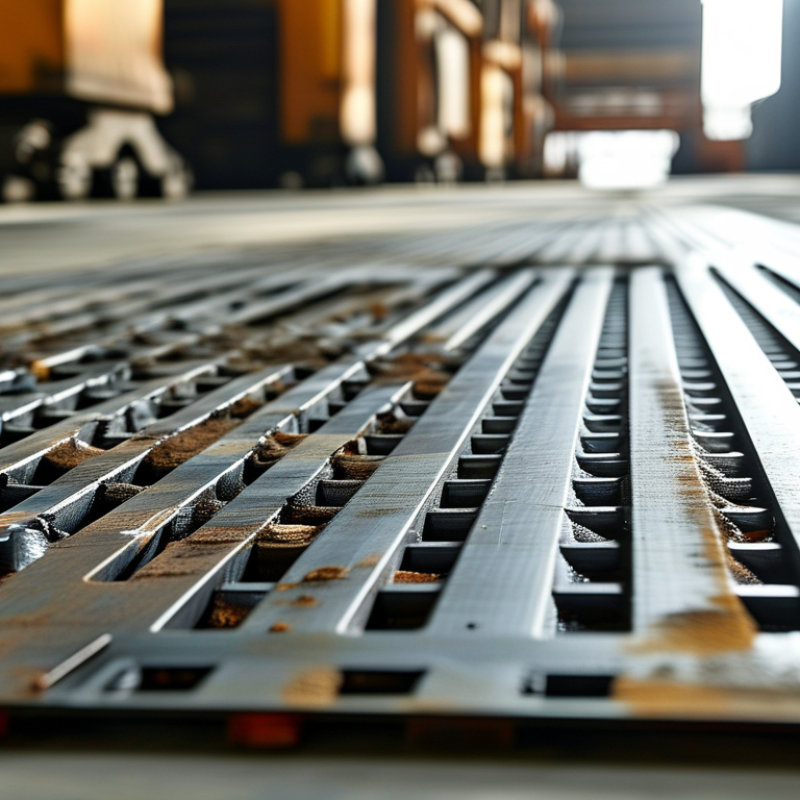
Benefits of Bar Steel Grating in Industrial Applications
Bar steel grating is an essential component in many industrial settings. Its design promotes strength and durability while allowing for efficient drainage and ventilation. This feature makes bar steel grating ideal for areas exposed to heavy foot traffic or machinery. With a range of load-bearing capacities, the right choice can support heavy equipment without bending or breaking.
For optimal performance, consider the spacing of the bars. Wider spaces can improve drainage but may compromise safety under certain conditions. It’s vital to assess the specific requirements of your facility.
Tips: Always evaluate the environmental conditions. Corrosive elements can wear down materials faster. Choose bar steel grating with proper coatings for added lifespan. Regular inspections help catch wear and tear before it becomes a larger concern.
Bar steel grating also supports workplace safety. Its slip-resistant surface reduces accidents in wet or oily conditions. Furthermore, it can withstand extreme temperatures. However, proper installation is crucial. Misalignment can lead to structural weaknesses. Ensure your team is trained in installation techniques for safety and longevity.
Types of Bar Steel Grating and Their Uses
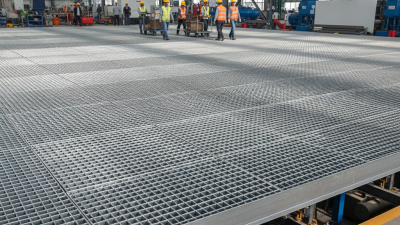
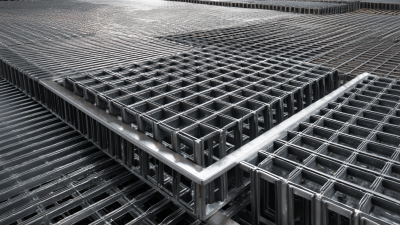
Bar steel grating is essential in various industrial applications. Different types offer unique benefits tailored to specific needs. The two primary forms are welded and riveted grating. Welded grating features a solid construction, making it ideal for heavy loads. Its robustness is perfect for pedestrian walkways and industrial platforms. This type is often used in factories and warehouses.
Riveted grating provides a lightweight alternative. It's ideally suited for environments where weight is a concern. This type is often found in drainage ditches and drainage covers, allowing for efficient water flow. The ease of installation enhances its appeal. However, it may not support extremely heavy loads as effectively as welded options.
Consider your project requirements carefully. Each type has strengths and limitations. Assess the environment and load-bearing needs. Choosing the appropriate bar steel grating ensures safety and efficiency in your operations. Always strive for a balance between strength and practicality.
Factors to Consider When Choosing Bar Steel Grating
When selecting bar steel grating for industrial purposes, several key factors must be evaluated. The load-bearing capacity is essential; it determines how much weight the grating can support. Ensure the grating type matches the operational environment. Consider traction and safety. Gratings with sufficient slip resistance are vital in preventing workforce accidents.
**Tips:** Look for grating with crossbars designed to prevent slips. Each setting demands a unique configuration. Pay attention to the spacing, as it impacts both safety and functionality.
Durability is another significant factor. Steel grating should withstand both environmental factors and heavy foot traffic. Corrosion resistance may be necessary in wet environments. Opt for materials that require minimal maintenance. This can save costs in the long run.
**Tips:** Evaluate the maintenance requirements before purchasing. This could affect long-term performance. Reflect on how different coatings can impact the longevity of the grating. Consider how often the environment may lead to damage or wear.
Why Choose Bar Steel Grating for Your Industrial Needs?
Bar steel grating is a popular choice in industrial applications due to its strength, durability, and versatility. The following chart illustrates the key factors considered by industries when choosing bar steel grating.
Installation and Maintenance of Bar Steel Grating
Bar steel grating offers excellent strength and durability. When it comes to installation, following best practices is crucial. First, ensure you have the right tools. Common tools include a drill and a measuring tape. Precise measurements prevent misalignments during fitting. Proper alignment ensures safety and stability.
Maintenance of bar steel grating is essential to prolong its lifespan. Regular inspections help identify wear and tear. Look for signs of corrosion or damage. Clean the surface to prevent buildup of debris. A clean surface minimizes safety hazards. Remember, neglecting maintenance can lead to costly repairs later. It's beneficial to create a regular schedule. Frequent checkups can save time and resources.
Choosing bar steel grating is practical, but it requires diligence. Being proactive in installation and maintenance shows responsibility. Learning from previous oversights can enhance future practices. Each step taken reinforces safety and reliability in your industrial setting.
Cost-Effectiveness of Bar Steel Grating for Industries
Bar steel grating offers an attractive cost-effective solution for various industrial applications. According to a report by the World Steel Association, steel grating can save up to 30% in material costs compared to traditional flooring options. This cost efficiency stems from its lightweight design, which reduces transportation expenses and installation labor. Industries can thus allocate budget to other critical areas, such as safety enhancements or advanced machinery.
Furthermore, maintenance costs associated with bar steel grating are significantly lower. The National Association of Steel Grating Manufacturers indicates that steel grating requires minimal upkeep due to its durability and resistance to corrosion. This translates into savings over time. However, it is essential for industries to evaluate their specific needs. While bar steel grating is solid, it might not provide the necessary slip resistance in all environments. Some workplaces may require additional safety measures.
Investing in bar steel grating offers long-term advantages, yet careful consideration of each situation is vital. Industries must analyze their unique operational demands. Flexibility and adaptability are key. With an informed approach, businesses can truly maximize the benefits of this cost-effective structural solution.
Why Choose Bar Steel Grating for Your Industrial Needs? - Cost-Effectiveness of Bar Steel Grating for Industries
| Dimension (inches) |
Weight (lbs/ft2) |
Cost per Square Foot ($) |
Load Capacity (lbs/ft2) |
Applications |
| 1 x 3 |
1.2 |
15.00 |
500 |
Walkways, Platforms |
| 2 x 4 |
1.5 |
25.00 |
1000 |
Staircases, Ramps |
| 3 x 3 |
1.8 |
30.00 |
1500 |
Industrial Floors, Mezzanines |
| 4 x 4 |
2.0 |
40.00 |
2000 |
Heavy Duty Areas, Factories |