China Best Black Plain Grating Supplier and Price?

Black Plain Grating can suit walkways, platforms, drainage covers, and equipment areas where a strong, open surface is needed. The phrase usually describes flat-bar steel grating with a black finish, but suppliers may use it differently. Confirm the material, bar spacing, bearing-bar depth, panel size, and finish before comparing offers. Details matter. A low unit price may exclude cutting, edge banding, packing, or delivery. Ask for a written quotation listing these items, along with production time and available inspection documents. Check whether the quoted dimensions include any requested trimming or fabrication.

Finding a dependable supplier in China means checking more than a product page. Request recent project photos, dimensional drawings, material specifications, and sample reports when the application requires them. For a platform carrying regular foot traffic, verify the load rating and support span with a qualified engineer; visual similarity is not proof of capacity. Also ask whether “black” means a mill surface, paint, or another protective treatment. That distinction affects appearance and maintenance, especially outdoors. Not always obvious. Compare prices using the same specifications and shipping basis, then clarify payment terms, packaging, and procedures for damaged panels. Ask about dimensional tolerances, too, since small differences can affect installation. A supplier’s prompt, specific answers are useful evidence, though not a guarantee. The best choice balances documented quality, clear communication, and total delivered cost. Drawings and samples reduce uncertainty, but they cannot answer every question about performance in your actual operating conditions.
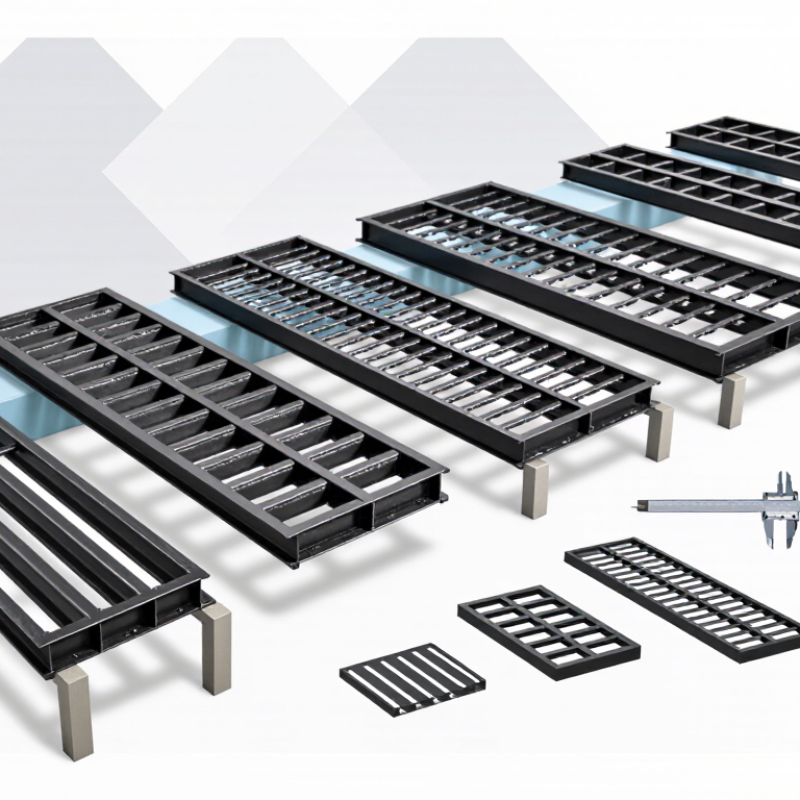
China Best Black Plain Grating Supplier and Price?

What Black Plain Grating Is and How It Is Used

What Black Plain Grating Is and How It Is Used

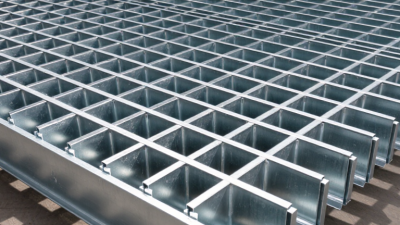
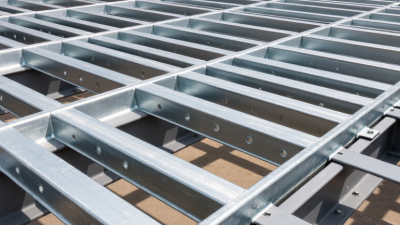
Black plain grating is a welded or pressure-locked steel panel with load-bearing bars and connecting cross bars. Its flat, non-serrated surface gives it a simple, regular appearance. “Black” usually means uncoated carbon steel, but product descriptions vary, so confirm the finish before ordering.

It is practical. Common uses include factory walkways, equipment platforms, drainage covers, and stair treads. The open spaces let water and debris pass through, while the bars support foot traffic and equipment.

Actual capacity depends on bar depth, spacing, panel span, and support conditions—not color alone.

For planning, check the supplier’s load table against the intended span and load, then confirm panel dimensions and edge details. Black steel can rust when exposed to moisture.

The NACE IMPACT study estimated corrosion costs at US$2.5 trillion annually, or about 3.4% of global GDP. That broad estimate covers many industries, but it underscores why coating and inspection choices matter. Not always an easy call: paint may need renewal, while a protective coating can change cost and appearance.

Tips: Measure the support spacing on site, not only from drawings. Ask for material and load documentation, and inspect cut edges after installation. If the grating will stay outdoors, plan a maintenance schedule before rust appears.
Key Materials, Surface Treatments, and Product Specifications

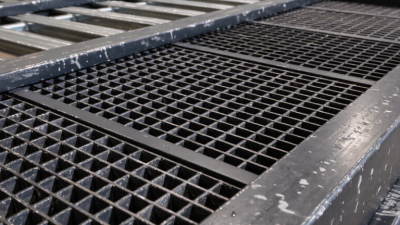
Black plain grating is commonly made from carbon steel with an untreated, dark mill finish. Confirm what “black” means in the supplier’s specification: it may describe the steel’s appearance, not a protective coating. Check bearing-bar depth and thickness, bar spacing, cross-bar spacing, panel dimensions, and load requirements. Small changes affect weight, fit, and price. Details matter.

For exposed or damp locations, compare the untreated finish with hot-dip galvanizing. ISO 1461 specifies requirements for zinc coatings on fabricated iron and steel products; ASTM A123/A123M covers zinc coatings on iron and steel products. The right coating depends on exposure and maintenance plans, not appearance alone. NACE International’s 2016 IMPACT study estimated global corrosion costs at US$2.5 trillion, or 3.4% of global GDP. That figure is broad, but it shows why surface protection deserves attention. A common specification gap is the cut edge: ask whether cutting or welding after coating is permitted and how affected areas will be treated. Not always obvious. Request material, finish, tolerances, and test documentation with the quotation; otherwise, two “plain grating” prices may describe different products.

China Best Black Plain Grating Supplier and Price? - Key Materials, Surface Treatments, and Product Specifications

Product Detail Typical Specification or Range Purchasing Notes
Product type Welded steel bar grating, plain surface, black (uncoated) “Black” commonly describes untreated carbon steel with its mill-scale surface. It is not stainless steel and is not inherently corrosion-resistant.
Common material Carbon steel, often supplied to a specified grade such as Q235B; higher-strength grades may be available for project requirements Confirm the required steel grade, applicable material standard, and mill test documentation in the purchase specification. Grades should not be assumed interchangeable.
Bearing bar sizes Common examples include 25 × 3 mm, 30 × 3 mm, 32 × 5 mm, and 40 × 5 mm The first dimension is bar depth and the second is bar thickness. Selection depends on clear span, loading, support conditions, and deflection limits.
Bearing bar spacing Common center-to-center pitches include 30 mm and 40 mm Closer spacing generally reduces the clear opening. Confirm the required opening size and intended use, including any foot or wheel traffic requirements.
Cross-bar spacing Common center-to-center pitches include 50 mm and 100 mm Actual patterns vary by design and production method. Specify the pitch on the drawing or purchase order.
Panel dimensions Made-to-order panels; dimensions depend on the project. Panels around 1 m wide and several metres long are commonly requested. Confirm overall length and width, bearing-bar direction, cut-outs, edge treatment, and installation clearances before production.
Surface treatment Black plain: no protective coating. Optional alternatives include shop-applied paint or hot-dip galvanizing. Paint and galvanizing change the product finish and price. For outdoor or corrosive environments, specify a suitable protection system rather than relying on the black mill finish.
Edge and fixing options Plain cut edges or banded edges; clips or other fixing hardware may be specified State whether perimeter banding, fastening clips, lifting provisions, or special fabrication is required. These can affect cost and lead time.
Load capacity No universal load rating; it must be calculated for the specified grating and installation Provide the clear span, support layout, load type and magnitude, and allowable deflection. Obtain a project-specific load table or calculation before ordering.
Reference standard Specify the governing project standard and acceptance requirements; Chinese projects may reference the applicable YB/T steel-grating standard. Confirm the exact edition, fabrication tolerances, welding requirements, inspection criteria, and documentation required for the destination market.
Indicative price: lighter common specification Approximately USD 25–45 per m² for a typical 25 × 3 mm bearing-bar configuration Budgetary indication only, not a current supplier quotation. Actual pricing depends on steel costs, panel size, quantity, fabrication, packing, and delivery terms.
Indicative price: medium specification Approximately USD 30–60 per m² for a typical 30 × 3 mm configuration Price comparisons should use the same bar size, pitches, material grade, dimensions, edge treatment, order quantity, and Incoterm.
Indicative price: heavier specification Approximately USD 55–100 per m² for a typical 40 × 5 mm configuration Heavier sections use more steel, but the final price also depends on panel layout, fabrication details, and the requested surface treatment.
Information needed for a firm quotation Material grade; bearing-bar size and pitch; cross-bar pitch; panel dimensions; quantity; edge and fixing details; finish; delivery destination and Incoterm Include drawings and design loads where available. Request confirmation of packaging, production lead time, inspection documents, and whether freight and taxes are included.

Price note: The figures above are broad, illustrative budget estimates for black plain carbon-steel grating, not live market quotes or guaranteed offers. Verify current pricing, specifications, and load suitability with a qualified supplier before purchase.

How Chinese Manufacturers Produce and Supply Plain Grating

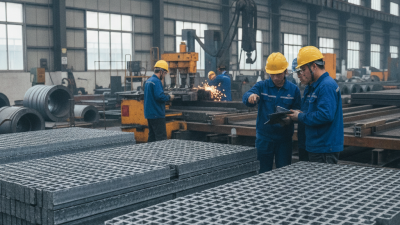
Plain grating production starts with checking steel grade, flat-bar thickness, and straightness. Workers cut bearing bars to the specified span, then arrange cross bars at consistent spacing. Resistance welding joins the intersections into a rigid panel. Black plain grating is generally supplied without a protective coating, so surface rust can develop during storage. China produced 1,019.1 million tonnes of crude steel in 2023, according to World Steel Association’s World Steel in Figures 2024. This shows the scale of its steel supply, not grating output. Buyers should request material certificates and confirm the actual bar dimensions.

Tips: Ask for a drawing with load direction, panel size, and bearing-bar spacing. Check cut edges and weld points on a sample. Small gaps can matter.

After fabrication, panels are trimmed, inspected, bundled, and prepared for shipment. Suppliers may offer standard panels or cut-to-size orders; lead time depends on steel availability, production schedules, and packing requirements. A quotation should separate material, fabrication, surface treatment, and freight costs. Compare the same specifications, not just the price per square metre. For black steel, specify dry, covered storage and a suitable corrosion-protection plan if the grating will be exposed outdoors. One practical weakness: packing can be overlooked, and damaged edges are costly to fix after delivery.

What Influences Black Plain Grating Prices in China

China Best Black Plain Grating Supplier and Price?
What Influences Black Plain Grating Prices in China

Price starts with steel, not the panel label. Black plain grating commonly uses welded carbon-steel bearing bars and crossbars. Heavier bars and closer spacing require more steel and fabrication time. Ask suppliers to specify bar height, thickness, spacing, panel size, tolerances, and quoted weight. Small omissions matter.

Market conditions also affect quotes. The World Steel Association reported global crude steel output of 1,882.6 million tonnes in 2024, down 0.9% year on year. This scale shows why shifts in steel supply can influence input costs, though it does not determine grating prices. China’s customs data recorded 110.7 million tonnes of steel exports in 2024, adding context to market competition. Fabrication yield, labor, energy, batch size, packing, and freight also shape the delivered price. Quotes can age quickly. They are not always comparable.

Tips: Compare matching drawings and confirm steel grade, weld quality, cut-outs, edge finishing, and delivery terms in writing. Request a dated quote with material, fabrication, and freight shown separately. A low quote may leave out details; verify them. Even careful checks can miss something.

What Influences Black Plain Grating Prices in China?

Estimated bearing-bar steel mass per square metre for selected grating specifications

How to read this chart: The estimates use a 30 mm bearing-bar spacing and a steel density of 7,850 kg/m³. They include bearing bars only; cross bars, fabrication, surface treatment, packaging and delivery are excluded. Heavier specifications generally require more steel and can increase the material component of the price. Actual quotations also depend on steel market prices, panel dimensions, order quantity and transport.

How to Compare Suppliers and Choose the Right Grating Supplier

When comparing suppliers of black plain grating, request the same specification from each: bearing-bar depth and thickness, cross-bar spacing, panel size, steel grade, and tolerance. Ask for recent mill test certificates and a load table matching your span and intended use. A low quote is hard to judge without these details. Not always.

The World Steel Association’s World Steel in Figures 2024 reports global crude steel production of 1,892.2 million tonnes in 2023. That scale says little about an individual supplier’s consistency, so check traceability, inspection records, and sample-panel dimensions. For load comparisons, refer to the National Association of Architectural Metal Manufacturers’ MBG 531 bar-grating manual and confirm that quoted values use comparable conditions.

Compare landed cost, not just the price per square metre. Include packing, inland transport, export handling, and any cutting or edging charges. Ask whether “black” means untreated steel, since finish and storage conditions can affect surface rust before installation. A small sample can reveal uneven bars or rough welds, though one panel cannot prove batch consistency. I would also ask how rejected panels are handled; suppliers sometimes answer vaguely, and that deserves a second look.

WhatsApp Online Chat !