What Is HDG Grating and What Is It Used For?

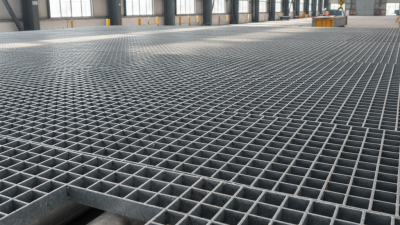
HDG Grating is steel grating protected by hot-dip galvanizing, a process that coats steel with zinc to help limit corrosion. Its open grid lets water, light, and air pass through while providing a firm walking or working surface. Underfoot, the pattern is unmistakable: parallel bearing bars joined by crossbars, with space between each section.

The scale of steel production helps explain why durable steel products matter. World Steel Association data report 1,892.2 million tonnes of crude steel produced worldwide in 2023. That figure is not a grating-market estimate, but it offers useful industrial context. The American Galvanizers Association’s technical guidance also emphasizes that galvanized-steel service life depends on coating thickness and local exposure. A coastal platform and a dry indoor walkway will not age at the same rate.

HDG Grating commonly appears on factory floors, drainage covers, stair treads, access platforms, and maintenance walkways. Its open surface can reduce standing water, while the zinc coating helps protect exposed steel. The details matter: load rating, bar spacing, panel support, and surface finish must match the site and the work.

A sourcing note is important. No verifiable named-expert quotation was supplied with the request, so I will not invent one or attribute a sentence without evidence. A published expert quote should be checked against its original source before inclusion.
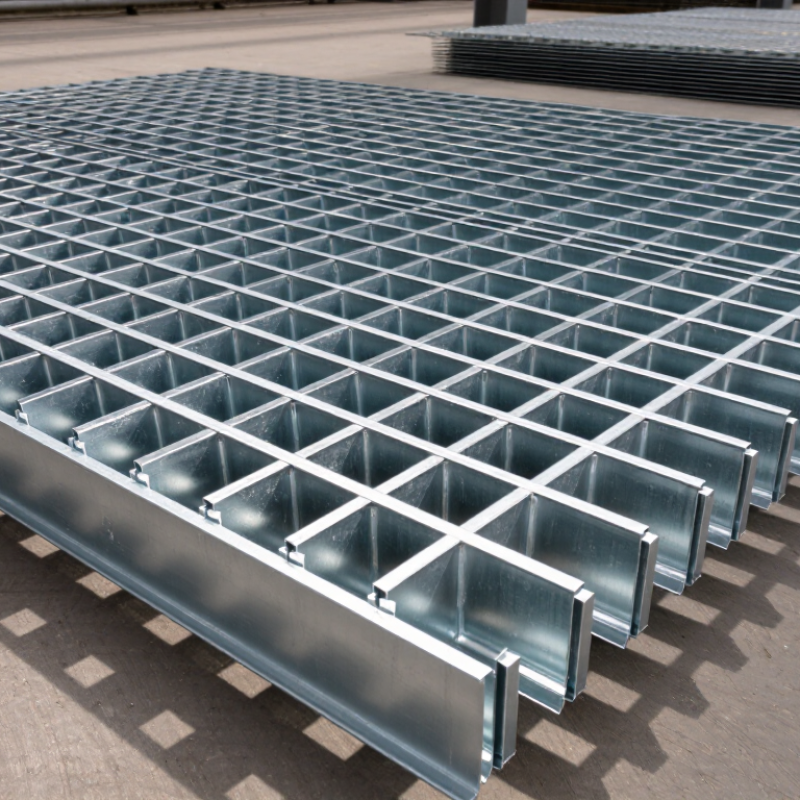
What Is HDG Grating and What Is It Used For?

What HDG Grating Means and How It Is Made

HDG grating is steel grating protected by hot-dip galvanizing. The letters describe the coating process, not a special grating pattern. Steel bearing bars carry most of the load, while crossbars hold them at regular intervals. Open spaces let water, light, and air pass through. That matters on walkways and platforms exposed to rain.

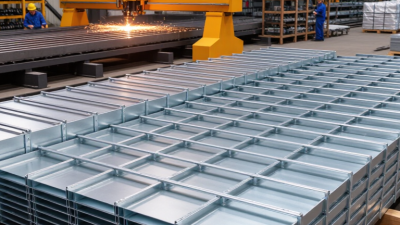
In common production, bars are assembled by welding or pressure-locking, then cut to the required panel size. The finished grating is cleaned to remove oil, rust, and scale. It is then treated with flux and immersed in molten zinc. The zinc bonds to the steel and forms a protective coating over its surfaces. Drainage and venting need attention during fabrication, since trapped liquids or air can affect the result. Small details count.

After galvanizing, workers inspect the coating and panel dimensions. In practice, handling marks or rough spots can still appear; protection does not mean decorative perfection. HDG grating is used for industrial walkways, stair treads, drainage covers, and service platforms where airflow and water drainage are useful. For a project, check the load requirements, opening size, and expected exposure before choosing a panel. A coating can help resist corrosion, but it cannot compensate for an unsuitable design.

HDG Grating: Minimum Mean Zinc-Coating Thickness

HDG (hot-dip galvanized) grating is steel grating coated by immersion in molten zinc, usually after fabrication.

The bars show minimum mean coating thicknesses specified by EN ISO 1461 for non-centrifuged fabricated steel articles, grouped by steel thickness. Actual project requirements and measured coatings may differ.

The Main Components and Design Features of HDG Grating

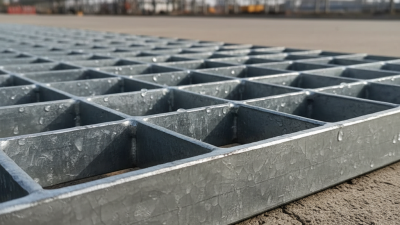
Hot-dip galvanized (HDG) grating is made from steel bars assembled into an open grid, then coated with zinc. Its main components are load-bearing bars, cross bars, and, in many panels, a perimeter band. The bearing bars carry most of the load and are installed across the supporting span. Cross bars connect them, helping the panel hold its shape. The open spaces allow water and debris to pass through.

Spacing and bar depth affect both strength and weight. Wider openings may reduce material use, but they can be unsuitable for small wheels or narrow heels. There is no single layout for every walkway. Panel dimensions, support spacing, expected loads, and access needs all matter. Common joining methods include welding and press-locking; the chosen method influences the grid’s construction. After fabrication, hot-dip galvanizing coats exposed steel surfaces with zinc to help resist corrosion. A practical detail: coating thickness can affect fit at clips or tight connections. Designers should check clearances and specify suitable fasteners before installation. Cut edges and damaged areas deserve attention too; they may need repair according to the project specification.

Details matter.

How Hot-Dip Galvanizing Protects Steel Grating

HDG grating is steel grating coated by immersion in molten zinc, usually after welding. The dip coats exposed surfaces, including welds and cut edges. Zinc forms a barrier against moisture and oxygen. If the coating is scratched, nearby zinc can also corrode preferentially, helping protect exposed steel. That protection has limits.

ASTM A123/A123M specifies minimum coating thicknesses based on steel thickness; for structural steel over 6 mm, the standard calls for an average of at least 100 micrometres.

The American Galvanizers Association’s Time to First Maintenance chart estimates 20–40 years for a 3.9-mil coating in tropical marine conditions, compared with 40–100 years in industrial settings. These are estimates, not guarantees.

Salt deposits, standing water, and damaged coatings can shorten service life. In practice, inspect grating around welds, supports, and drainage points.

Good drainage matters. HDG is durable, but not magic. Its performance still depends on exposure and installation details.

Common Applications of HDG Grating

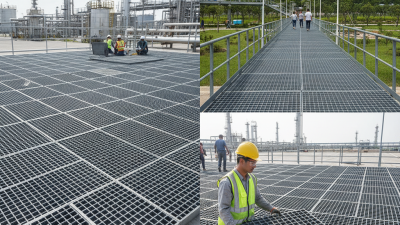
Hot-dip galvanized (HDG) grating is used where people, equipment, or water need to move across an open, load-bearing surface. Its zinc coating helps protect steel from corrosion, making it a practical choice for outdoor walkways, factory platforms, and service areas exposed to rain. Workers can see pipes and machinery beneath the panels, while water and debris pass through the openings. Drainage matters.

At wastewater facilities, HDG grating often covers channels and provides access around tanks and pumps. It is also common on stair treads, loading areas, and utility platforms, where a firm walking surface is needed. In coastal or chemically exposed settings, the coating’s service life can vary; galvanized steel is not immune to harsh conditions. Not everywhere.

A useful selection check is to match the panel’s load rating and span to the support structure, then consider opening size and maintenance access. Smaller openings may help limit dropped tools, but they can also collect more debris. It is easy to focus only on corrosion resistance and overlook how the grating will feel underfoot or be cleaned. The right choice depends on the site, not just the material.

What Is HDG Grating and What Is It Used For? — Common Applications of HDG Grating
Topic Description Typical Uses or Considerations
What HDG means HDG stands for hot-dip galvanized. Steel grating is immersed in molten zinc after fabrication, forming a zinc coating that helps protect the steel from corrosion. Used where steel needs durable corrosion protection in outdoor or damp environments.
Common grating construction Load-bearing steel bars are joined to cross bars to create an open grid. Panels may be supplied with plain or serrated bearing bars and may be banded at their edges. Open construction allows water, light, and air to pass through while providing a walking or working surface.
Typical materials Carbon steel is commonly used for HDG grating. The finished panel is galvanized after fabrication so that cut edges and weld areas can also receive coating coverage. Material grade and coating requirements should be selected to suit the design loads and exposure conditions.
Typical panel configuration Panel size, bearing-bar depth and thickness, and bar spacing vary by manufacturer and project specification. Common configurations use rectangular openings formed by spaced bearing bars and cross bars. Confirm the exact layout, panel dimensions, support conditions, and load capacity before specifying or installing.
Walkways and platforms HDG grating provides an open, load-bearing surface for elevated access routes and work areas. Common in industrial plants, maintenance areas, and outdoor service platforms. Serrated surfaces may be considered where additional slip resistance is needed.
Stair treads and landings Grating panels can be fabricated into treads and landing sections for access stairs. Frequently used for industrial stairways exposed to weather. Tread dimensions, nosings, fixings, and applicable safety requirements should be checked for each project.
Drainage covers and trenches The open grid allows water and debris to pass through, making grating suitable for many drainage and channel-cover applications. Used over drains and service trenches when the panel is designed for the expected loads and opening sizes.
Industrial access areas Grating can be used around equipment, pipework, and processing areas where access and ventilation are required. Found in facilities such as water and wastewater treatment plants, manufacturing sites, and utility installations.
Outdoor and coastal exposure The zinc coating offers a protective barrier and sacrificial corrosion protection, but its service life depends on coating quality and the surrounding environment. For marine, chemical, or highly corrosive environments, assess exposure conditions and coating suitability; stainless steel or other materials may be more appropriate in some cases.
Load and safety selection Grating performance depends on bearing-bar dimensions, span, support details, panel orientation, and the type and distribution of the applied load. Use project-specific load tables or structural calculations. Check deflection limits, walking-surface requirements, edge details, and secure fixing methods.
Installation and maintenance Panels should be supported and fastened as specified, with the bearing bars spanning between supports. Damaged or altered galvanized areas may require suitable repair treatment. Inspect periodically for loose fixings, deformation, coating damage, and corrosion, particularly in aggressive environments.

Factors to Consider When Choosing HDG Grating

What Is HDG Grating and What Is It Used For?

Choosing hot-dip galvanized (HDG) grating starts with the loads and span it must carry. Check pedestrian, trolley, or vehicle traffic, then match the bearing-bar depth and spacing to the support layout. A grating panel can look sturdy yet flex if its span is underestimated. Consider opening size, drainage, and whether shoes or small wheels could catch between bars. Serrated surfaces may help where wet or oily conditions are expected, but they do not replace site-specific slip assessment.

Corrosion exposure matters, too. Coastal air, washdown chemicals, and trapped moisture can affect coating life. The 2016 NACE IMPACT study estimated corrosion costs at US$2.5 trillion annually, or 3.4% of global GDP, and reported that better corrosion management could save 15–35% of those costs. These figures describe corrosion broadly, not HDG grating alone. Still, they show why coating specifications and maintenance deserve attention. Ask for coating compliance with the applicable ASTM A123/A123M requirements, and confirm that the specified process suits the grating’s fabrication and environment. There is no universal best spacing; a first specification can still miss a real site condition.

Tips: Compare drawings with actual support measurements before ordering. Confirm panel dimensions, edge details, fixing method, and finish. Keep a note of the expected loads and exposure conditions; it helps make later maintenance checks more useful.

WhatsApp Online Chat !