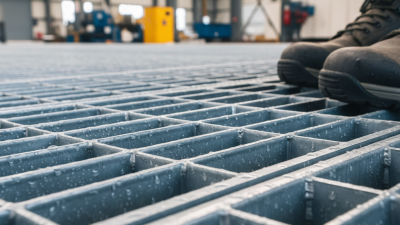
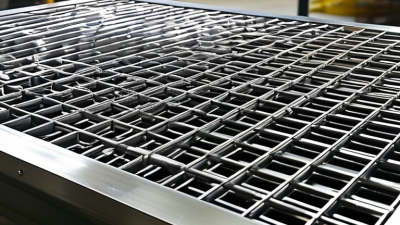
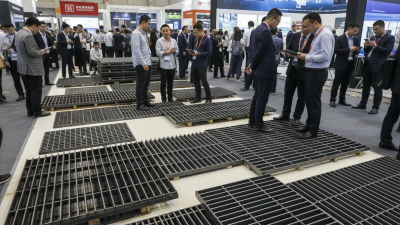
Stainless steel grating supports safe movement, drainage, and ventilation in demanding industrial environments. Its open structure allows water, oil, and debris to pass through. Its stainless surface also resists many corrosive conditions better than ordinary carbon steel.
The scale of demand is significant. World Stainless reported approximately 58.4 million tonnes of crude stainless steel production in 2023 in Stainless Steel in Figures 2024. This volume reflects stainless steel’s importance across construction, food processing, energy, and transportation. However, material selection still requires care. The wrong grade can stain, pit, or lose strength in service.
Corrosion remains expensive. The NACE IMPACT study estimated global corrosion costs at about US$2.5 trillion annually, equal to roughly 3.4% of global gross domestic product. Properly specified Stainless Steel Grating can help reduce maintenance risks, especially near washdown areas, coastal facilities, and chemical handling zones. Yet stainless steel is not automatically corrosion-proof. Chloride concentration, temperature, weld quality, and cleaning practices can change performance.
This guide examines ten common types of Stainless Steel Grating, including welded, press-locked, swage-locked, riveted, and cast designs. Each type creates a different balance between load capacity, slip resistance, hygiene, appearance, and installation speed. Small details matter. Bearing-bar depth matters. Surface finish matters. Drainage matters.
The comparison will reference practical engineering considerations and relevant standards, including ASTM material requirements and EN access-platform guidance. Some applications still need project-specific calculations, despite attractive catalog ratings. That limitation deserves attention. A grating that performs well in a factory corridor may fail to suit a marine deck or a food-processing floor.
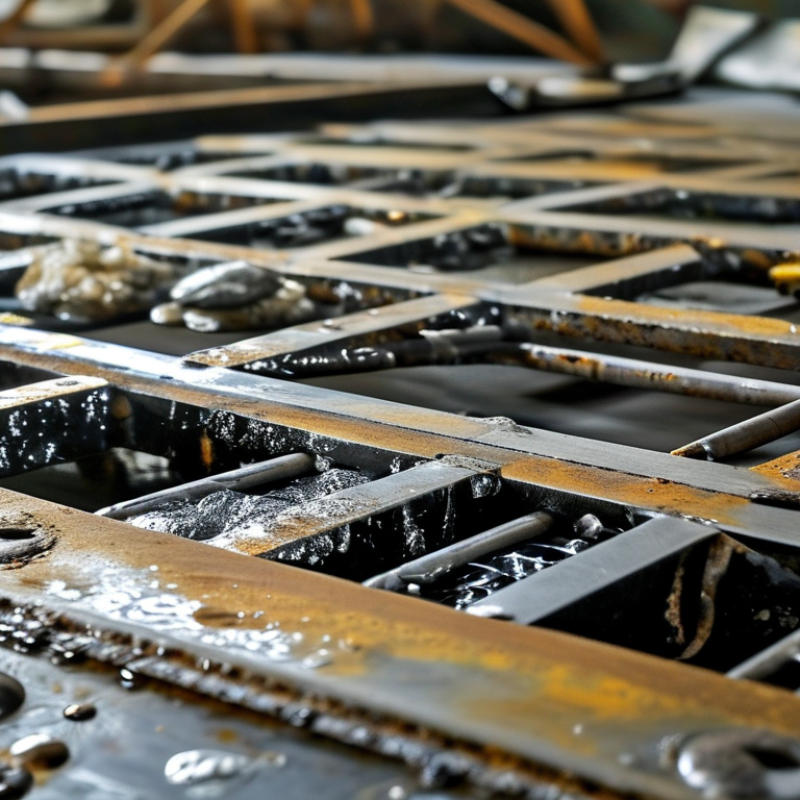
What Are the Top 10 Types of Stainless Steel Grating?
Understanding Stainless Steel Grating and Its Main Classification Criteria
Stainless steel grating is classified by how it is made, finished, and loaded. The ten common types include welded, press-locked, swage-locked, riveted, cast, perforated, expanded, serrated, smooth, and heavy-duty grating. These names describe different structural or surface features. They should not be treated as interchangeable products.
Welded grating joins bearing bars and cross bars with controlled heat. It suits platforms, walkways, and drainage covers. Press-locked grating uses deep cross-bar slots, creating a clean, rigid panel. Swage-locked grating forms cross bars under pressure, often producing a lighter appearance. Riveted grating uses mechanical fasteners and can offer useful flexibility during maintenance. Cast grating is selected for specialized load and corrosion conditions, but its weight needs careful review.
Serrated surfaces improve traction near water, oil, or food-processing areas. Smooth surfaces are easier to clean but may become slippery when wet. Perforated and expanded designs control airflow, drainage, and visibility. Heavy-duty grating uses deeper bearing bars for forklifts, service vehicles, or industrial platforms. Material grade also matters, with common stainless options chosen according to chloride exposure and cleaning chemicals. Check the details.
In practice, opening size, span, support spacing, load direction, and surface treatment can change the correct choice. Site measurements often reveal problems that drawings miss. A panel may look strong, yet deflect noticeably over a wide span. Load calculations and slip testing should guide the final selection. No classification fits every site. That is worth remembering.
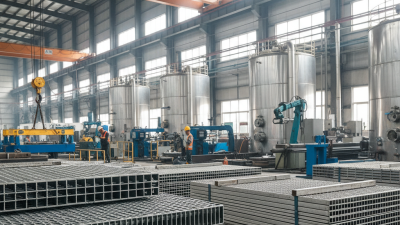
Stainless steel grating is commonly classified into ten practical types, including pressed, swage-locked, welded, riveted, serrated, plain, stair, trench, close-mesh, and removable panels. Two structural families deserve closer attention: pressed grating and swage-locked grating. Pressed grating uses cross bars mechanically pressed into notches in the bearing bars. Its flat surface is easy to clean and suitable for platforms, walkways, and drainage covers.
Swage-locked grating uses cross bars inserted through punched bearing bars, then hydraulically expanded. This creates a firm mechanical connection with strong visual uniformity. It often suits architectural floors, mezzanines, and areas requiring open drainage. However, the correct choice depends on span, load, opening size, support spacing, and foot traffic. The weakest point may be the support, not the panel. That assumption needs testing.
World Stainless reported approximately 58.4 million tonnes of crude stainless steel production in 2023, showing the material’s broad industrial relevance. The NACE IMPACT study estimated global corrosion costs at about 3.4% of gross domestic product, or roughly 2.5 trillion dollars annually. These figures support careful alloy selection, drainage design, and inspection access. In practice, engineers should verify calculations against the NAAMM Metal Bar Grating Manual and relevant project standards. A polished surface can mislead. Chlorides, trapped moisture, and poor weld detailing may still accelerate corrosion. Pressed and swage-locked systems are dependable, but neither removes the need for testing, documented loads, and realistic maintenance planning.
Welded steel grating and riveted steel grating are two dependable choices among the top stainless steel grating types. Welded grating joins bearing bars and cross bars with controlled welds. It creates a rigid panel with stable spacing under foot traffic. This structure suits walkways, drainage covers, platforms, and forklift lanes. Stainless steel 304 works well in many indoor areas. Stainless steel 316 offers stronger resistance near saltwater or chemical exposure.
Riveted steel grating uses mechanical rivets instead of continuous welds. Its cross bars can provide a slightly more flexible walking surface. That characteristic helps where vibration, expansion, or frequent service access matters. Riveted panels also offer a distinctive close-textured appearance. However, design quality matters greatly. Poor spacing, weak rivets, or insufficient support can reduce performance. Strength depends on bar depth, span, load direction, and surface conditions.
Tips: Check the actual load before choosing a panel. Include carts, tools, water, and maintenance workers. Inspect weld zones for discoloration, cracks, or incomplete penetration. For riveted grating, examine loose connections and damaged bar edges. A non-slip surface is valuable on wet floors, but it may collect more debris. This trade-off is easy to overlook. Site assumptions can also be wrong, so confirm corrosion exposure with maintenance staff. A conservative selection is usually safer than a visually attractive one.
| Rank | Stainless Steel Grating Type | Manufacturing or Construction Method | Typical Surface and Load-Bar Design | Strength and Performance Profile | Common Applications | Typical Stainless Steel Grades |
|---|---|---|---|---|---|---|
| 1 | Welded Plain-Surface Grating | Cross bars are resistance-welded to load bars at each intersection, creating a rigid, integral panel. | Plain rectangular load bars with straight round, square, or twisted cross bars. | High structural rigidity, dependable load transfer, and good dimensional stability. The smooth surface is easy to clean but generally provides less slip resistance than serrated grating. | Platforms, walkways, machine areas, mezzanines, and industrial floors with regular loads. | 304 stainless steel for general indoor or moderate outdoor service; 316 stainless steel for chloride-rich or marine environments. |
| 2 | Welded Serrated Grating | Produced by welding the cross bars to load bars, with serrations formed along the upper surface of the load bars. | Serrated or anti-slip load bars, commonly combined with round or twisted cross bars. | Combines the rigid welded structure with improved traction in wet, oily, or contaminated conditions. Load capacity depends on bar depth, thickness, span, and spacing. | Wet-process floors, chemical plants, food-processing areas, drainage zones, and exterior walkways. | 304 and 316 stainless steel are widely used; the appropriate grade depends on chemical exposure and cleaning conditions. |
| 3 | Heavy-Duty Welded Grating | Uses deeper and/or thicker load bars with welded cross bars; panels may also use closer bar spacing. | High-capacity load bars, often with serrated tops where traction is required. | Designed for concentrated loads, vehicle traffic, heavy equipment, and longer unsupported spans. Final capacity must be verified from engineering load tables. | Loading bays, equipment platforms, industrial access floors, ramps, and maintenance areas exposed to heavy rolling loads. | 304L or 316L stainless steel may be selected where welded fabrication and corrosion resistance are both important. |
| 4 | Riveted Plain-Surface Grating | Cross bars are mechanically locked to load bars using formed stainless steel rivets or rivet-like connectors. | Plain load bars with a relatively smooth walking surface. | Provides strong mechanical interlocking and good resistance to repeated service loads. It can offer a comfortable walking surface where aggressive serrations are unnecessary. | Industrial walkways, service platforms, catwalks, and areas requiring a mechanically assembled panel. | 304 stainless steel is common for general service; 316 stainless steel is preferred in marine or salt-exposed locations. |
| 5 | Riveted Serrated Grating | Riveted construction is combined with serrated load bars to increase surface traction. | Serrated load bars with mechanically secured cross bars. | Offers a rigid, mechanically connected panel with enhanced slip resistance. It is suitable where vibration, moisture, or frequent foot traffic is present. | Offshore and marine walkways, wastewater facilities, ramps, process areas, and outdoor platforms. | 316 or 316L stainless steel is often selected for saltwater and chloride exposure; 304 grades suit less aggressive environments. |
| 6 | Press-Locked Stainless Steel Grating | Deep rectangular slots in the load bars receive flat cross bars, which are pressed into place under high pressure. | Clean, flush-looking grid with rectangular cross bars and consistent openings. | Provides a neat architectural appearance and effective load distribution for moderate-duty service. Its capacity is governed by the load-bar dimensions and connection geometry. | Architectural floors, ventilation covers, screening panels, ceiling systems, and light-to-medium-duty platforms. | 304 stainless steel is frequently suitable indoors; 316 stainless steel is used for more corrosive outdoor or coastal settings. |
| 7 | Swage-Locked Grating | Pre-punched load bars are fitted with round or square cross bars, then mechanically swaged to lock the intersection. | Uniform grid with a relatively smooth appearance; cross bars may be round or square. | Offers reliable panel integrity and a clean visual profile. It is commonly selected when appearance, drainage, and moderate structural performance must be balanced. | Architectural walkways, public-area flooring, ventilation grilles, platforms, and decorative screening. | 304 and 316 stainless steel are typical choices, selected according to corrosion exposure and cleaning chemicals. |
| 8 | Close-Mesh Stainless Steel Grating | Manufactured with reduced center-to-center spacing between load bars and/or cross bars. | Small openings that reduce the passage of tools, debris, and small objects. | Provides improved heel safety and object retention compared with standard wide-opening grating. The additional steel can increase panel weight and cost. | Pedestrian routes, elevated work areas, mezzanines, platforms above sensitive equipment, and locations requiring small openings. | 304 stainless steel for general applications; 316 stainless steel for corrosive or coastal service. |
| 9 | Stainless Steel Trench and Drain Grating | Fabricated as removable panels or frames sized to fit drainage channels, pits, and linear trench systems. | Usually serrated for traction, with opening size selected for drainage and object retention requirements. | Designed to support pedestrian or maintenance traffic while allowing water and process liquids to pass through. Vehicle loading requires specifically engineered load ratings. | Floor drains, trench drains, wastewater channels, food-processing rooms, wash-down areas, and utility pits. | 304 or 316 stainless steel; 316 is generally more suitable for chlorides, brine, and aggressive wash-down chemicals. |
| 10 | Stainless Steel Stair Treads | Grating panels are cut and framed into stair-step units, often with welded end plates and a separate nosing. | Serrated load bars are commonly paired with a contrasting or raised front nosing for edge visibility and traction. | Provides open drainage, slip resistance, and a durable walking surface. Tread span, support arrangement, and fixing details must be checked for the intended stair load. | Industrial stairs, fire escapes, access ladders, plant platforms, and exterior service stairways. | 304 stainless steel for general industrial use; 316 stainless steel for marine, coastal, and chemically exposed installations. |
Selection note: Actual load capacity depends on load-bar depth and thickness, cross-bar spacing, panel span, support conditions, fastening, and the applicable structural code. Stainless steel grade should be selected according to chloride concentration, chemical exposure, temperature, cleaning agents, and required corrosion resistance.
The top 10 types of stainless steel grating include heavy-duty welded, light-duty welded, serrated, smooth-surface, press-locked, swage-locked, riveted, stair-tread, trench-cover, and removable-panel grating. Heavy-duty welded grating uses load-bearing bars joined to crossbars, making it suitable for plant floors, service platforms, and vehicle-access areas. It handles repeated impact well. Serrated bars add traction through a toothed upper edge. They are valuable around washdown zones, ramps, and outdoor walkways where water or grease may collect.
Smooth-surface grating offers easier cleaning and a more comfortable walking feel. It suits dry corridors, inspection platforms, and areas where debris must be removed quickly. However, smooth does not mean slip-proof. That detail is often overlooked. Press-locked and swage-locked styles provide different visual patterns and load behavior, while riveted designs can support demanding industrial access routes. Stair treads, trench covers, and removable panels are shaped for specific installation needs rather than ordinary flooring.
Tips: Match the bearing-bar depth and spacing to the real load, not an assumed load. Check drainage, span, supports, and surface contamination before choosing serrated or smooth grating. Stainless steel resists corrosion, but harsh chemicals and trapped dirt still require inspection. A mistake I would revisit is treating “heavy-duty” as a complete specification; support spacing can change performance significantly. Edge details matter too.
What Are the Top 10 Types of Stainless Steel Grating?
Decorative, Drainage, and Custom Stainless Steel Grating Applications
Stainless steel grating combines load support, drainage, and visual control. The ten common choices include welded bar, press-locked, swage-locked, riveted, cast, perforated, expanded, trench-drain, decorative infill, and custom-fabricated grating. Welded and press-locked designs suit platforms, walkways, and service areas. Swage-locked panels offer cleaner lines for architectural interiors. Perforated and expanded patterns help control light, airflow, and small debris. Decorative infill grating can frame steps, balconies, and feature screens. Custom panels solve irregular openings, curved edges, and unusual drainage channels.
Material selection requires practical judgment. Grade 304 fits many dry or mildly wet environments. Grade 316 offers stronger resistance near salt, chlorides, and chemical washdown. The International Stainless Steel Forum reported approximately 58.4 million tonnes of global stainless crude steel production in 2023. That scale supports stainless steel’s broad industrial use, but it does not remove design risks. ASTM A240 and ASTM A479 provide useful material references. Actual performance still depends on span, bearing bars, surface finish, and installation quality. A polished surface may look elegant, yet it can become slippery under water. This detail is often underestimated.
Tips: Match the opening pattern to the drainage load. Use serrated bearing bars where wet footing matters. Confirm load calculations before fabrication. Leave access for cleaning beneath trench grating. A perfect drawing can still fail onsite. Recheck elevations, edge angles, and maintenance clearance before approval.
Comparative suitability for decorative, drainage, and custom stainless steel grating applications
Scores from 1 to 5 indicate typical application suitability, based on the construction characteristics of each grating style. Welded, press-locked, swage-locked, riveted, and trench grating are commonly selected for load-bearing or drainage functions, while woven, perforated, expanded-metal, and laser-cut designs are often used where appearance, airflow, or customization is important. Final selection should be verified against load, span, opening, corrosion, and local safety requirements.