China Best Black Grating Options for Global Buyers?
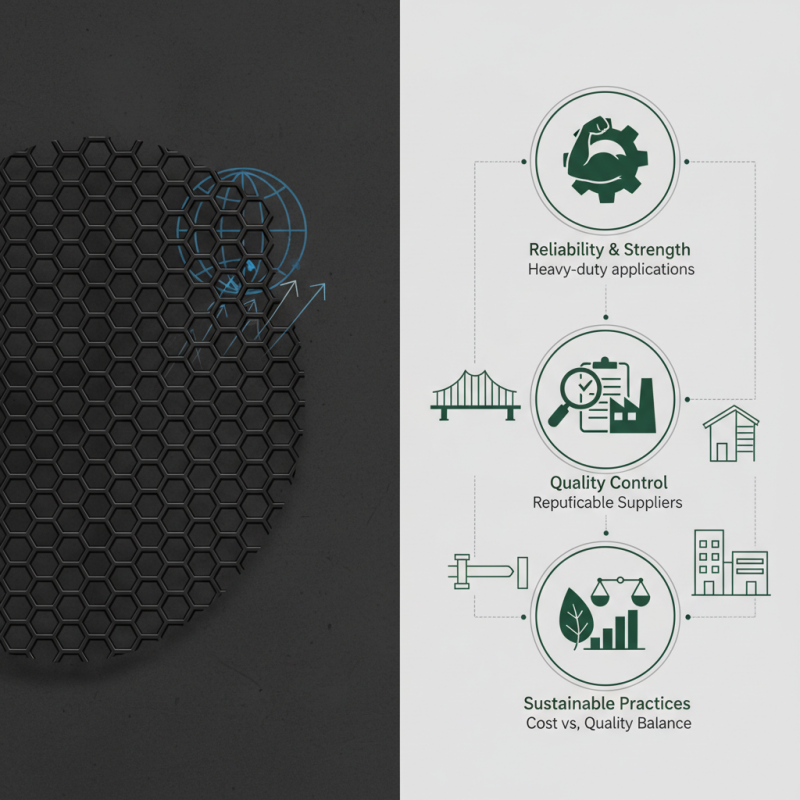
In recent years, the demand for quality Black Grating has surged among global buyers. As industries look for durable and versatile materials, China has emerged as a leading supplier. John Smith, a renowned Black Grating expert, states, "China excels in providing innovative solutions for the grating industry." His insights highlight the importance of reliability and strength in Black Grating products.
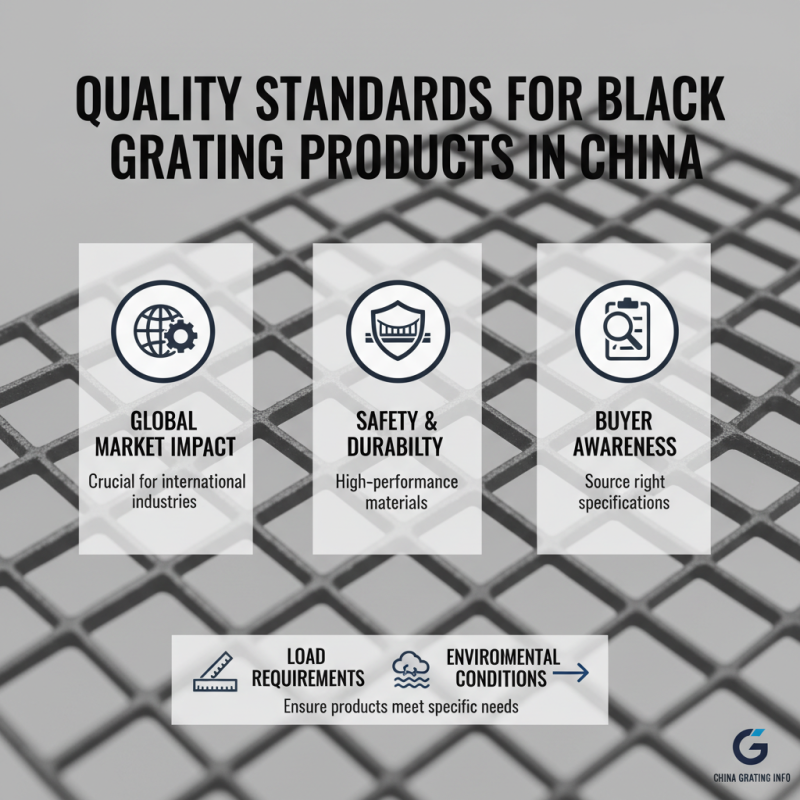
China offers a variety of Black Grating options, catering to different industrial needs. You can find options suited for heavy-duty applications as well as lighter uses. However, not all Chinese manufacturers provide the same level of quality. It’s crucial to differentiate between reputable suppliers and those that may compromise on standards. Understanding the specifications and testing methods used is vital for making informed choices.
Buyers should also consider the environmental impact of Black Grating production. Sustainable practices are gaining traction, yet many companies still overlook this aspect. Striking a balance between cost and quality is essential. While choosing a supplier, careful research and evaluation of their production methods can lead to better outcomes. Balancing quality with other factors remains a challenging task for many.
Top Manufacturers of Black Grating in China
China has emerged as a leading producer of black grating, catering to global buyers with diverse needs. There is a significant demand for various types of grating, primarily used in industrial applications and construction. According to recent industry reports, the global market for grating is projected to grow at a CAGR of 4.5% from 2022 to 2027. This increase highlights the potential for manufacturers in China to expand their reach and meet market demands.
Top manufacturers in China focus on quality and innovation. They invest resources into advanced production processes, ensuring products meet international standards. Many manufacturers report a rise in the adoption of eco-friendly materials, aligning with global trends toward sustainability. Notably, some companies have faced challenges due to fluctuating raw material costs, impacting pricing strategies. Stakeholders often seek detailed data analysis to navigate these market fluctuations and make informed decisions.
The black grating sector is not without its complexities. Issues such as inconsistent product quality have led to buyer skepticism. Various factors, including production techniques and sourcing materials, contribute to these inconsistencies. Manufacturers must address these challenges head-on to foster trust and reliability within the global marketplace. Enhanced communication and transparency are essential for buyers when evaluating potential suppliers, ensuring a more sustainable partnership.
China Best Black Grating Options for Global Buyers
Types of Black Grating Materials Available in China
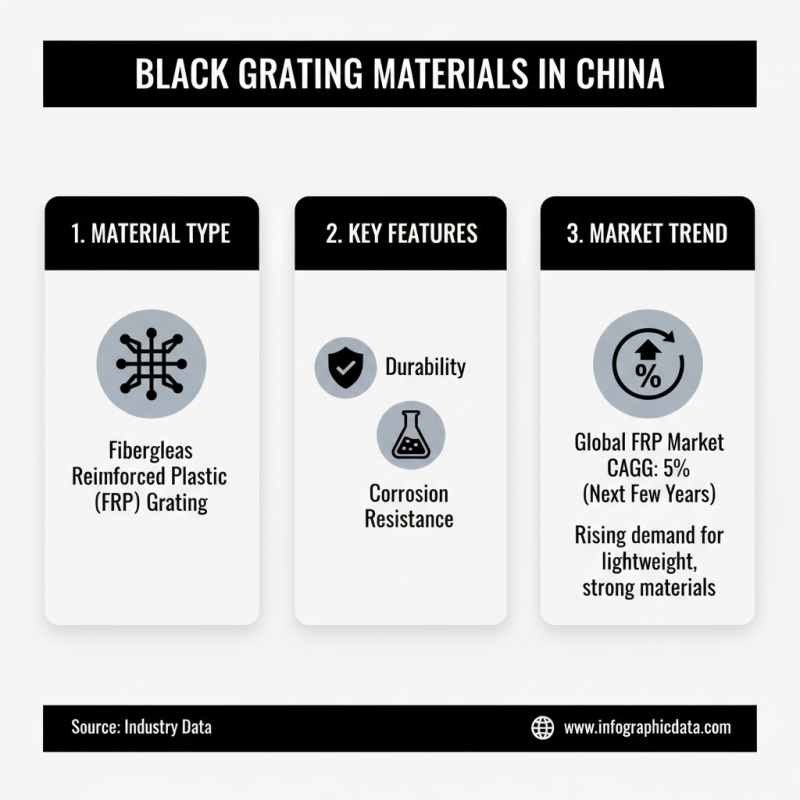
When considering black grating materials in China, several options stand out. Fiberglass reinforced plastic (FRP) grating is highly sought after for its durability and corrosion resistance. According to industry data, the global FRP market is projected to grow at a CAGR of 5% over the next few years. This increase reflects a rising demand for lightweight, strong materials in various sectors.
Steel grating options also play a crucial role. Carbon steel grating provides excellent load-bearing capacity. This type can withstand heavy traffic, making it a preferred choice in industrial settings. However, it is vital to note that carbon steel can be susceptible to rust without proper treatment. A report highlighted that around 30% of steel grating failures are attributed to inadequate maintenance of protective coatings.
Aluminum grating presents a light alternative. It is resistant to rust and has a longer lifespan than traditional materials. However, its higher cost may deter some buyers. Buyers must weigh the benefits against the investment to determine suitability for specific applications. Each material has its strengths and limitations, making it essential for buyers to assess their needs carefully.
Export Considerations for Global Buyers of Chinese Grating
When considering the export of black grating from China, several factors should be carefully evaluated. China's grating industry has seen a significant growth trajectory, with a report by Grand View Research estimating a market value of USD 1.2 billion by 2025. This growth reflects an increasing demand for durable and cost-effective construction materials globally. Understanding regional preferences is key. For example, North America and Europe often prioritize high load capacities and corrosion resistance, influencing their purchasing decisions.
Quality assurance presents a critical consideration. According to a survey by the International Trade Association, over 70% of global buyers emphasized the importance of credible certifications. Ensuring compliance with international standards can enhance trust in Chinese products. However, challenges remain. Some buyers report inconsistencies in product quality, which can pose risks to long-term projects. Therefore, conducting thorough supplier evaluations and requesting samples are essential steps for mitigating these risks in the sourcing process.
Logistics can also affect the export process. Shipping delays and fluctuating costs can impact buyers' timelines and budgets. A report from the World Bank highlights that shipping costs can represent up to 15% of the total product cost. Potential delays must be communicated clearly between buyers and suppliers. Negotiating reliable shipping terms is crucial, but complications may still arise. Therefore, flexibility and proactive communication can help navigate these pitfalls effectively.
Cost Factors and Pricing Trends for Black Grating in China
When exploring black grating options in China, cost factors play a vital role for global buyers. Prices vary based on materials, production methods, and market demand. Typically, higher quality materials lead to increased costs. However, you might find lower-priced alternatives. These could lack in durability or aesthetic appeal. Understand that the cheapest option may not always be the best in the long run.
Pricing trends show fluctuations influenced by raw material availability and global economic conditions. Recent years have seen spikes due to supply chain disruptions. Buyers should keep an eye on market trends. Timing your purchase can lead to significant savings. A proactive approach is essential for securing value. Additionally, consider shipping costs and import duties. These factors can drastically impact your final expense.
Navigating the black grating market in China requires careful research. Assessing quality vs cost is crucial. Engaging with multiple suppliers can provide insights into different pricing structures. It’s important to weigh quality assurance alongside price. While you seek the best deal, don’t overlook potential compromises in safety and performance.