What is Stainless Steel Grating and Its Benefits for Buyers?
Stainless Steel Grating has become a crucial element in various industries. According to a report by Smith & Associates, the global stainless steel grating market was valued at approximately $1.5 billion in 2022. This growth reflects the material's increasing demand due to its durability and resistance to corrosion. Industry expert Dr. Emily Carter noted, "The advantages of stainless steel grating lie in its strength and longevity, making it a preferred choice for many applications."
Understanding the benefits of stainless steel grating is essential for buyers. It provides safety in workplaces by preventing slips and falls. The ease of maintenance is another critical factor. Buyers appreciate its lightweight nature, yet robust design. However, not all manufacturers meet rigorous quality standards. This inconsistency often leads to challenges in performance and longevity, highlighting the need for thorough research prior to purchase.
Investing in high-quality stainless steel grating can reduce long-term costs. While upfront prices may seem higher than alternatives, the durability and lifespan of stainless steel ultimately offer significant savings. Adopting stainless steel grating requires commitment to quality. As Dr. Carter emphasizes, "Choosing the right supplier can make all the difference.”
Definition of Stainless Steel Grating and Its Composition
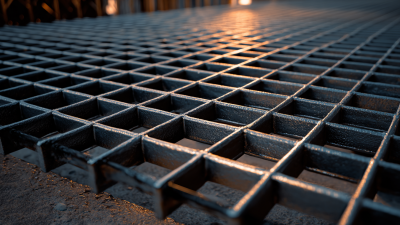
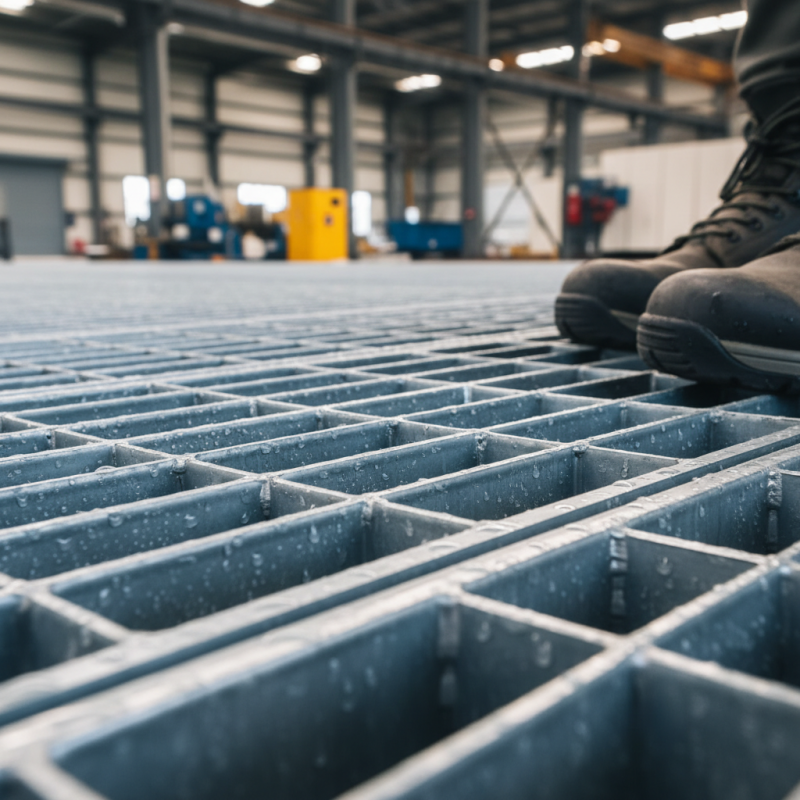
Stainless steel grating is a durable flooring and platform solution made from
stainless steel. Its composition typically includes iron, chromium, and nickel, which provide
exceptional resistance to corrosion and rust. This makes it ideal for both industrial and commercial use,
where safety and longevity are paramount. The unique properties of stainless steel enhance its strength while maintaining a
lightweight design, making it easier to handle.
When selecting stainless steel grating, consider the type of environment it will be used in. For wet or chemical environments,
high-grade stainless steel is essential. It ensures longevity and reduces the need for frequent replacements. Also,
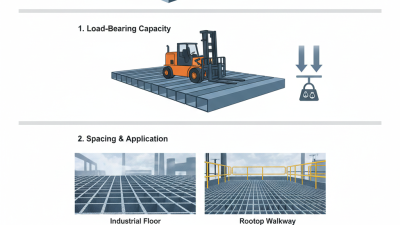
the bar spacing should align with safety requirements, especially in high-traffic areas.
Tips: Always check the
load-bearing capacity before making a purchase. This ensures that the grating
will support the intended weight without failure. Additionally, consider the finish of the grating. A smooth finish can be easier to clean,
but a serrated finish enhances slip resistance. Evaluate your specific needs carefully.
Key Benefits of Stainless Steel Grating for Industrial Applications
Stainless steel grating is an essential component in various industrial settings. Its robustness and durability make it an ideal choice for flooring and walkways. This type of grating can withstand heavy loads and harsh environments. It is resistant to rust and corrosion, which prolongs its lifespan. This feature is particularly advantageous in chemical plants and coastal areas.
The safety benefits cannot be overlooked. The open design of stainless steel grating allows for excellent drainage. This reduces slipping hazards, especially in wet conditions. Moreover, easy maintenance is a significant plus. Regular cleaning keeps the grating looking new and minimizes the risk of accidents.
However, some buyers may find the initial cost high. It’s essential to weigh this against the long-term savings from durability. Also, installation requires specialized skills. In some cases, this can cause delays. Ultimately, making an informed choice can lead to valuable returns for any industrial application.
Benefits of Stainless Steel Grating for Industrial Applications
This chart illustrates the key benefits of stainless steel grating for industrial applications, showcasing their importance in terms of corrosion resistance, durability, low maintenance, safety, and design versatility. Each benefit is represented by a score reflecting its significance in industrial settings.
Comparison of Stainless Steel Grating with Other Grating Materials
When comparing stainless steel grating with other materials, durability emerges as a key factor. Stainless steel grating is corrosion-resistant, which is critical in harsh environments. In contrast, materials like aluminum and carbon steel can degrade over time. Aluminum grating is lighter, but it may not withstand heavy loads as well as stainless steel. Carbon steel typically requires frequent maintenance due to rust.
Another aspect is safety. Stainless steel grating provides excellent slip resistance. This feature is crucial in commercial and industrial settings. Some plastic or fiberglass gratings can warp under heat, compromising safety. However, stainless steel can withstand high temperatures without deforming. Yet, it's essential to balance this with its higher initial cost and weight. While durability is a strong point for stainless steel, one must consider specific project needs.
Sustainability is also worth noting. Stainless steel is recyclable, which is an advantage. Other materials may not offer the same eco-friendly options. However, production processes can be resource-intensive. It's vital to evaluate your priorities regarding safety, durability, and environmental impact when choosing between stainless steel and other grating materials.
What is Stainless Steel Grating and Its Benefits for Buyers? - Comparison of Stainless Steel Grating with Other Grating Materials
| Material Type |
Durability |
Corrosion Resistance |
Weight |
Cost |
Applications |
| Stainless Steel Grating |
High |
Excellent |
Moderate |
Medium |
Industrial, Commercial |
| Mild Steel Grating |
Moderate |
Poor |
Heavy |
Low |
Basic Applications |
| Aluminum Grating |
Moderate |
Good |
Lightweight |
Medium |
Outdoor, Walkways |
| Fiberglass Grating |
Good |
Excellent |
Lightweight |
Medium |
Chemical Plants |
Common Applications of Stainless Steel Grating in Various Industries
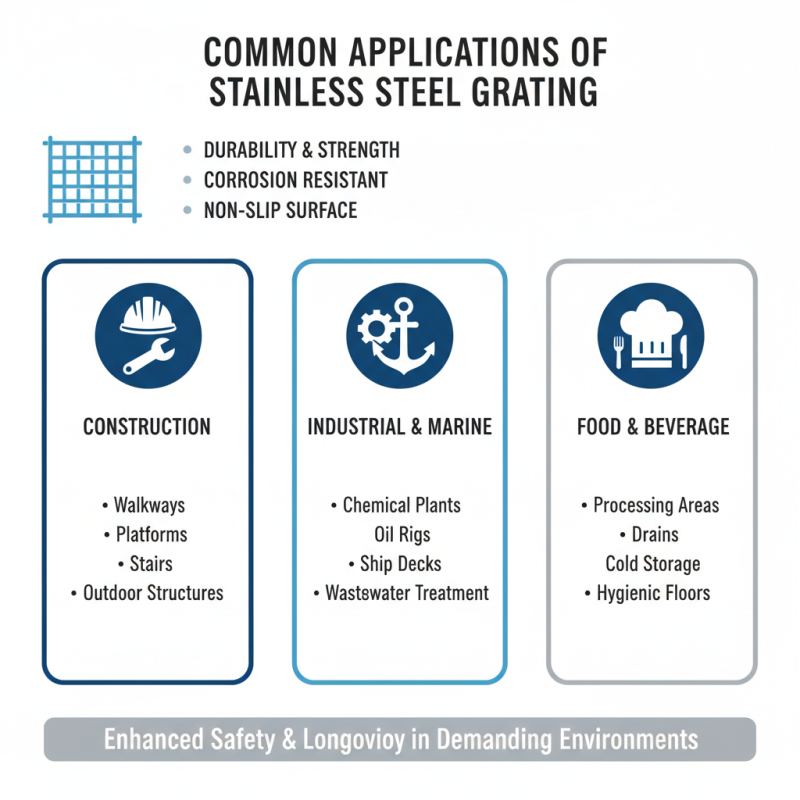
Stainless steel grating is widely used in many industries due to its durability and strength. In construction, it provides a reliable surface for walkways and platforms. This material resists corrosion, making it ideal for outdoor and wet environments. Its non-slip properties enhance safety, especially in areas that see heavy foot traffic.
In wastewater treatment facilities, stainless steel grating supports heavy machinery and equipment. It allows for efficient drainage, preventing water accumulation. The grating can also withstand harsh chemicals, making it valuable in industrial plants. In food processing, easy cleaning and hygiene are vital. Stainless steel grating meets these needs, helping prevent contamination.
Many people overlook the benefits of stainless steel grating. Some might think it’s too costly, but the long-term advantages are clear. Investing in quality grating can save money on maintenance and replacement. Reflecting on this, companies should weigh initial costs against future savings. Employing stainless steel grating can lead to safer and more efficient operations.
Cost Analysis: Investment vs. Long-Term Benefits of Stainless Steel Grating
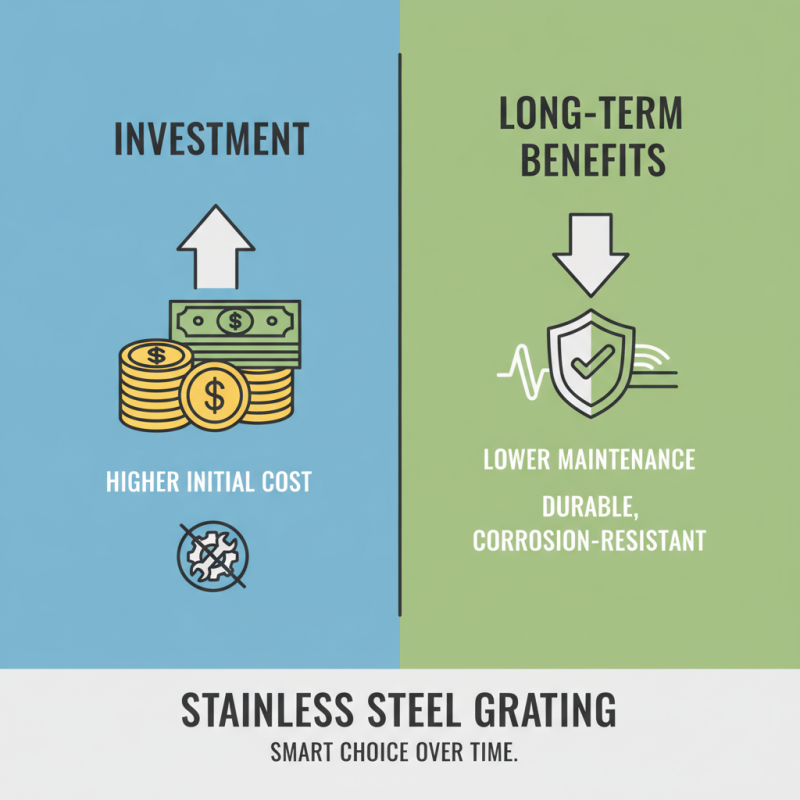
When considering stainless steel grating, buyers often focus on the investment aspect. The initial cost can seem high. However, the long-term benefits are significant. Stainless steel grating is durable and resistant to rust and corrosion. This means lower maintenance costs over time, which can offset the initial purchase price.
Another point to consider is the safety feature. The slip-resistant surfaces of stainless steel grating enhance workplace safety. Fewer accidents mean lower insurance premiums down the line. While the upfront expenditure is critical, the overall savings in maintenance and safety should weigh heavily in decision-making.
Additionally, stainless steel grating can last decades with minimal degradation. Investing in high-quality materials might feel daunting initially. However, reflecting on the extended lifecycle shows a promising return. It's not just about the immediate purchase—it’s about future reliability and performance.