Top 5 Tips for Choosing Stainless Steel Grating for Your Project
When selecting the right materials for your project, the choice of Stainless Steel Grating can significantly impact both aesthetics and functionality. John Smith, a leading expert in industrial materials, emphasizes the importance of this decision. He states, “The durability and versatility of Stainless Steel Grating make it an unparalleled choice for various applications.”
Choosing quality Stainless Steel Grating isn’t just about looks. It demands careful consideration of various factors like load capacity, spacing, and corrosion resistance. Each project has unique requirements, making it essential to tailor your choice to suit those needs. Many overlook the long-term benefits of investing in high-quality grating, which may lead to increased costs down the line due to replacements or maintenance.
Navigating through the options available can be daunting. It’s easy to feel overwhelmed by the vast array of products. Some may even rush the decision, missing out on crucial details that define the best choice. Take the time to reflect on your project specifications and understand the various types of Stainless Steel Grating on the market. This thoughtful approach can ensure a more reliable and effective outcome for your project.
Key Factors to Consider When Selecting Stainless Steel Grating Materials
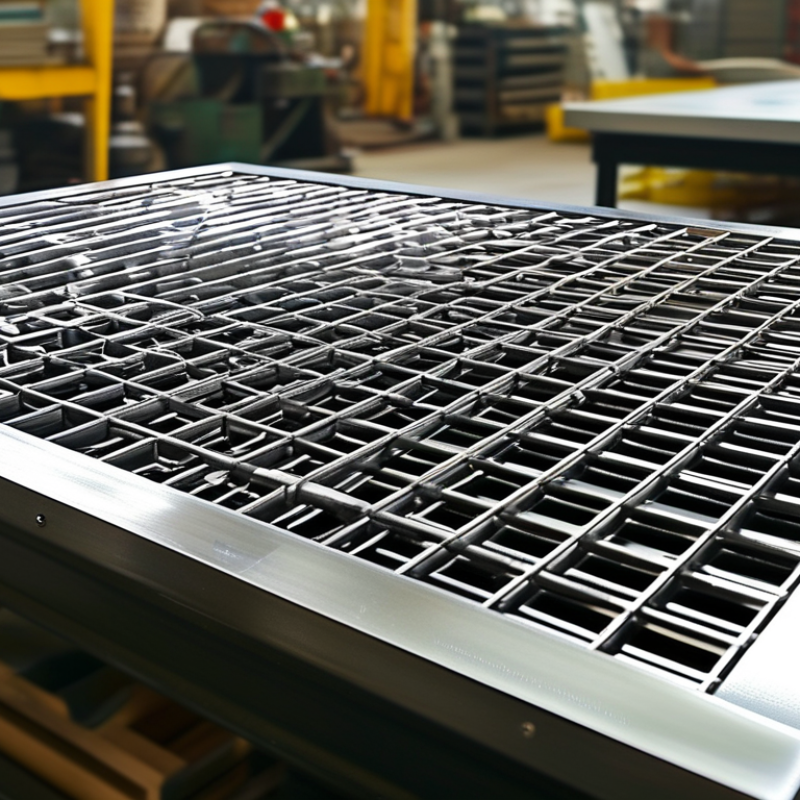
When selecting stainless steel grating materials, several key factors must be considered. Durability is crucial. Stainless steel grating must withstand heavy loads and harsh environments. You should examine the grade of stainless steel. Different grades offer varying levels of corrosion resistance. Choosing the right grade can significantly impact your project's longevity.
Load-bearing capacity is another essential factor. Determine the weight that the grating will need to support. This will guide your choice of thickness and spacing of the bars. Ensure the design suits the intended use, whether it’s for industrial flooring or pedestrian walkways.
Aesthetics may also play a role, especially in visible areas. The finish and spacing between bars can influence appearance. However, functionality should always come first. Don’t overlook maintenance requirements. Some designs are easier to clean and maintain than others. Consider these aspects thoroughly to avoid future issues. Balancing these factors will help ensure that your choice meets both practical and aesthetic needs.
Understanding the Different Types of Stainless Steel Grating: A Comparative Guide
When selecting stainless steel grating, it’s vital to understand the different types available. Each type has unique features and applications. For instance, perforated grating offers excellent drainage while providing slip resistance. This makes it suitable for walkways and outdoor areas. The open design facilitates drainage and minimizes the accumulation of debris.
Another option is welded bar grating. It’s robust and supports heavy loads. Welded grating is often chosen for industrial settings. However, the weight may pose challenges during installation. Consider the necessary support structures when opting for this type. Additionally, take into account the environment. Exposure to chemicals or extreme conditions will affect durability.
For aesthetic purposes, decorative grating is available. It combines functionality with design. Still, it may not always meet heavy-duty needs. Reflect on how the grating will be used. Balancing functionality with appearance can be tricky. Always evaluate the technical specifications before making a final decision.
Load Capacity and Performance: Ensuring Safety in Your Grating Selection
When selecting stainless steel grating, load capacity and performance are critical considerations. The grating must support the intended weight and usage. Different applications require distinct strength levels. For pedestrian walkways, lighter load capacities may suffice. However, heavy machinery or vehicular traffic demands robust options.
Carefully evaluating the expected weight is essential for safety. Perform calculations for maximum live load and dead load conditions. Consider potential impacts that may occur during use. For instance, construction sites often involve dynamic loads. Thus, grating with high load capacity and durability will mitigate risk.
Understanding the environment is also necessary. Grating exposed to corrosive materials may degrade faster. Consider factors like weather conditions and cleaning methods. Regular inspections can help identify wear and tear. A well-informed choice can prevent future failures, but no selection is without its uncertainties.
Corrosion Resistance and Environmental Considerations for Stainless Steel Grating
When selecting stainless steel grating for your project, understanding corrosion resistance is essential. Various environments impact the durability of stainless steel. For instance, coastal areas expose grating to salty air. This can accelerate corrosion if not addressed. Proper selection involves knowing the environment where the grating will be used.
Consider these key tips. Choose a grade with adequate corrosion resistance for specific applications. Type 304 is common but may not suffice in harsh environments. Type 316 offers better protection against corrosion. It is crucial to assess the environment before making a choice. Failure to do so can lead to early deterioration.
Environmental factors matter significantly. Pollutants and moisture can also erode stainless steel over time. Use grating designed for specific applications to enhance longevity. Regular maintenance is often overlooked but essential. Review the installation regularly to identify signs of wear or corrosion. This attention to detail can prevent costly repairs in the future.
Top 5 Tips for Choosing Stainless Steel Grating for Your Project
| Tip |
Description |
Corrosion Resistance |
Environmental Consideration |
| Choose the Right Grade |
Select a grade based on the environment it will be used in, such as 304 for mild conditions, 316 for harsh conditions. |
304 offers good corrosion resistance, while 316 performs better in chloride environments. |
Consider the sustainability of the materials; stainless steel is recyclable and environmentally friendly. |
| Check for Certifications |
Ensure that the grating meets industry standards such as ASTM or ISO certifications. |
Certified products are more likely to have reliable corrosion resistance properties. |
Certifications often include environmental impact assessments. |
| Evaluate Load Requirements |
Determine the weight the grating will need to support and choose accordingly. |
Proper load calculations can prevent premature failure due to corrosion-related cracking. |
Load-bearing capacity affects the longevity and recyclability of the material. |
| Consider Surface Finish |
Choose a finish that suits your aesthetic and functional requirements, such as smooth or serrated surfaces for slip resistance. |
Different finishes can influence the rate of corrosion based on environmental exposure. |
Selecting eco-friendly finishing processes can reduce environmental impact. |
| Plan for Maintenance |
Establish a maintenance schedule to prolong the life of the stainless steel grating. |
Regular maintenance can help identify corrosion issues early and prevent extensive damage. |
A maintenance plan can also enhance the longevity of materials, contributing to reduced waste. |
Cost Analysis: Balancing Quality and Budget in Grating Choices
When selecting stainless steel grating, cost analysis is crucial. It's easy to get swayed by price alone. However, the cheapest option may lack durability and safety. Quality matters. High-quality grating might seem pricey initially, but it can save money in the long run. Consider what you really need: strength, corrosion resistance, or aesthetic appeal.
Evaluate your budget carefully. You may find that spending a bit more ensures longevity. Sometimes, a budget-friendly choice results in frequent replacements. This can ultimately lead to higher costs. Look at the materials and finishes. Some offer better resistance to wear and tear. If your project involves high foot traffic, ensure the grating can withstand intense usage.
Additionally, think about installation costs. Cheaper materials might require more labor to fit correctly. It's essential to weigh all these factors. It might be tempting to go with an inexpensive option. But, a smart choice balances quality and budget. Investing wisely now can prevent regrets later. Review all your options and make an informed decision that benefits your project.
Cost Analysis of Stainless Steel Grating Options
This chart represents the cost per square foot of different types of stainless steel grating options. It's important to consider both quality and budget when making a choice for your project.