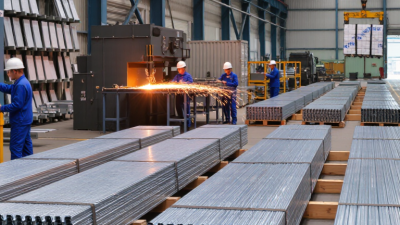
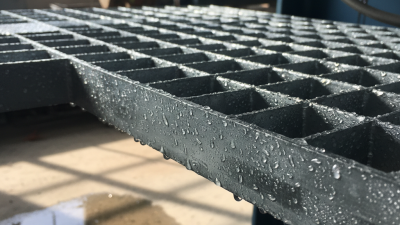
How to Choose the Right Steel Grating?

Choosing the right Steel Grating starts with understanding where it will be installed and what it must support. A platform carrying pedestrians has different needs from a service area exposed to carts or maintenance equipment. Measure the clear span, note the expected loads, and check the project’s applicable load requirements before comparing products. Small details matter. Bar spacing, panel depth, and bearing-bar direction can affect strength, drainage, and comfort underfoot. A quick visual match is not enough.

The installation environment matters just as much. Outdoor walkways may need corrosion-resistant material or a suitable protective finish, while wet areas call for attention to slip resistance and water flow. Consider how panels will be secured, whether edges need trimming, and how workers will access them for inspection. These choices influence upkeep as well as initial cost. Not every project has a perfect specification at the start; that is worth admitting. Confirm uncertain loads and dimensions with the project engineer or supplier, and review product data rather than relying on appearance alone. With clear requirements, you can compare options more confidently and select grating that fits the site, performs as intended, and remains practical to maintain.
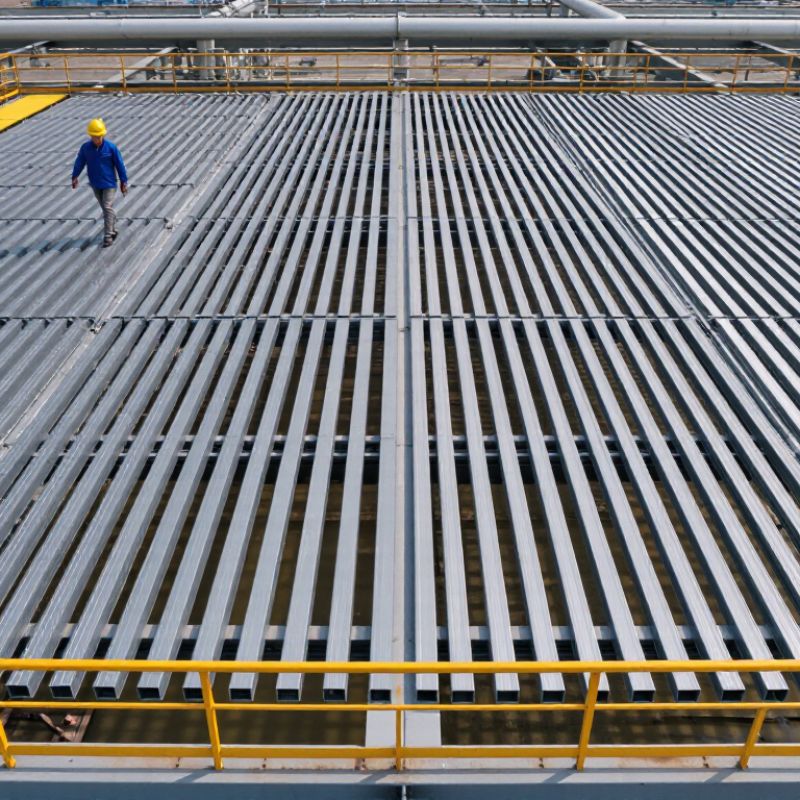
How to Choose the Right Steel Grating?

Determine the Application and Expected Loads

Determine what the grating will carry before choosing a pattern or bar size. A pedestrian platform has different demands from a loading bay where pallet-jack wheels cross the panels. Record the heaviest expected load, whether it is concentrated or spread out, and how often it moves. Include equipment, stored materials, and people—not just the usual daily traffic. Loads change everything.

Span matters. A longer unsupported span can increase deflection, even when the grating material stays the same. NAAMM’s MBG 531-19 Metal Bar Grating Manual provides load tables for evaluating grating under different loading and span conditions. For U.S. workplaces, OSHA 29 CFR 1910.22(b)(1) says walking-working surfaces must support their maximum intended load and four times that load. This is a general workplace requirement, not a substitute for project-specific engineering. Check support details and actual equipment weights; estimating by eye is easy, and often wrong.

Tips: Write down the heaviest wheel or foot load, panel span, and support spacing before requesting a load check. Revisit the choice if the equipment or use may change.
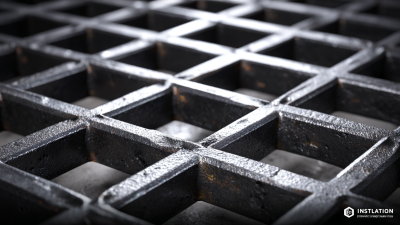
Compare Steel Grades and Corrosion-Protection Options

Choosing the right steel grating means matching its grade and protection to the site. Carbon steel offers strength and practical value for many industrial floors. Stainless steel resists corrosion well, but its higher cost may not suit every project. Consider moisture, chemicals, foot traffic, and load before deciding. Salt changes everything. Near coastal air or frequent washdowns, untreated steel can rust quickly, especially at cut edges and welds.

Tips: Ask for the steel grade and coating details in writing. Hot-dip galvanizing provides a durable zinc layer for outdoor use, while paint or powder coatings can add color and another barrier. For aggressive chemical exposure, confirm compatibility with a qualified materials specialist; no coating suits every chemical.

Look closely at the environment, not just the product description. A galvanized panel may perform well in a damp warehouse, yet need regular inspection where standing water collects. Stainless steel can be a better fit in some corrosive settings, but grade selection still matters. Check edges, fasteners, and drainage paths. Small details matter. I would not assume the thickest coating is automatically the best choice; surface preparation and maintenance affect real service life. A site-specific review can prevent costly replacement later.

Select a Grating Style, Bearing-Bar Spacing, and Surface

Choose the grating style around the load path and installation method. Welded grating suits many fixed platforms, while pressure-locked grating offers a uniform appearance and closely aligned bars.

NAAMM’s Metal Bar Grating Manual, MBG 531-17, organizes load data by bearing-bar size, spacing, and span. Use those tables with the actual support distance and expected loads, not just a visual match. Check the applicable edition and project specifications.

A clean-looking panel can still deflect too much.


Bearing-bar spacing affects both strength and what can pass through the opening. Common pitches include 19.1, 30.2, and 40.6 millimetres; tighter spacing can better support small wheels or narrow heels, but adds material. Measure the smallest object or wheel crossing the floor.

Surface matters, too. Plain bars are easier to clean, while serrated tops can improve footing where water, oil, or debris may collect. Still, serrations do not replace drainage or housekeeping.

I would verify the slip risk and maintenance routine on site; a surface that grips well can be harder to clean. Check bar direction, edge details, and the load-table deflection limit before ordering.

Assess Safety, Drainage, and Accessibility Requirements

Choosing steel grating starts with the people and loads it must support. Check the specified load rating, clear span, support spacing, and expected deflection; a panel that feels firm underfoot may still be unsuitable for carts or concentrated loads. The U.S. Bureau of Labor Statistics reported 885 fatal work injuries involving falls, slips, and trips in 2023. Grating cannot prevent every fall, but secure fastening, sound supports, and slip-resistant surfaces reduce avoidable risks. Details matter.

Drainage depends on more than open area. A narrow trench beneath a panel can still collect leaves, grit, or ice, so consider rainfall, debris, cleaning access, and the direction water must travel. For accessible routes, inspect opening size and orientation, not just the panel’s strength. U.S. Access Board guidance limits openings on accessible walking surfaces so they do not pass a sphere larger than ½ inch; elongated openings should run perpendicular to the dominant direction of travel. This helps reduce cane and mobility-device catches. Still, a compliant opening can feel uncomfortable under small wheels. Test a sample with the actual footwear and equipment used onsite, and review the choice after seasonal debris builds up.

Steel Grating: Clear Opening vs. Calculated Open Area

Larger openings can provide more drainage, but opening size also matters for accessibility and safety. The bars show calculated open area for an idealized square grid with 5 mm-wide bars; they are illustrative calculations, not product specifications. In the U.S., ADA Standards §302.3 limits floor or ground surface openings so that a sphere more than 1/2 inch (13 mm) in diameter cannot pass through; elongated openings must be oriented perpendicular to the dominant direction of travel. Check the applicable standards and the specific grating design before selection.

Confirm Dimensions, Standards, and Installation Conditions

Before ordering steel grating, verify the clear span, bearing direction, panel length, and opening size on site. Measure between supports, not just the overall platform dimensions. A few millimeters can affect seating, edge gaps, and fastening. Small gaps matter. Record the expected pedestrian, trolley, or vehicle loads, including concentrated loads from small wheels. A drawing may look complete and still omit the support detail.

Check the specification against the project’s required standard and edition. ANSI/NAAMM MBG 531-17 provides guidance for metal bar grating, while OSHA 29 CFR 1910.22 requires walking-working surfaces to support their maximum intended loads. These references serve different purposes; neither replaces project-specific engineering review. The U.S. Bureau of Labor Statistics recorded 885 fatal work injuries involving falls, slips, or trips in 2023. That figure does not identify grating as the cause, but it underscores why secure, level walking surfaces deserve careful review.

Installation conditions can change the right choice. Confirm support spacing, bearing-bar orientation, cutouts, drainage needs, and whether panels must be removable for maintenance. Check the actual steel finish and surrounding environment for moisture or corrosive exposure. Specify clips or other fasteners suited to the supports, then inspect seating and movement after installation. I would recheck dimensions after nearby steelwork is complete; site changes are easy to overlook. A tidy schedule is useful, but field measurements should win when they disagree.

WhatsApp Online Chat !