Top 5 Heavy Duty Steel Floor Grating Options for Buyers?
In the realm of industrial flooring solutions, Heavy Duty Steel Floor Grating stands out for its durability and strength. According to industry expert Mark Thompson, "Choosing the right floor grating can prevent costly accidents and enhance workplace safety." This statement emphasizes the critical role that Heavy Duty Steel Floor Grating plays in various applications.
These gratings are designed to withstand heavy loads and harsh conditions. They are commonly used in manufacturing, warehouses, and commercial settings. However, not all steel grating options are created equal. Buyers often face challenges in identifying the best products suited to their specific needs.
The choice of Heavy Duty Steel Floor Grating is not just about strength. It also involves factors like corrosion resistance and ease of installation. Understanding these elements can help buyers make informed decisions. Not everyone realizes that the wrong choice can lead to serious safety hazards and increased costs. Thus, a thoughtful approach is essential when selecting the right grating for safe and efficient operations.
Understanding Heavy Duty Steel Floor Grating and Its Applications
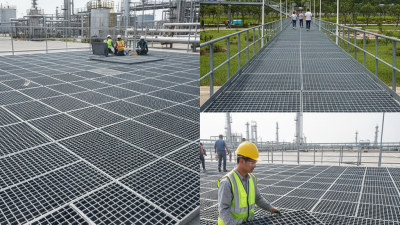
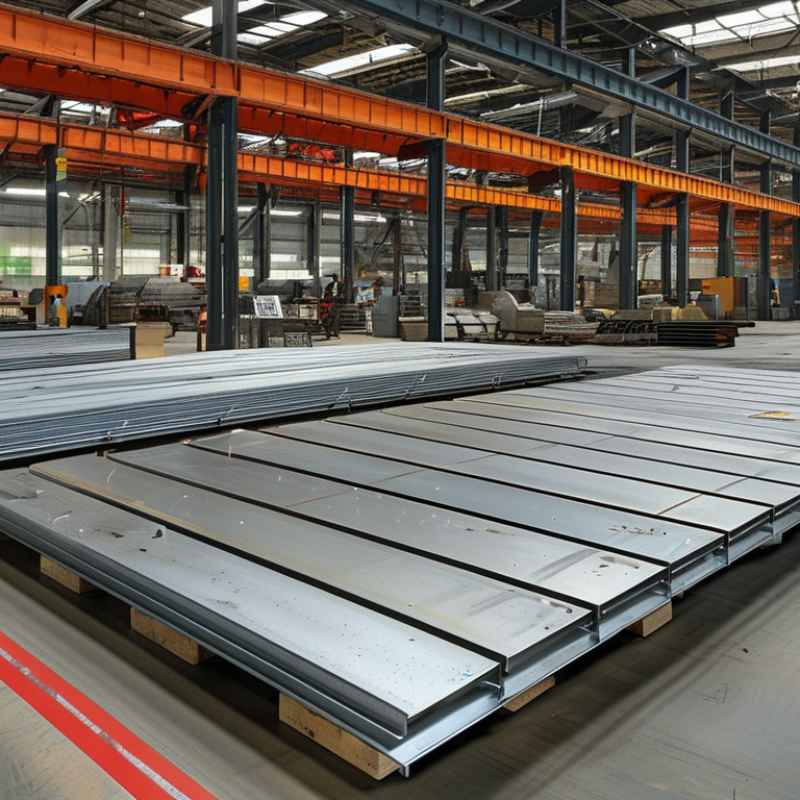
Heavy duty steel floor grating serves various industrial applications. It provides durability and strength, often used in factories, warehouses, and outdoor spaces. This type of grating can support heavy loads while allowing light and air to flow through. Understanding the specific requirements of your environment can guide you toward the right choice.
When considering heavy duty steel grating, think about the load capacity needed. Not all gratings are made equal. Some may not withstand the weight of heavy machinery or vehicles. Assess the application area. For instance, some environments require anti-slip surfaces while others prioritize chemical resistance.
**Tips:** Always check the installation guidelines. Proper installation is crucial for performance. Additionally, consider the environment; coastal or chemical-heavy areas might require specific coatings to prevent corrosion. Regular maintenance can extend the life of your steel grating. Evaluate your options carefully to ensure safety and efficiency.
Factors to Consider When Choosing Steel Floor Grating
Choosing the right steel floor grating involves several critical factors. The material's load capacity is paramount. According to industry reports, the load capacity can vary dramatically, typically ranging from 200 to 1,500 pounds per square foot. Buyers must assess their specific needs based on the intended use, whether for industrial, commercial, or residential applications.
Another vital consideration is corrosion resistance. Steel floor grating often encounters harsh environments. Coatings and finishes, such as galvanized or powder-coated options, enhance durability. Environmental factors, including exposure to chemicals or moisture, can significantly impact the product's lifespan. For example, grates used in wastewater treatment facilities need higher corrosion resistance than those in retail spaces.
Finally, ease of maintenance is essential. Some steel gratings require regular cleaning to prevent debris buildup. This can complicate upkeep in high-traffic areas. Data shows that maintenance can increase operational costs by 15% in industrial settings. Buyers should consider both long-term costs and the initial investment. Making an informed choice is critical to ensuring sustainability and safety.
Top 5 Heavy Duty Steel Floor Grating Options
Top 5 Heavy Duty Steel Floor Grating Options Available Today
When selecting heavy-duty steel floor grating, it's essential to consider the material's strength and durability. According to industry reports, steel grating can support loads up to several thousand pounds per square foot, making it ideal for high-traffic areas. The choice of grating can directly impact safety and efficiency in industrial settings. Data shows that properly selected grating can reduce accidents by over 30% in workplaces.
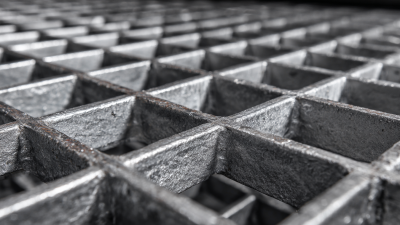
Several types of heavy-duty steel floor grating are popular today. One type is welded steel grating, known for its high load capacity and structural integrity. Another option is riveted steel grating, which offers flexibility in design and application. The open structure of these gratings facilitates drainage and airflow, enhancing operational efficiency and safety.
It's important to reflect on how various factors influence grating selection. Consider environmental conditions such as exposure to corrosive elements. Regular maintenance is also vital; neglected grating decreases load-bearing capacity. Understanding these aspects can lead to better purchasing decisions, ensuring reliability and longevity. Ultimately, informed choices lead to safer, more productive work environments.
Comparative Advantages of Each Steel Floor Grating Option
When choosing heavy-duty steel floor grating, buyers have various options, each with unique benefits. One type is
welded steel grating. It offers exceptional strength and durability, making it ideal for heavy loads. This option also provides a
flat surface, reducing the risk of tripping hazards. However, it can be more expensive than alternatives.
Users might find the initial investment significant.
Another option is swage-lock grating. This variant is lighter and easier to install. Its design allows for
better drainage, making it suitable for wet environments. Still, some may question its
load capacity under extreme conditions. For those with specific load requirements,
a slight compromise might not be acceptable.
Finally, there’s bar grating. It's versatile and comes in various styles. This option is often
favored for its ease of customization. Buyers appreciate the variety, but it could lead to
decision fatigue. The adaptability might confuse those who prefer straightforward solutions.
Each option presents distinct pros and cons, influencing the final choice based on individual needs.
Maintenance Tips for Heavy Duty Steel Floor Grating Products
Maintaining heavy-duty steel floor grating requires attention and care. Regular inspections are essential to identify wear or damage. Check for rust spots and loose sections that may compromise strength. Timely action can prevent accidents and prolong the lifespan of the grating. If you notice deterioration, consider corrective measures immediately.
Cleaning is another critical aspect of maintenance. Use a stiff brush to remove dirt and debris. For more stubborn stains, a mild detergent can help. Avoid harsh chemicals that can corrode the steel. Schedule routine cleanings to keep the surface safe and functional. Proper maintenance not only enhances durability but also ensures safety for users.
Though heavy-duty steel grating is robust, even the best materials require upkeep. Some buyers overlook the importance of routine maintenance, leading to costly replacements. It’s crucial to reflect on the maintenance practices that keep your floor grating in top condition. Small, regular efforts can lead to significant long-term benefits.
Top 5 Heavy Duty Steel Floor Grating Options
| Grating Type |
Load Capacity (lbs) |
Material Thickness (inches) |
Dimensions (inches) |
Ideal Applications |
| Heavy Duty Welded Grating |
1500 |
1.5 |
24 x 48 |
Industrial floors, loading docks |
| Bar Grating |
1200 |
1.25 |
36 x 36 |
Walkways, platforms |
| Expanded Metal Grating |
1000 |
0.75 |
48 x 48 |
Mezzanines, stair treads |
| Fiberglass Reinforced Grating |
800 |
1.0 |
24 x 36 |
Chemical plants, oil refineries |
| Heavy Duty Serrated Grating |
1600 |
1.5 |
36 x 72 |
High-traffic areas, construction sites |