China Top 10 Plain Grating Manufacturers for Global Buyers
China Top 10 Plain Grating Manufacturers for Global Buyers examines a practical, specification-driven market. Plain Grating appears in walkways, platforms, drainage covers, stair treads, and industrial floors. Its performance depends on more than steel grade or a polished product photograph. Span, bearing-bar size, load class, surface treatment, welding quality, and dimensional tolerance all matter.
The World Steel Association reported approximately 1.88 billion tonnes of crude steel production worldwide in 2024. That scale supports a broad manufacturing base, but it does not guarantee consistent grating quality. Grand View Research also identifies steady growth in the global metal grating market, driven by infrastructure, manufacturing, energy, and commercial construction. Buyers still need evidence. Mill certificates, inspection records, coating details, and repeatable packaging procedures reveal more than a low quotation.
As grating specification consultant Michael A. O’Rourke observes, “A grating is only as reliable as its span, load, and installation details.” The sentence sounds simple. It is often overlooked. A supplier may offer fast production, yet provide unclear calculations or incomplete drawings. That weakness deserves attention.
This guide compares ten Chinese Plain Grating manufacturers through manufacturing capacity, material options, compliance practices, export experience, customization, and communication quality. It considers galvanized steel, stainless steel, and painted finishes. It also looks at practical details, such as wrapped panels, labeled bundles, and forklift-ready loading.
No ranking is perfect. Factory visits, sample testing, and independent verification remain valuable. Global buyers should use this list as a starting point, not a substitute for engineering review.
What Plain Grating Is and Why Global Buyers Choose Chinese Suppliers
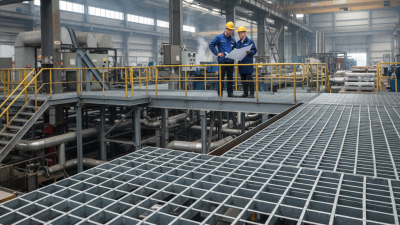
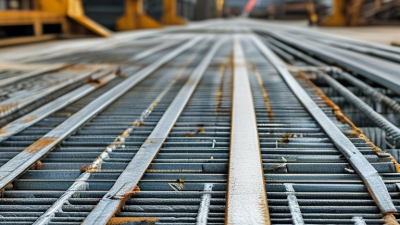
Plain grating is a metal floor panel made from load-bearing bars and cross bars. Its top surface remains flat, unlike serrated grating, which has raised teeth for better slip resistance. The open structure lets water, dust, and light pass through. It is commonly used for walkways, platforms, stair treads, drainage covers, and maintenance areas. The word plain can mislead. A smooth surface may be comfortable underfoot, but it can become slippery near oil, rain, or cleaning water.
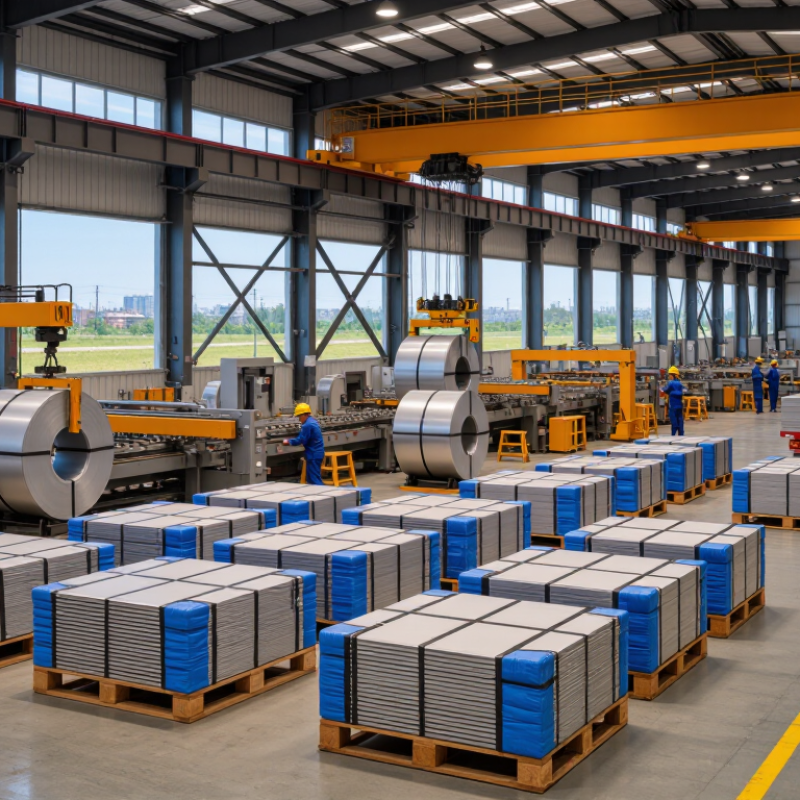
Global buyers often consider Chinese suppliers because they offer broad production capacity, flexible sizing, and competitive manufacturing costs. Many factories can produce mild steel, galvanized steel, aluminum, or stainless steel grating. They may also adjust bar spacing, panel length, welding methods, and surface treatment for a project. That flexibility helps when standard panels do not fit a site.
Buyers should request load tables, material certificates, welding inspection records, and coating thickness reports before placing an order. Samples can reveal uneven welds, sharp edges, or poor galvanizing more clearly than photographs.
Experience still matters. Reliable suppliers usually confirm span, supported load, deflection limits, traffic type, and installation details before quoting. However, not every low-cost offer represents real value. Freight packing, cutting accuracy, replacement support, and export documentation can affect the final result. A careful buyer compares the complete specification, not only the price per square meter. Small details matter.
How the Top 10 Chinese Plain Grating Manufacturers Are Selected
How the Top 10 Chinese Plain Grating Manufacturers Are Selected
A credible ranking starts with verifiable manufacturing evidence, not online visibility. The World Steel Association reported that China produced about 1.005 billion tonnes of crude steel in 2024. This scale supports strong raw-material access, but it does not prove grating quality. Each manufacturer is screened for factory capacity, production equipment, export experience, and documented quality procedures.
Technical evaluation focuses on measurable details. These include bearing-bar dimensions, crossbar spacing, flatness, weld penetration, and dimensional tolerance. Galvanized products are checked against recognized coating requirements, such as those described in ASTM A123. Load performance also matters. Independent test records should identify span, load, deflection, and test conditions. Vague claims are not enough.
Buyer feedback adds practical evidence. Customs records, shipment consistency, response times, packaging quality, and after-sales handling are reviewed where reliable data exists. The United Nations Comtrade database can help compare export patterns, but trade codes may combine several steel products. That is a weakness. A supplier with large export volume may not specialize in plain grating.
The final selection therefore combines factory verification, technical documents, sample inspection, and market reliability. The ranking remains provisional. Product quality can change after equipment upgrades, material substitutions, or new subcontracting arrangements. Global buyers should request recent mill certificates, inspection photos, and load-test reports before placing large orders.
China Top 10 Plain Grating Manufacturers for Global Buyers
How the Top 10 Chinese Plain Grating Manufacturers Are Selected
A key screening factor for global plain grating buyers is corrosion protection. This chart compares the minimum average and local hot-dip galvanized coating thicknesses specified by ISO 1461 for different steel thickness ranges. Manufacturers with documented coating inspection and compliance records can be evaluated against these benchmarks.
Source: ISO 1461 requirements for hot-dip galvanized coatings on fabricated iron and steel articles. Values are shown in micrometres (µm).
Product Range, Materials, Standards, and Manufacturing Capabilities
China’s top 10 plain grating manufacturers serve projects ranging from factory platforms to drainage channels. Their product ranges commonly include welded, press-locked, swage-locked, stair treads, and removable trench covers. Carbon steel suits heavy industrial loads, while stainless steel performs better in humid or corrosive areas. Aluminum reduces handling weight, but it needs careful load verification. World Steel Association data reports about 1.88 billion tonnes of crude steel production in 2024, supporting China’s broad material supply and fabrication capacity. Still, large output does not automatically prove consistent quality.
Global buyers should compare bar dimensions, bearing spans, surface treatment, tolerances, and traceability records. Common references include ISO 14122-2 for permanent access platforms, ASTM A123 for hot-dip galvanized coatings, and ANSI/NAAMM MBG 531 for metal bar grating.
Strong manufacturers typically offer CNC cutting, automated welding, zinc-bath control, load testing, and export packing. Traceability matters. Ask for mill certificates, coating thickness reports, welding procedures, and inspection photographs.
A practical weakness remains: some catalogues show impressive options but limited technical evidence. Buyers should request project-specific drawings before ordering. Fit is not universal. The World Bank’s Logistics Performance Index also shows why packaging, documentation, and delivery coordination deserve equal attention. A reliable supplier should explain these details clearly, not simply quote the lowest price.
Buyer-Focused Comparison of the Top 10 Manufacturers
A buyer-focused comparison of China’s top 10 plain grating manufacturers should examine more than factory size. The World Steel Association reported global crude steel production of about 1.89 billion tonnes in 2023, showing strong material availability but not consistent product quality. Buyers should compare steel grades, flatness, weld penetration, zinc coating, and documented load-test results. The best-ranked manufacturers provide drawings, batch traceability, and samples before mass production. Small details matter.
For the top ten candidates, compare production capacity, export experience, engineering support, and inspection discipline. EN ISO 14122-2 and ANSI/NAAMM MBG 531 offer useful reference points for platform and walkway grating. A reliable supplier should explain which standard applies, not simply print a certificate. Request mill certificates, coating measurements, dimensional reports, and independent inspection access. The ISSF recorded approximately 60.5 million tonnes of stainless steel production in 2023, yet stainless availability does not prove suitability for every corrosive environment.
Price should remain visible, but it should not lead the ranking. A lower quotation may hide thinner bearing bars, weaker welds, or incomplete packaging. Compare ten written offers using the same span, load, finish, and delivery terms. Ask how bundles are labeled at the loading point. Ask again before shipment. Some factories answer quickly but provide vague test evidence; that is a warning, though not absolute proof. A careful comparison should reward repeatable quality, clear communication, and realistic lead times. Mistakes still happen. The buyer’s inspection plan must expect them.
Export Process, Quality Checks, Pricing, and Supplier Evaluation
For global buyers comparing China’s top plain grating manufacturers, the export process should begin with clear technical documents. Send drawings, load requirements, panel sizes, surface treatment, steel grade, and destination port. A reliable supplier confirms these details before quoting. The quotation should separate product cost, packaging, inland transport, export documents, and freight. Small omissions can change the final landed price.
Quality checks need more than attractive product photos. Request material certificates, welding procedures, dimensional reports, and recent inspection records. Check bearing bar height, spacing, crossbar welding, panel flatness, and zinc coating thickness when galvanized grating is specified. A sample panel can reveal uneven welds or sharp edges. It is not expensive insurance. Independent inspection before shipment adds confidence, although it may not detect every production issue.
Pricing should be compared by specification, not only by ton or square meter. Ask whether the price includes cutting, edge bars, clips, pallets, and corrosion protection. During supplier evaluation, review factory capacity, equipment maintenance, quality staff, export experience, response time, and replacement terms. Video calls help, but they are limited. A supplier may present its best line, not its daily output. Require a signed inspection plan and staged payment terms. No checklist is perfect. Careful buyers still leave room for unexpected delays, packaging damage, or misunderstood drawings.