China Top 10 Bar Steel Grating Suppliers?
Choosing among China’s top 10 Bar Steel Grating suppliers requires more than comparing catalog prices. A reliable supplier should demonstrate practical manufacturing experience, clear quality controls, and consistent export performance. This guide introduces companies involved in industrial platforms, drainage covers, stair treads, walkways, and custom grating projects. It considers product range, steel grades, welding methods, surface treatment, production capacity, and delivery support.
Details matter. Buyers should check bearing bar dimensions, cross-bar spacing, load tables, and panel tolerances. Galvanized surfaces should appear even, without obvious bare spots, excessive zinc buildup, or sharp edges. Factory photographs help, but verified samples provide stronger evidence. Useful documents may include material certificates, inspection reports, welding records, and relevant compliance information. Packaging also deserves attention, especially when bundles may face humidity, lifting pressure, and long sea transportation.
No ranking is permanently perfect. Supplier capabilities, prices, lead times, and certifications can change. That limitation matters. This overview therefore uses practical purchasing criteria rather than promotional claims alone. It also encourages buyers to request drawings, confirm project loads, and discuss installation conditions before placing an order. A supplier with attractive pricing may still disappoint if communication is slow or specifications remain vague. Conversely, a less familiar manufacturer may offer stronger traceability and better technical support. Real projects reveal the difference. Expect careful comparison, not instant certainty.
What Is Bar Steel Grating and Where Is It Used?
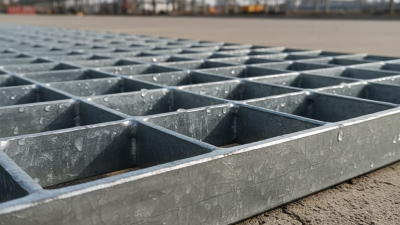
Bar steel grating is a rigid open-floor product made from load-bearing steel bars and smaller cross bars. The bearing bars carry weight. Cross bars hold the structure together. Open spaces allow light, air, water, and debris to pass through.
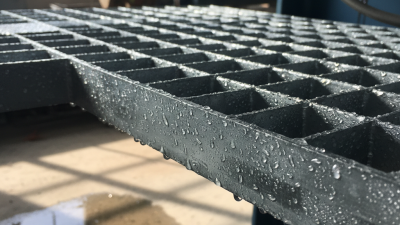
In practical installations, grating appears on factory platforms, drainage covers, stair treads, walkways, and service bridges. A wet plant floor can drain quickly through its rectangular openings. Workers also gain a firm walking surface when the bars include serrated edges. Smooth bars may look cleaner, but they can become slippery around oil or rainwater. That choice deserves careful review.
Selecting grating requires more than checking its appearance. Engineers usually examine span, load, bar size, surface treatment, corrosion exposure, and fixing methods. A qualified supplier should provide load tables, material information, and dimensional records. Hot-dip galvanized steel often suits outdoor areas, while painted steel may fit controlled indoor environments. Yet no coating lasts forever. Poor drainage, trapped dirt, and damaged edges can shorten service life. I have seen small installation gaps create movement and noise under foot traffic. Careful measuring and regular inspection prevent many avoidable problems. Safety depends on details.
China Top 10 Bar Steel Grating Suppliers? - What Is Bar Steel Grating and Where Is It Used?
A practical comparison of commonly specified bar steel grating configurations, materials, standards, and application environments. Supplier and brand names are intentionally excluded.
Specification note: Bar steel grating is a load-bearing panel made from parallel bearing bars joined by perpendicular cross bars. Actual load capacity depends on bearing-bar depth, thickness, span, spacing, support conditions, deflection limits, and the applicable project standard. Typical references include ANSI/NAAMM MBG 531, ASTM A123/A123M for hot-dip galvanizing, and EN ISO 14122-2 for permanent means of access.
How to Evaluate Chinese Bar Steel Grating Suppliers
China’s Top 10 Bar Steel Grating Suppliers?
How to Evaluate Chinese Bar Steel Grating Suppliers
A supplier list is only a starting point. China produced about 1.019 billion tonnes of crude steel in 2023, according to the World Steel Association. Large output does not guarantee accurate grating. I would examine factory experience, production control, and export records before comparing prices. Request recent project photos, mill certificates, welding procedures, and dimensional inspection reports. Ask whether the factory or a trading company will issue the contract.
Check each panel’s bearing-bar size, cross-bar spacing, flatness, and weld quality. A digital caliper should confirm dimensions at several points, not only one sample. ISO 9001 can support process control, but certification alone proves little. Verify its certificate number and scope. For galvanized grating, compare coating records with ISO 1461 requirements. The American Galvanizers Association reports that coating thickness strongly affects service life, especially in corrosive environments. Ask for independent thickness readings.
Sample approval matters.
A reliable supplier should explain steel grade, tolerances, load capacity, packaging, and replacement procedures in writing. ASTM and EN references must match the actual drawing. Do not accept vague phrases such as “heavy duty.” Obtain a signed load table. The World Steel Association’s 2024 industry data also shows China remains the largest steel-producing country, but scale can hide differences between workshops. I would audit one finished batch before placing a large order. This costs time. It may prevent expensive mistakes. My own evaluation would remain cautious when test data looks unusually perfect.
China’s Top 10 Bar Steel Grating Suppliers
China’s Top 10 Bar Steel Grating Suppliers
China remains a major sourcing base for bar steel grating, supported by its large steelmaking and fabrication capacity. The World Steel Association reported that China produced about 1,005 million tonnes of crude steel in 2024, representing over half of global output. This scale supports competitive supply, but volume alone does not prove quality.
A credible top-ten supplier list should examine load-bearing design, welding consistency, galvanizing thickness, and delivery records. Buyers should request drawings, material certificates, and batch inspection results. Common references include GB/T 700 for carbon steel, GB/T 13912 for hot-dip galvanizing, and ASTM A123 when international specifications apply. Look closely at the details. A clean weld matters.
The strongest suppliers usually offer serrated or plain bearing bars, custom panel sizes, stair treads, and corrosion-resistant finishes. Their workshops should show calibrated cutting machines, controlled welding stations, and traceable inspection records. ISO 9001 certification can support process reliability, though it cannot replace product testing. Supplier rankings can still mislead when they rely only on export volume or online visibility. A better review compares five-year experience, project references, production capacity, packaging protection, and after-sales response. I would also verify current capacity before signing. Factory photos age quickly, and promised lead times sometimes change during peak construction seasons.
Products, Standards, and Manufacturing Capabilities
China’s top 10 bar steel grating suppliers are often compared through products, standards, and manufacturing capabilities. Common products include welded grating, pressure-locked grating, serrated grating, stair treads, trench covers, and removable platforms. Serrated surfaces can improve grip in wet work areas. Galvanized steel suits outdoor service, while stainless steel supports chemical or hygienic environments.
Standards should match the project, not just appear on a quotation. Many manufacturers reference YB/T 4001.1 for steel grating design and fabrication. Hot-dip galvanizing may follow GB/T 13912 or ASTM A123, depending on the buyer’s specification. Flat bar size, cross-bar spacing, bearing direction, and load span must be checked together. Fit matters. A grating panel can meet a standard and still fail to fit an existing frame.
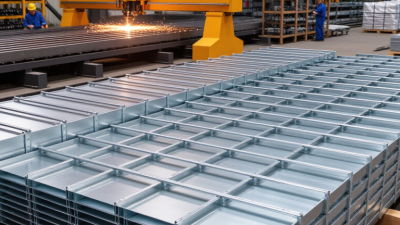
Reliable factories usually control steel sourcing, CNC cutting, resistance welding, surface treatment, and final inspection in documented steps. Look for dimensional reports, weld checks, coating-thickness records, and load-test evidence. Some suppliers can produce panels from standard carbon steel, low-alloy steel, or stainless grades. They may also provide custom cutouts, toe plates, hinges, and supports. Records matter.
However, manufacturing claims deserve practical verification. Factory photographs can hide production gaps. I would request recent samples, tolerance data, and packaging details before approval. Even experienced suppliers sometimes overlook drainage openings or site measurement changes. That weakness is worth discussing early, not after installation. A serious supplier should explain limitations clearly and revise drawings when field conditions demand it.
China Top 10 Bar Steel Grating Suppliers — Products, Standards & Manufacturing Capabilities
The chart presents ten commonly specified bearing-bar height options used in welded and press-locked steel grating. These dimensions are industry-standard product choices rather than a company ranking, allowing supplier capabilities to be compared without displaying company or brand data.
Typical product formats include welded, press-locked, serrated, plain, stair-tread, trench-cover, and heavy-duty grating. Common reference standards include YB/T 4001.1 for steel bar grating, GB/T 13912 and ISO 1461 for hot-dip galvanizing, ASTM A36 for structural steel, and ASTM A123 for galvanized coatings. Actual load capacity depends on bearing-bar size, spacing, span, material grade, and surface treatment.
How to Select the Right Supplier for Your Project
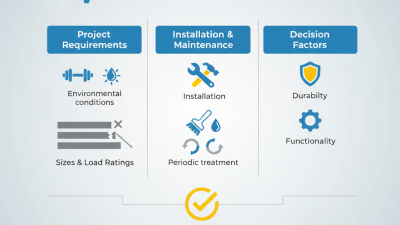
Selecting among China’s top 10 bar steel grating suppliers requires more than comparing prices. Begin with the project conditions. Check platform loads, span lengths, vehicle traffic, drainage needs, and exposure to moisture or chemicals. A supplier should recommend bearing bar sizes and spacing based on calculations, not guesswork.
Ask for material certificates, welding procedures, dimensional tolerances, and surface-treatment details. Galvanized grating needs consistent zinc coverage, especially around welds and cut edges. Confirm whether the factory can produce the required panel dimensions, serrated surfaces, stair treads, and custom openings. Sample panels can reveal uneven welds, sharp edges, or poor finishing before a large order begins.
Look beyond the quotation. Review production capacity, inspection records, export packaging, and delivery controls. Traceable heat numbers and inspection reports improve accountability. A factory audit or live video inspection is useful, but neither replaces independent quality checks when the project is critical. Keep communication technical and written.
Cheap offers can hide extra cutting, weak packaging, or delayed documentation. This happens more often than expected. A practical comparison should include total landed cost, replacement risk, and installation effort. I would also test response quality: can the supplier explain load tables clearly, identify design risks, and admit limitations? No supplier is perfect. A confident answer may still need verification. Choose the partner whose evidence matches your drawings, site conditions, and acceptance requirements.