Top Tips for Choosing the Best Plastic Floor Grating?
When it comes to choosing the best Plastic Floor Grating, expert insights can guide critical decisions. John Smith, a leading figure in the plastic materials industry, states, "The right grating is crucial for safety and efficiency in any project." His expertise emphasizes the importance of selecting appropriate materials.
Plastic Floor Grating offers unique advantages, including resistance to corrosion and lightweight properties. However, not all products are created equal. Buyers must consider factors like load-bearing capacity, maintenance requirements, and environmental conditions. Choosing the wrong grating can lead to safety hazards.
Reflecting on this, it's clear that many still overlook essential details. Aesthetic appeal might attract attention, but functionality should come first. Evaluating a grating’s design and suitability remains vital for long-term satisfaction. The selection process can be daunting, yet informed choices will lead to effective results.
Understanding the Different Types of Plastic Floor Grating Materials
When selecting plastic floor grating, understanding the various materials available is crucial. Common types include fiberglass reinforced plastic (FRP), polyvinyl chloride (PVC), and polypropylene. FRP offers high strength and corrosion resistance, making it ideal for industrial settings. Reports indicate that FRP can withstand load-bearing capacities of up to 2,500 pounds per square foot, a vital factor in heavy-duty applications. Conversely, PVC is lighter and easier to install, suitable for residential and light commercial use, though it may not have the same longevity as FRP.
Tips for choosing the right material include considering your environment. For wet or chemical-prone areas, FRP shines due to its resistance to deterioration. PVC might suffice for dry, indoor applications, but consider its potential for wear over time. A professional assessment can guide your choice based on the specific conditions and required load capacities.
Additionally, think about maintenance needs. FRP generally requires less upkeep than other materials, potentially saving costs over time. However, its initial investment may be higher. Each material has strengths and weaknesses. Understanding these nuances can lead to better choices. It's essential to evaluate the long-term implications of your selection to ensure it meets your needs over time.
Top Tips for Choosing the Best Plastic Floor Grating
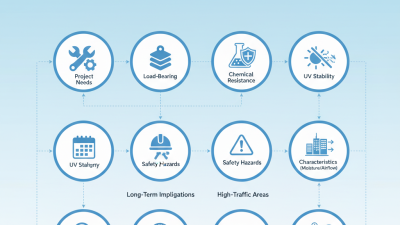
This chart illustrates the durability scores of various types of plastic floor grating materials. When choosing the best plastic floor grating, consider the material's durability, as it is essential for long-term performance and maintenance.
Key Considerations for Load-Bearing Capacity in Floor Grating
When selecting plastic floor grating, load-bearing capacity is crucial. It determines how much weight the grating can support without deforming or failing. Different applications require varying load capacities. For instance, industrial areas may need stronger grates than residential spaces. Analyzing the expected load is essential in preventing future issues.
Material composition affects load-bearing strength. Plastic composites may differ in performance. Manufacturers often provide specifications, but not all documents are clear. It's vital to research materials to ensure they meet specific needs. Also, environmental factors like temperature and UV exposure may impact durability, leading to unexpected results over time.
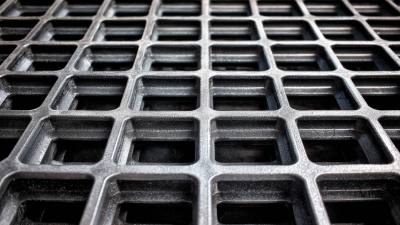
Another factor to consider is the design of the grating. Different patterns and thicknesses can influence both aesthetics and capacity. Some designs are more robust but may not fit well in all spaces. Balancing appearance and function is a challenge. In the end, informed choices come from careful examination of both specifications and real-world applications.
Evaluating Durability and Weather Resistance of Plastic Grating
When selecting plastic floor grating, durability and weather resistance are crucial. They determine how well the material holds up against environmental factors. Rain, sunlight, and temperature fluctuations can all affect the longevity of plastic grating. Therefore, assessing these aspects before making a decision is essential.
One approach is to look for UV-resistant features. This ensures that the material will not warp or fade under sunlight. Additionally, moisture resistance helps in maintaining the integrity of the grating in wet conditions. Testing samples for flexibility can also be beneficial. Rigid materials may crack more easily, while more flexible designs often retain their shape.
Consider the material's weight-bearing capacity. This is vital for any grating to ensure safety and functionality. Also, research how different plastics perform in extreme weather. Some may become brittle in cold temperatures, while others can soften in excessive heat. These factors greatly influence the effectiveness of your choice in practical scenarios. By not fully understanding these elements, you risk frequent replacements.
Factors Influencing Cost and Budget for Plastic Floor Grating
When selecting plastic floor grating, understanding cost factors is essential. Many elements influence the price, such as material quality, design complexity, and manufacturing processes. High-quality materials might seem expensive but offer better durability and safety. Cheaper options can lead to frequent replacements, resulting in higher long-term costs.
Installation expenses also play a significant role. If the grating is difficult to install, it may require more labor hours. This can increase the overall budget. Additionally, consider the location where the grating will be used. Areas with heavy foot traffic may need stronger options. This choice affects both upfront costs and the lifespan of the product.
Don’t forget maintenance costs. Some types of plastic grating need more upkeep than others. It’s worth researching which styles require minimal cleaning or repairs. This can save time and money in the long run. Reflecting on these aspects ensures you select the right product for your needs, balancing quality and budget.
Installation and Maintenance Tips for Long-Lasting Performance
When selecting plastic floor grating, proper installation and maintenance are critical for longevity. Research indicates that poorly installed grating can lead to safety hazards and increased costs. According to industry reports, approximately 30% of flooring issues stem from inadequate installation practices. Ensuring a level surface and secure anchoring during installation can greatly enhance durability and performance.
Maintenance is equally essential. Regular cleaning prevents debris buildup, which can lead to slips or falls. Data shows that maintaining clean grating can reduce wear and tear by up to 50%. Inspecting for damage, such as cracks or warping, should be part of routine checks. Unlike metals, plastic grating may not show visible signs of wear immediately, making consistent inspection necessary. Ignoring small issues can lead to larger repairs down the line.
Environmental factors also play a role. Exposure to extreme temperatures and UV light can degrade plastic materials over time. Utilizing UV-resistant products can significantly extend the life of plastic grating. Understanding the specific environmental conditions in your area aids in selecting both the appropriate material and maintenance practices. Keeping these considerations in mind can help ensure a safer, more durable flooring solution.