10 Essential Tips for Choosing Plastic Floor Grating for Your Project?
When it comes to selecting the right flooring for industrial and commercial spaces, "Plastic Floor Grating" emerges as a popular choice. Its lightweight yet durable design makes it a practical option for various applications. Many projects benefit from its versatility, especially in areas that require quick drainage and airflow. However, not all plastic grating products are created equal.
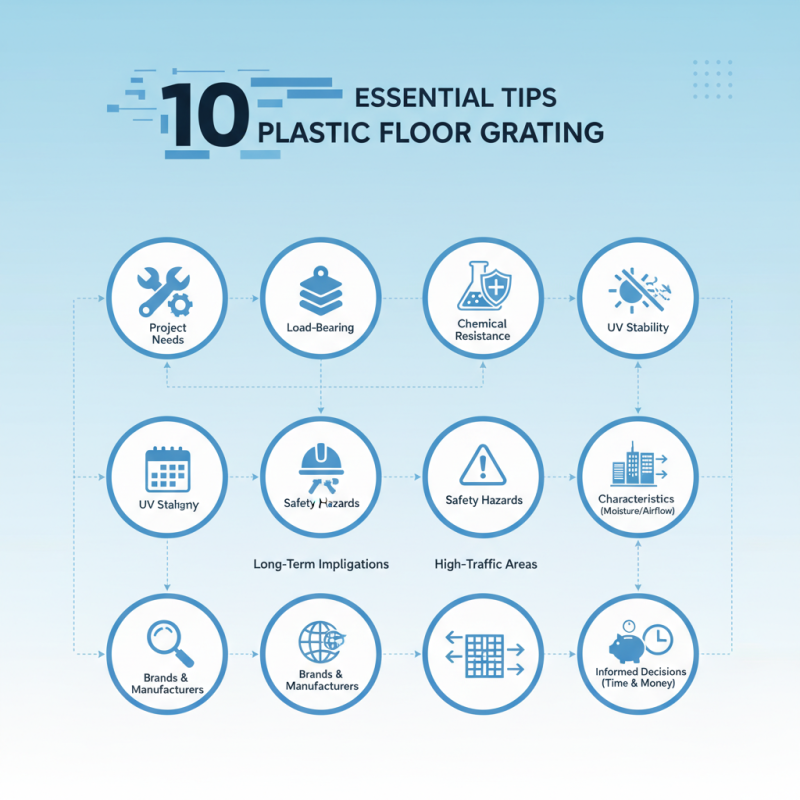
Choosing the right plastic floor grating involves careful consideration of several factors. You must evaluate the specific needs of your project, including load-bearing requirements, chemical resistance, and UV stability. Professionals often overlook the long-term implications of their choices. This oversight can lead to premature wear or safety hazards later on. It's crucial to address these issues before making a purchase.
Understanding the characteristics of different plastic materials is essential. Some products may be better suited for moist environments, while others excel in high-traffic areas. Exploring various brands and manufacturers can help uncover hidden gems. Informed decisions can save you time and money in the long run. Being diligent about research can lead to finding the ideal plastic floor grating for your needs.
Understanding the Different Types of Plastic Floor Grating Materials
When selecting plastic floor grating for your project, it’s important to understand the various types of materials available.
Polypropylene, polyvinyl chloride (PVC), and fiberglass-reinforced plastic (FRP) are three common options.
Each material has distinct properties that can affect durability and performance. For instance, polypropylene is known for its chemical resistance and affordability,
making it suitable for industrial settings with chemical exposure. According to recent industry reports, FRP offers superior strength-to-weight ratios, ideal for applications requiring high load-bearing capacity.
Consider the environment where the grating will be installed. Will it be exposed to sunlight?
Certain plastics can degrade under UV light. PVC, while economical, may not withstand prolonged exposure to harsh weather.
For areas exposed to heavy foot traffic, choosing the right combination of slip resistance and load capacity is critical.
When choosing, keep these tips in mind. Assess your specific needs and the conditions of your project.
Always seek materials that align with your long-term goals. Investigate various suppliers to find reputable options.
Aiming for high-quality materials can prevent future replacements. Balancing cost and performance is essential for this investment.
Ensure that the chosen grating meets industry standards for safety and durability.
Factors to Consider for Load-Bearing Capacity of Plastic Grating
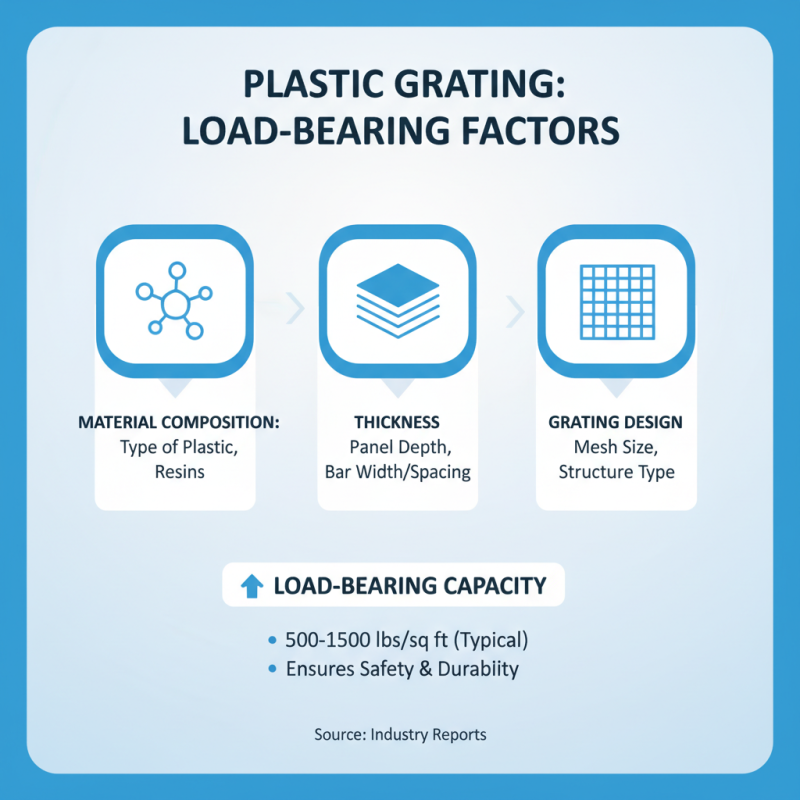
When selecting plastic floor grating, load-bearing capacity is a crucial factor. It defines how much weight the grating can support without failure. Many industry reports indicate that a typical plastic grating can bear between 500 to 1,500 pounds per square foot. This variance depends on numerous factors, including material composition, thickness, and grating design. Choosing the right specifications ensures safety and durability.
Consider the environment where the grating will be installed. If it will face heavy machinery or foot traffic, a higher load capacity is necessary. For instance, data suggests that grating installed in industrial settings should withstand at least 1,000 pounds per square foot. In contrast, light commercial applications may require only half that capacity. The interplay of safety factors and environmental stressors must guide your decision-making process.
It’s important to analyze specific project requirements. A common oversight is neglecting how temperature fluctuations affect performance. Some plastics lose strength in heat, while others become brittle in cold. Assessing these aspects can prevent costly mistakes. Relying on generic data may not suffice. Each project has unique challenges demanding careful analysis and understanding of load-bearing limits.
Evaluating Durability and Weather Resistance in Plastic Grating Choices
When selecting plastic floor grating for your project, assessing durability and weather resistance is crucial. A variety of plastic compounds are available, but not all withstand harsh conditions. Look for materials that can endure UV exposure. Some plastics become brittle over time; avoiding them can save you money in the long run. Reinforced options often provide better stability, especially in regions with extreme temperatures.
Weather resistance should be a priority, particularly in outdoor applications. Check the grating's resistance to moisture and chemicals. Some may warp or degrade when exposed to harsh elements. It’s essential to consider the local climate. For example, heavy rainfall or snow can impact your material choice significantly.
Opt for grating that has undergone rigorous testing. Industry standards can offer insights into performance. However, always analyze the specific needs of your project. Not every grating option will fulfill all requirements perfectly. A thought-provoking choice often leads to better results, even if it means investing more time in research. Take the time to weigh these factors carefully.
Durability and Weather Resistance Evaluation of Various Plastic Floor Gratings
Assessing Slip Resistance for Safety in Plastic Floor Grating Selection
When selecting plastic floor grating, assessing slip resistance is crucial. Slip accidents can result in severe injuries, so understanding materials and textures is essential. Look for products that feature a surface texture promoting grip. Raised patterns or grooves can enhance traction, particularly in wet or oily environments.
Measuring slip resistance can involve various testing methods. The Coefficient of Friction (COF) is a standard measure used to determine safety. A higher COF indicates better resistance to slipping. However, be cautious; some testing methods may not reflect real-world conditions, leading to potentially misleading results. Always consider the specific environment where the grating will be installed, as this directly impacts performance.
Evaluating the grating in situ also brings valuable insights. Observing how it performs in everyday conditions can highlight unexpected issues. Regularly assessing the grating's condition is important, as wear and tear can degrade its slip resistance over time. Assessing environmental factors, such as moisture levels and types of footwear used, can help tailor your selection process effectively.
Cost Analysis and Budgeting for Your Plastic Flooring Project
When planning a plastic flooring project, budgeting is crucial. The average cost of plastic floor grating varies significantly, typically ranging from $2 to $10 per square foot, depending on factors like material quality and design. Reports suggest that the long-term cost-effectiveness of plastic flooring may exceed that of traditional materials. Maintenance costs can drop by 30% over time, making it a financially sound choice.
Evaluating the total cost also involves installation expenses. Some projects incur additional labor costs, which can be about 20% of total spending. It's essential to factor in this aspect while planning. Industry data indicates that miscalculating installation costs can lead to budget overruns. Regular market assessments and getting quotes from multiple contractors can mitigate this issue.
Manufacturers highlight the importance of lifecycle costs in their reports. While the initial investment may seem high, the durability of plastic materials can lead to significant savings. A study found that plastic grating can last up to 25 years with minimal maintenance, a factor often overlooked in budgeting. Reflecting on both upfront and long-term financial implications is necessary for a successful project outcome.