What is Plain Grating and How Can It Benefit Your Projects?
In the world of construction and design, "Plain Grating" plays a crucial role. According to industry expert James Hawthorne, "Plain Grating is essential for both safety and versatility in projects." This statement highlights its importance across various applications.
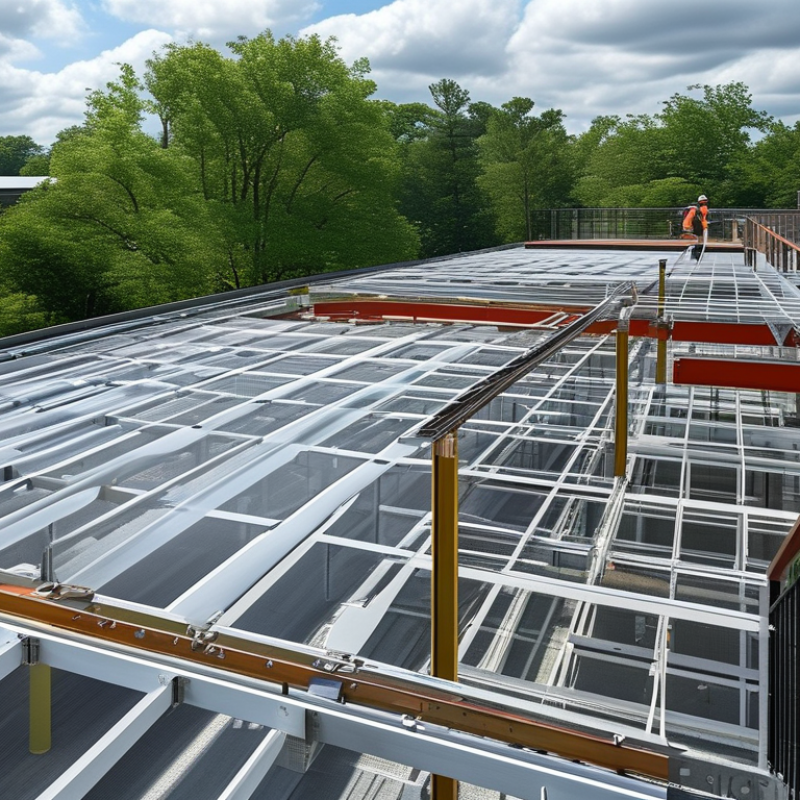
Plain Grating provides an open surface that allows for excellent drainage and airflow. It is commonly used in flooring systems, platforms, and walkways. The material's durability ensures it can withstand heavy loads, making it a preferred choice for industrial settings. However, many still underestimate its benefits.
While Plain Grating offers numerous advantages, it can sometimes be perceived as a simple choice. This perception neglects its design potential. Using Plain Grating effectively can significantly enhance the aesthetic appeal of a project. Thus, understanding its capabilities is vital for architects and builders alike.
What is Plain Grating? Definition and Overview
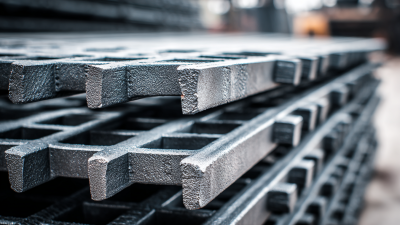
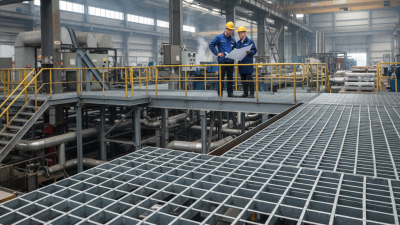
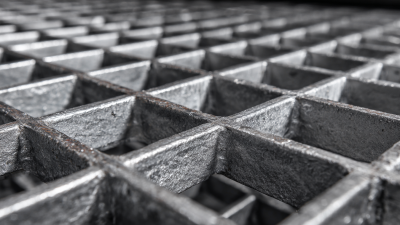
Plain grating refers to a type of flat surface used in various construction and design projects. It consists of metal or plastic bars arranged in a grid pattern. This design allows for strength and flexibility, making it a popular choice for flooring and walkways. The spaces between the bars enable easy drainage and ventilation. This is especially useful in wet or high-traffic areas.
One of the key benefits of plain grating is its durability. It can withstand heavy loads, which is essential for industrial settings. Moreover, its open design minimizes the risk of slipping. However, choosing the right material is crucial. Metal grating can corrode in harsh environments, while plastic grating may not support heavy weights.
Incorporating plain grating into your projects can enhance both functionality and aesthetics. It can be customized in size and thickness, allowing for creative designs. Yet, it is important to consider maintenance. Some materials may require more upkeep than others. Overall, plain grating is a versatile option that can meet diverse project needs.
Types of Plain Grating: Materials and Designs
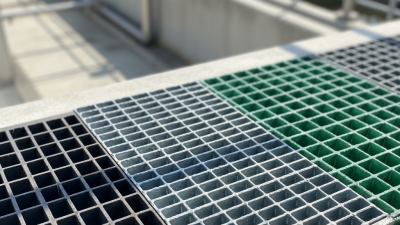
Plain grating comes in various materials and designs, offering unique benefits for numerous projects. Steel grating is widely used for its strength and durability. It can withstand heavy loads, making it ideal for industrial applications. Aluminum grating is lightweight and resistant to corrosion. It is often chosen for environments like marine settings, where rust is a concern.
Fiberglass-reinforced plastic (FRP) grating is another option. It is non-conductive, making it a safer choice in electrical environments. This type of grating is also resistant to chemicals, adding to its versatility. A 2022 report from the Grating Association noted that FRP use increased by 15% in industrial applications over the past three years.
However, not all projects require heavy-duty grating. Some applications might benefit from lighter options. For example, plastic grating can be adequate for walkways in public parks. It's an economical choice, but it may not be as resilient. It's important to consider the specific needs of your project when selecting grating types. Evaluate factors like load capacity and environmental exposure carefully to avoid future problems.
Advantages of Plain Grating for Various Projects
Applications of Plain Grating in Various Industries
Plain grating is a versatile material used across various industries. Its applications range from flooring to walkways, and even industrial platforms. This grating is designed for safe and efficient use in many settings. It provides optimal drainage while maintaining structural integrity.
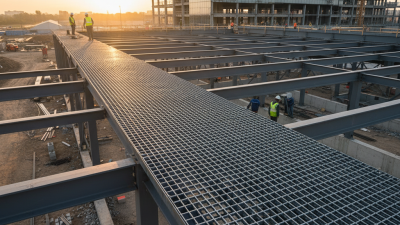
In the construction industry, plain grating is often used for walkways and bridges. These applications require a balance of safety and support. Workers benefit from a slip-resistant surface. However, it’s essential to regularly check for wear and tear. Sometimes, the grating can become less effective due to rust or damage.
In the chemical and food processing industries, plain grating plays a crucial role. It allows for easy cleaning and minimizes contamination risks. Make sure to select the right materials to fit your specific environment. Observing local regulations and best practices is vital.
Tips for maintaining plain grating include inspecting it regularly for any signs of corrosion. Ensure that it remains free from debris and spills that could cause hazards. Replacing damaged sections can prevent bigger issues down the line. This proactive approach will enhance safety and durability.
Advantages of Using Plain Grating for Your Projects
Plain grating is increasingly recognized for its versatility in construction and industrial projects. It offers several advantages that can enhance functionality and efficiency. According to industry reports, plain grating can support up to 50% more weight than similar materials, making it suitable for heavy-duty applications. Its design allows for better drainage, minimizing water buildup, which can prevent corrosion in specific environments.
The lightweight nature of plain grating also contributes to labor cost savings. Projects report reduced installation times by as much as 30% compared to heavier materials. Moreover, its open design allows for easy access to utilities beneath it. This aspect facilitates maintenance and reduces downtime, boosting overall project productivity.
Despite these benefits, some projects may overlook plain grating. It requires careful selection based on the specific load and environmental conditions. A proper assessment of project needs is essential to avoid issues with durability or performance. Not considering these factors can lead to costly adjustments or replacements down the line.
Installation and Maintenance Tips for Plain Grating
Plain grating is essential in various construction and industrial projects. Its simplicity offers effectiveness, but proper installation and maintenance are critical.
When installing plain grating, ensure a level surface. According to a report from the American Institute of Steel Construction, misalignment can lead to structural issues and safety hazards. Using corrosion-resistant fasteners is vital. These fasteners prolong the grating's lifespan, reducing long-term costs. Pay attention to load capacities specified by manufacturers, as overloading can compromise performance.
Regular maintenance helps prevent potential dangers. Inspections should be done quarterly. Look for signs of wear, rust, or deformation. A survey by the National Safety Council revealed that improper maintenance of grating contributes to 30% of workplace accidents. Addressing these issues proactively minimizes risks.
Cleaning the grating regularly is also beneficial. This eliminates debris that can cause slips or blockages. Just a small investment of time can yield significant safety improvements in your projects.