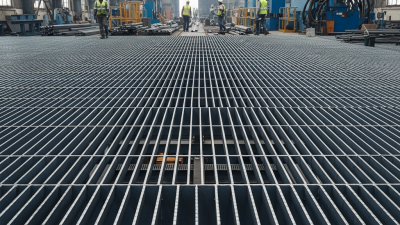
How to Determine the Weight of Galvanized Steel Grating?
When discussing the Galvanized Steel Grating Weight, precise calculations are essential for various industrial applications. As stated by expert John H. Richards, “Understanding the weight of galvanized steel grating enhances structural integrity and safety.” This insight showcases the importance of accurate weight assessment in construction and manufacturing.
Industry reports indicate that the average weight of galvanized steel grating can vary based on thickness, height of the bearing bars, and spacing between them. According to a recent study published by the Steel Grating Association, grating weights typically range from 3 to 20 pounds per square foot. This variation underscores the need for engineers to choose the correct specifications for their projects.
Determining weight can be complex. Miscalculations may lead to structural issues. It’s crucial to account for factors like installation method and load capacity. Hence, industry professionals must seek reliable data. Understanding the nuances of Galvanized Steel Grating Weight is not just about figures; it’s about ensuring safety and performance in every application.
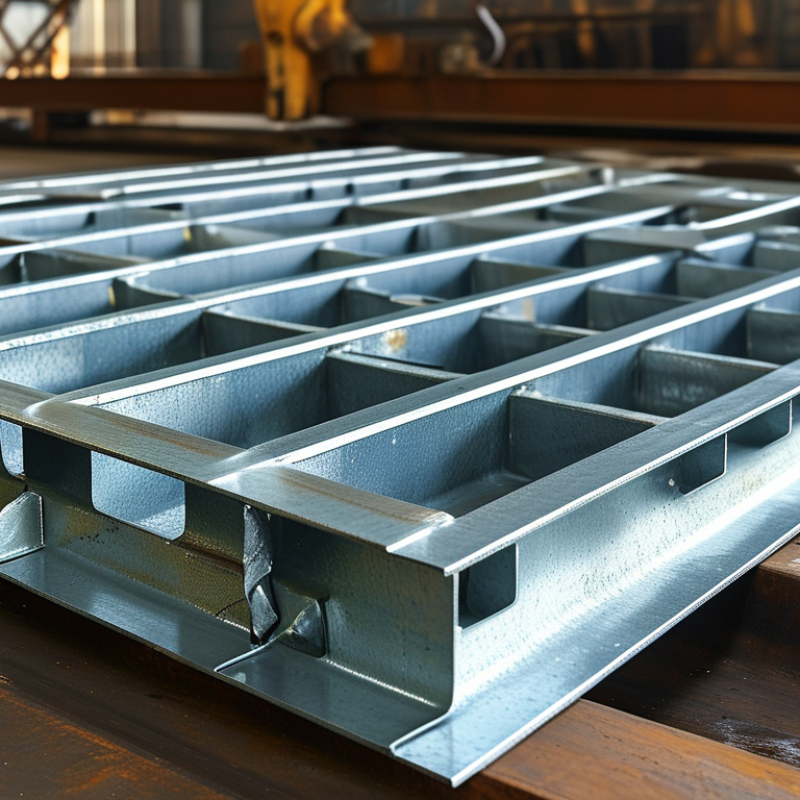
Understanding Galvanized Steel Grating: An Overview
Galvanized steel grating is a versatile material used in various applications. It is made by coating steel with zinc to prevent rust and corrosion. This protective layer enhances durability, making it ideal for both indoor and outdoor use. Common applications include walkways, platforms, and drainage covers.
When considering galvanized steel grating, it's crucial to understand its composition and specifications. The weight can vary based on thickness and type of steel used. Generally, heavier gratings provide more strength but can also be more cumbersome to handle. Understanding load capacities is essential. This helps in choosing the right grating for specific projects. However, navigating these details can be overwhelming for beginners.
Moreover, there are environmental concerns surrounding galvanized steel production. Zinc mining can impact ecosystems if not managed properly. This aspect often gets overlooked. It's vital to stay informed about sustainable practices in the industry. These reflections on material use are essential for responsible decision-making. Knowledge helps you select the best options not just for strength but for the planet as well.
Factors Influencing the Weight of Galvanized Steel Grating
When determining the weight of galvanized steel grating, various factors come into play. One significant factor is the type of steel used. For instance, a standard galvanized steel grating typically weighs between 30 to 50 pounds per square foot, depending on its thickness and design. The thickness of the grating directly influences its weight; thicker grating results in increased weight and durability. Mild steel grating is often lighter than its heavy-duty counterparts.
Another important factor is the spacing of the bars. Gratings manufactured with closer bar spacing are generally heavier. A steel grating with 1.5-inch spacing can weigh significantly more than one with 3-inch spacing. According to the American Institute of Steel Construction, variations in bar sizes and spacing can lead to weight differences of approximately 15% to 20%.
It's crucial to also consider the type of surface treatment. Galvanization adds a protective layer, which can slightly increase the weight. Measurement inaccuracies during the manufacturing process can lead to discrepancies in weight. While general data can guide estimations, always consult specific product specifications for precise determinations. In real-world applications, engineers often round weights to account for variables, emphasizing the need for careful consideration.
Calculating the Weight: Key Measurements and Formulas
When calculating the weight of galvanized steel grating, key measurements are essential. Understanding the thickness of the grating and the spacing between bars is crucial. These two factors directly affect the overall weight. Use a steel grating thickness gauge to measure accurately. Measurements must be precise to ensure reliable calculations.
To find the weight, a common formula is used: weight = volume × density. First, calculate the volume by multiplying the area of the grating by its thickness. Next, find the density of galvanized steel. It generally ranges from 490 to 800 pounds per cubic foot. This variation in density adds a layer of complexity to the calculation.
Sometimes, discrepancies can arise in results. These might relate to measurement errors or miscalculations in density. It’s important to double-check each figure. Taking the time to verify details helps ensure accuracy. When you approach these calculations, consider variations in design and application. Each unique installation may require adjustments to your calculations. Accuracy is not just a goal; it’s a necessity in obtaining reliable results.
How to Determine the Weight of Galvanized Steel Grating?
| Grating Size (inches) |
Material Thickness (inches) |
Weight per Square Foot (lbs) |
Weight of a 4'x8' Sheet (lbs) |
| 24 x 48 |
0.125 |
5.00 |
160 |
| 30 x 60 |
0.1875 |
7.00 |
210 |
| 36 x 72 |
0.25 |
8.50 |
255 |
| 48 x 96 |
0.3125 |
10.00 |
320 |
| 60 x 120 |
0.375 |
12.00 |
480 |
Common Applications and Their Weight Requirements
Galvanized steel grating is widely used in various industrial applications. Its weight can vary significantly based on design and usage. Industries often request specific weight capacities to ensure safety and functionality. For instance, heavy-duty applications such as oil rigs require grating that can support loads upwards of 1,500 pounds per square foot. This is crucial for the safety of workers.
In contrast, lighter applications like flooring in commercial buildings demand less load-bearing capacity. These types may only need to support 500 to 600 pounds per square foot. Understanding these requirements assures the selection of appropriate grating. Through industry reports, it is clear that exact weight calculations can impact project budgeting and site safety.
While galvanized steel is durable, its weight can also present challenges. Transport and installation can be cumbersome without proper planning. Many projects face delays due to miscalculations of weight and load-bearing needs. It’s essential for engineers to evaluate both strength and weight when choosing materials, as misunderstandings can lead to costly mistakes.
Tips for Accurate Weight Determination and Measurement Techniques
When determining the weight of galvanized steel grating,
accurate measurement techniques are crucial.
Start with a reliable scale. Ensure that it is calibrated correctly. A digital scale can provide precise results.
Measure a small section first. This gives a good idea of how much the entire piece weighs.
Next, consider the dimensions of the grating. Measure the
length, width, and height.
Calculate the volume using these dimensions. Knowing the density of galvanized steel helps convert volume into weight.
Remember, different gauges of steel will have different weights.
Pay attention to this detail.
It's also helpful to account for imperfections in the material.
Sometimes, grating can have slight variations in thickness. This can affect overall weight.
Document any discrepancies you find. Being meticulous allows for better results.
Regularly review your measuring techniques to improve accuracy.
Small changes can lead to more reliable data.