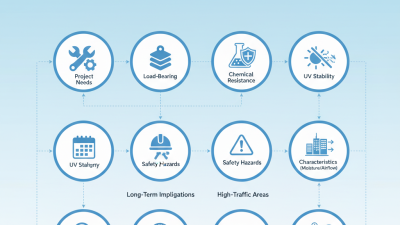
Choosing the right Black Grating affects safety, airflow, appearance, and long-term maintenance. It is not simply a color decision. Material, load capacity, surface finish, opening size, and installation environment all matter.
Recent market research supports this practical view. Grand View Research’s Steel Grating Market Report identifies construction, industrial platforms, walkways, and drainage systems as major application areas. The report also highlights continuing demand for durable, corrosion-resistant products. MarketsandMarkets’ analysis of the architectural coatings sector points to performance, weather resistance, and lifecycle value as important specification factors. These findings suggest that a black finish should support the project’s function, not hide weak engineering.
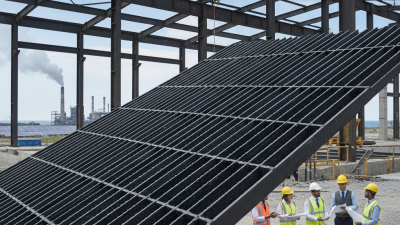
Begin with the actual conditions. A pedestrian walkway may need serrated bearing bars for wet footwear. A ventilation screen may require wider openings and lower visual obstruction. Outdoor installations need protection against moisture, ultraviolet exposure, and temperature changes. Steel, aluminum, and fiberglass grating behave differently under these stresses. Powder coating can provide a clean architectural appearance, but it may not replace proper corrosion protection in severe environments.
Check the numbers.
Compare supplier load tables with applicable standards, such as ANSI/NAAMM recommendations for metal bar grating and ASTM coating or material test methods. Ask for documentation covering alloy, weld quality, coating thickness, slip resistance, and tolerances. My experience with specification reviews shows that small omissions create expensive site changes. I have also seen attractive black panels fade faster than expected when finish selection ignored sunlight and cleaning chemicals. No single product fits every project. A reliable choice balances engineering evidence, visual goals, maintenance access, and the conditions that will exist after installation.
How to Choose the Best Black Grating for Your Project?
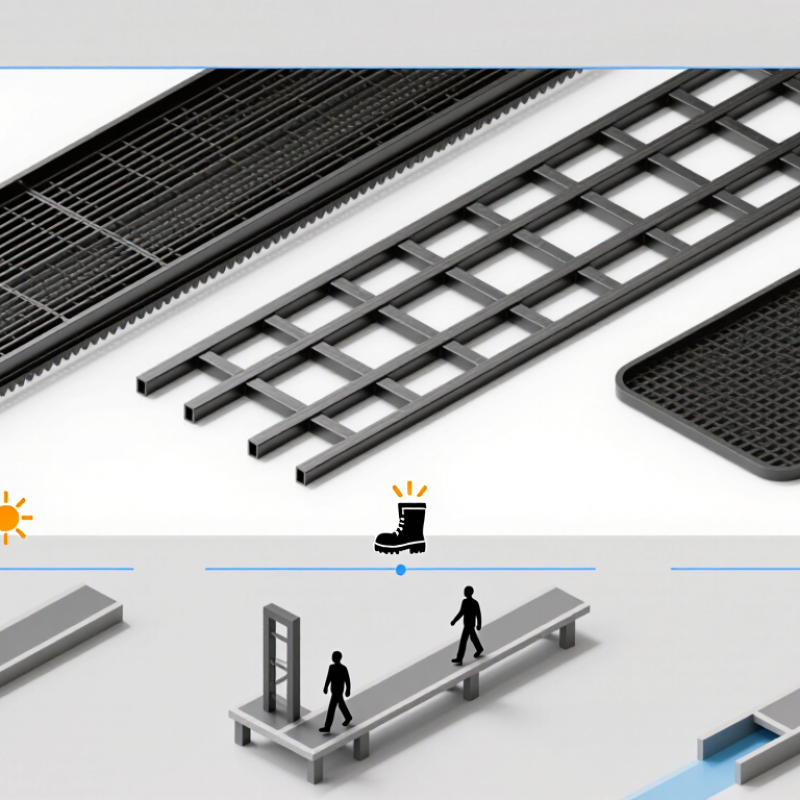
Black grating should be defined by more than its color. Begin with the material. Molded fiberglass suits wet areas because it resists corrosion and provides a stable walking surface. Aluminum offers lighter handling and performs well where moisture is present. Steel supports heavier loads, but its protective treatment needs careful inspection. Recycled polymer grating can work for landscaping, drainage covers, and low-load platforms. Material choice affects weight, stiffness, heat absorption, and service life. I once underestimated how quickly a dark surface could heat under direct sunlight. That detail changed the maintenance plan.
The finish influences both appearance and performance. A textured surface can improve traction near water, while a smooth finish cleans more easily. Check whether the black color comes from pigment, coating, or a surface treatment. Coatings may scratch at cut edges. Dimensions require equal attention. Measure panel length, width, bearing-bar height, and opening size before ordering. Small openings help prevent dropped tools, while larger openings improve drainage and reduce weight. Intended use determines the final balance. A factory walkway needs verified load data; a garden trench may need only drainage and easy trimming.
Tips: Ask for load tables, temperature limits, and chemical-resistance data. Test one sample under real lighting and moisture conditions. Inspect cut edges, fasteners, and support spacing. Do not rely on color alone. It can hide wear. My selection notes sometimes miss cleaning access, which is a useful reminder to review the installation from a technician’s viewpoint.
| Material | Typical Black Finish | Common Dimensions | Load and Performance Characteristics | Recommended Intended Use | Key Selection Considerations |
|---|---|---|---|---|---|
| Mild Steel | Black painted, powder coated, or blackened surface | Panel widths: approximately 600–1,000 mm Panel lengths: approximately 1,000–3,000 mm Typical bearing bar depth: 25–100 mm |
High structural strength and impact resistance. Suitable for heavy-duty pedestrian and industrial loads when correctly engineered. | Factory floors, platforms, stair treads, walkways, machinery areas, and service platforms | Requires effective corrosion protection. Powder coating improves appearance and surface protection, but damaged areas may need repair. |
| Carbon Steel | Black painted, epoxy coated, or chemically blackened surface | Common bearing bar depths: 25, 32, 40, 50, 60, 75, and 100 mm Panel thickness often ranges from 3–10 mm |
Strong, rigid, and economical. Load capacity depends on bearing bar size, span, spacing, and support conditions. | Industrial platforms, heavy equipment zones, drainage covers, and maintenance access areas | Not inherently corrosion resistant. Select a coating system according to humidity, chemicals, outdoor exposure, and maintenance requirements. |
| Stainless Steel | Black PVD, black electrochemical coloring, or black powder coating over a prepared surface | Typical bearing bar depths: 25–50 mm Common panel widths: 500–1,000 mm |
Excellent corrosion resistance when the appropriate stainless-steel grade and finish are selected. Maintains structural performance in demanding environments. | Food-processing areas, commercial architecture, coastal locations, laboratories, and high-visibility installations | Confirm chemical compatibility, cleaning procedures, welding requirements, and whether the black finish must retain color under UV exposure. |
| Aluminum | Black anodized or black powder coated | Typical bearing bar depths: 25–50 mm Common panel widths: 500–1,000 mm |
Lightweight and naturally corrosion resistant. Generally offers lower stiffness and load capacity than steel at comparable dimensions. | Facade screens, ceiling panels, pedestrian walkways, platforms with weight restrictions, and decorative ventilation panels | Use larger sections or shorter spans when higher rigidity is required. Avoid direct contact with dissimilar metals without suitable isolation. |
| Fiberglass Reinforced Plastic (FRP) | Black molded-in color, commonly with a grit top surface | Typical panel sizes: approximately 1,220 × 3,660 mm Common thicknesses: 25–50 mm |
Nonconductive, corrosion resistant, and relatively lightweight. Load performance depends on resin system, grating thickness, span, and surface profile. | Chemical plants, wastewater facilities, marine environments, electrical areas, and wet or slippery locations | Specify resin type, fire-performance requirements, UV resistance, and grit grade. Check deflection limits as well as ultimate load capacity. |
| Ductile Iron | Black bituminous coating, paint, or factory-applied protective coating | Drainage grates commonly use widths of 300–1,000 mm Load classes are selected according to installation location |
Very high compressive strength and excellent resistance to vehicle loads when designed and installed correctly. | Road drainage, parking areas, loading zones, municipal access covers, and heavy-traffic surfaces | Select the applicable load class for pedestrian, parking, roadway, or industrial traffic. Verify frame compatibility and seating stability. |
Choosing black grating requires more than matching its color to the surrounding structure. The bearing-bar size and support span directly affect load capacity, deflection, and user safety. Measure the clear distance between supports, not the overall frame size. A longer span increases bending stress, even when the applied load appears moderate. For walkways, platforms, and access covers, compare the expected load with the manufacturer’s tested load tables. Include people, tools, stored materials, and occasional impact.
Bearing-bar depth usually provides greater stiffness, while thickness improves resistance to concentrated loads. A narrow wheel or equipment leg can create a much higher local force than evenly distributed foot traffic. Check whether the grating uses a plain, serrated, or reinforced surface. Serrated bars may improve traction, but they do not automatically increase structural capacity. Confirm support conditions, panel direction, and fastening details before ordering. A neat calculation can still be wrong if the bars run across the wrong span.
Tips: Use the actual support spacing in your calculation. Then add a practical allowance for vibration and unexpected loading. Avoid selecting a panel only because it looks heavy. I have seen oversized grating installed where a smaller section worked, increasing cost and handling effort. I have also seen light panels chosen for short spans, but point loads caused noticeable deflection. Review the load rating, deflection limit, surface finish, and environment together. Black coatings may hide early wear, so inspect cut edges, welds, and high-traffic areas regularly.
How to Choose the Best Black Grating for Your Project?
Check Opening Size Against the 13 mm ADA Accessibility Limit
A black grating can look sleek, but its opening size matters more than its finish. On an accessible route, floor and ground openings generally must not allow a 13 mm sphere to pass through. This measurement reflects the ADA’s 1/2-inch limit, commonly rounded to 13 mm. Elongated openings should also run perpendicular to the main direction of travel. That orientation helps prevent wheelchair casters, canes, and crutch tips from dropping into the slots.
Measure the actual openings, not only the product description. Coating thickness, cutting, welding, and installation can change the final gap. Use a calibrated ruler or gauge at several points, including joints and corners. A practical site lesson is simple: one compliant panel does not guarantee a compliant walkway. Uneven supports may create wider gaps between panels. They are easy to miss in low light.
Black surfaces can reduce glare, yet they may also hide narrow gaps and dirt buildup. Check the grating under daytime and nighttime conditions. Confirm drainage needs without making the openings unnecessarily wide. Local building rules may be stricter than the ADA baseline, especially around public entrances, ramps, and transit areas. Product data should support your decision, but field verification remains essential. I would also document measurements before handover, because assumptions often fail after installation.
Compare the grating opening size with the ADA accessibility limit. ADA Standards for Accessible Design specify that openings in walking surfaces must not allow the passage of a sphere more than 13 mm (1/2 in) in diameter. Select a grating with an opening at or below 13 mm, and verify that elongated openings are oriented perpendicular to the direction of travel.
Choosing black grating starts with the environment, not appearance. Steel provides high stiffness and strong load capacity, but it is the heaviest option. Moving large panels may require extra workers or lifting equipment. A chipped black coating can expose steel to moisture and start localized rust. For dry indoor platforms, this risk may be manageable.
Aluminum weighs roughly one-third as much as steel. Installers appreciate that difference on rooftops, walkways, and removable access panels. It reduces handling effort and structural demand. However, aluminum can deflect more under heavy loads and may dent during transport. Its oxide layer offers useful protection, but salt spray can still cause surface damage. Black anodizing or a suitable coating needs careful inspection at cut edges.
Stainless steel offers the strongest corrosion resistance among these choices. It performs well around washdown areas, coastal air, and chemical moisture. It is also heavier than aluminum, while its higher material cost can affect large projects. Do not select it only because the finish looks premium. Check the alloy grade, span, load rating, and fastener compatibility. Galvanic corrosion can appear when dissimilar metals touch in wet conditions. A practical mistake is judging durability from a new black surface alone. Inspect corners, welds, and drainage points after installation. Even excellent material needs proper detailing.
How to Choose the Best Black Grating for Your Project?
Black grating is not defined by color alone. The coating specification matters more. For interior platforms, powder coating can provide a clean, uniform finish with strong color control. However, outdoor walkways face moisture, salt, abrasion, and trapped dirt. These conditions require a documented environment category under ISO 12944.
ISO 12944 supports the selection of protective paint systems, including powder-based systems, according to corrosivity and durability expectations. Specify the exposure class, surface preparation, coating system, dry-film thickness, and testing method. A black finish may hide early damage. Inspect cut edges, welds, and corners carefully. They often fail first.
Hot-dip galvanizing follows ISO 1461 and protects steel through a metallurgically bonded zinc layer. Coating thickness depends on the steel section thickness, so request measured results rather than a vague “galvanized” description. The AMPP IMPACT study estimated global corrosion costs at about US$2.5 trillion annually, equal to roughly 3.4% of global GDP. That figure explains why a low initial price can become expensive. Still, galvanizing is not automatically perfect. Drainage, venting, handling marks, and post-fabrication repairs need review. For severe coastal or industrial exposure, a duplex system—galvanizing plus a compatible ISO 12944 coating—may offer stronger long-term protection, but only when adhesion and repair procedures are verified.