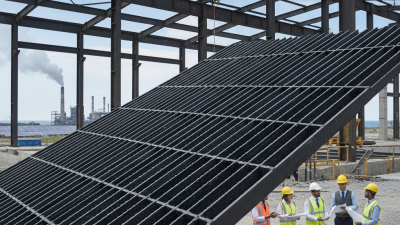
Why Black Grating is Essential for Modern Industrial Applications?
Black Grating plays a critical role in modern industrial applications. Its strength and versatility make it a preferred choice in various sectors, including construction and manufacturing. Industry expert Dr. Emily Johnson highlights its importance: "Black Grating provides unmatched durability and safety in demanding environments."
Many industries rely on Black Grating for its non-slip surface. This feature enhances safety in workplaces, preventing accidents and injuries. Furthermore, its corrosion-resistant properties ensure longevity under harsh conditions. However, some might underestimate its significance, often opting for cheaper alternatives. This can lead to safety hazards and increased costs over time.
Yet, the adoption of Black Grating is not without challenges. Some companies struggle with varying quality standards. This inconsistency can hinder performance and reliability. The need for awareness about proper installation and maintenance is vital. Ultimately, investing in quality Black Grating can lead to significant long-term benefits.
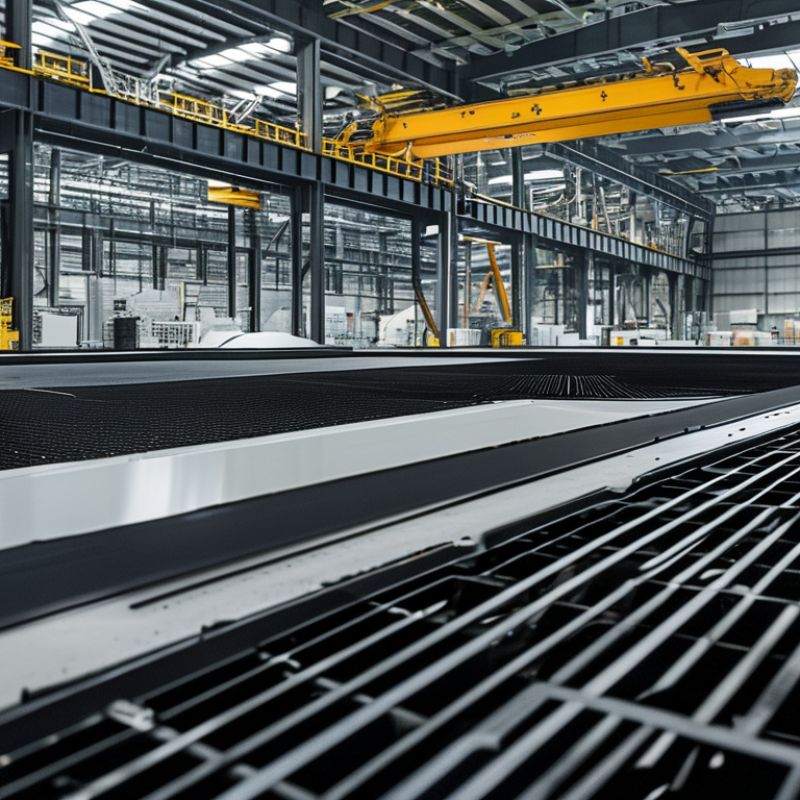
Importance of Black Grating in Industrial Settings
Black grating plays a crucial role in modern industrial settings. This material is vital due to its durability and strength. According to recent industry reports, over 55% of industrial facilities prioritize black grating for safety and efficiency. Its non-slip surface ensures stability in high-traffic areas, reducing the risk of accidents.
Proper installation and maintenance of black grating can significantly prolong its lifespan. Regular inspections are essential. Industry studies show that neglected grating can lose up to 30% of its effective load-bearing capacity over time. This statistic highlights the need for ongoing monitoring.
Tips: Always choose quality materials. Engage professionals for installation to ensure safety. Regularly check for wear and tear, especially in heavy-use areas. Black grating not only enhances operational efficiency but also promotes a safer working environment. Its importance in the industrial sector cannot be overstated.
Key Properties of Black Grating for Enhanced Performance
Black grating has become indispensable in various industrial sectors due to its unique properties. One major advantage is its high load-bearing capacity. According to industry reports, black grating can withstand loads up to 30% greater than standard grating. This enhances safety and efficiency in environments where heavy equipment operates. The material’s anti-slip surface is another critical feature, significantly reducing the risk of accidents in workplaces.
The lightweight design of black grating allows for easy installation and maintenance. A study by the Industrial Safety Foundation highlighted that facilities using black grating reported a 15% decrease in labor costs associated with installation. Moreover, its corrosion resistance contributes to longer service life and less frequent replacements. These qualities make it a smart investment for companies looking to optimize operational costs.
Tip: When selecting black grating, consider the environment it will be used in. Assess factors like chemical exposure and foot traffic to ensure the best choice. Regular inspections can further enhance safety and prolong the material's lifespan. Remember, maintaining high-quality standards can directly impact overall performance.
Applications of Black Grating in Diverse Industries
Black grating has become crucial in various industrial sectors due to its unique properties. This material offers high strength and stability. For example, it is widely used in construction sites, providing reliable surfaces for heavy machinery. The black finish also improves heat absorption, making it suitable for environments with temperature variations.
In the chemical industry, black grating is favored for its corrosion resistance. It withstands harsh chemicals and extends the lifespan of equipment. This durability is vital for maintaining safety standards. Furthermore, in marine applications, black grating reduces the risk of slips and falls. Its textured surface enhances grip, a critical feature in wet conditions.
However, not all black grating performs equally. Some options may not provide adequate weight bearing or can chip easily. This inconsistency can lead to safety risks. Industries should prioritize quality over cost to prevent these issues. Evaluating the right type for specific applications remains a necessary consideration for reliable results.
Comparison of Black Grating with Other Grating Materials
Black grating offers distinct advantages over other grating materials such as aluminum and fiberglass. Its corrosion resistance enhances durability in harsh environments. This is particularly important in industrial settings where exposure to chemicals is common. Black grating does not suffer from issues like rust or degradation over time, making it a reliable choice.
In contrast, aluminum grating, while lightweight, can be prone to corrosion in certain conditions. It may require regular maintenance to ensure longevity. Fiberglass grating is also useful due to its non-conductive properties, but it can be less strong under heavy loads. Both materials present limitations that black grating does not; their structural integrity can falter under stress.
The aesthetic appeal of black grating cannot be overlooked. It blends seamlessly into various industrial designs, providing a sleek, professional look. However, one must consider its weight compared to aluminum, which may impact installation strategies. Each material has its pros and cons, and the best choice depends on specific application needs.
Why Black Grating is Essential for Modern Industrial Applications
Future Trends in Black Grating Technology for Industry
As industries evolve, the importance of black grating technology continues to grow. This material enhances durability and safety in various applications, from factories to walkways. The surface can reduce glare, making it easier to see in dimly lit areas. That’s crucial for worker safety, particularly in environments with heavy machinery.
Recent trends highlight innovations in black grating. New manufacturing techniques are emerging, leading to stronger materials that withstand harsh conditions. Additionally, there is a shift towards eco-friendly production methods. Sustainability is becoming a focal point in industrial design. While these advancements are promising, challenges remain. Not all new materials have been tested for longevity. Companies need to weigh the costs and benefits of adopting these technologies.
Vision for the future includes integrating smart technology into black grating. Sensors could monitor wear and tear, alerting maintenance teams in real-time. However, this requires substantial investment and expertise that some companies might lack. The potential for improved safety and efficiency is clear, but careful implementation is crucial. Balancing innovation with practical application will define the future of black grating in industry.