What is Steel Bar Grating and Its Applications for Buyers?
Steel Bar Grating is a versatile material widely used in various industries. Expert John Smith, a leading authority in architectural design, states, "Steel Bar Grating provides unmatched strength and safety for modern infrastructure." This shows the integral role of Steel Bar Grating in both structural integrity and functional design.
The applications of Steel Bar Grating span many sectors, from construction to manufacturing. It offers excellent load-bearing capabilities. Industries utilize it for walkways, platforms, and staircases, ensuring safe passage. However, choosing the right type can be challenging. Buyers often overlook crucial factors like load ratings and corrosion resistance.
Despite its numerous benefits, some may underestimate Steel Bar Grating’s importance. It is essential to understand the specific needs of your project. Consider factors like foot traffic and environmental conditions before making a decision. Thoughtful selection can lead to enhanced safety and performance in your operations.
What is Steel Bar Grating?
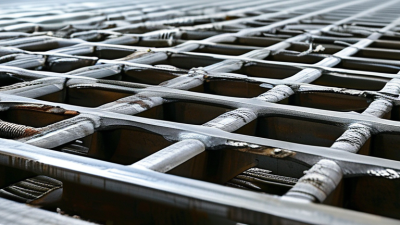
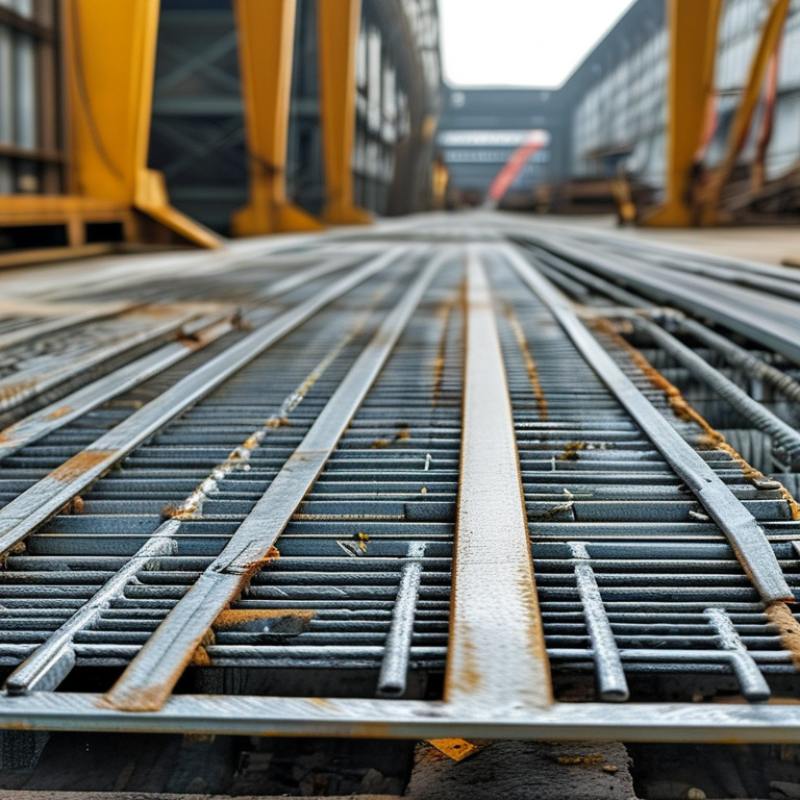
Steel bar grating is a versatile material commonly used in various industrial and commercial applications. It consists of a series of parallel bars, often crafted from steel, and spaced to create a mesh-like structure. This design offers strength while allowing for maximum airflow and drainage. According to a report by the World Steel Association, global demand for steel products, including grating, is projected to grow steadily at a rate of about 2% annually.
The applications of steel bar grating are numerous. It is widely utilized in flooring, walkways, and platforms due to its ability to withstand heavy loads. Industries such as manufacturing, construction, and energy production rely on this material for safety and functionality. Notably, the Occupational Safety and Health Administration (OSHA) emphasizes the importance of using grating in areas where slip and fall hazards exist. However, buyers must be mindful of the quality and specifications of the grating they choose, as not all products meet industry standards, which can compromise safety.
Efficiency and cost-effectiveness are also key considerations for buyers. While steel bar grating can be an upfront investment, its durability often leads to reduced maintenance costs over time. Additionally, some manufacturers offer custom solutions to meet specific project needs. It is crucial for buyers to evaluate the long-term benefits against immediate costs, ensuring that their choices align with both safety standards and budget constraints.
What is Steel Bar Grating and Its Applications for Buyers?
| Property |
Details |
| Material |
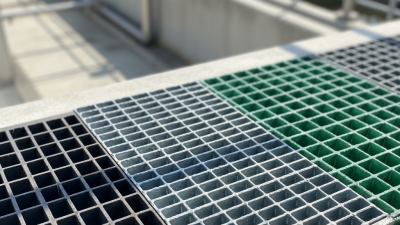
Carbon Steel, Stainless Steel, Aluminum |
| Structure Type |
Open Grid Design |
| Common Sizes |
1" x 1", 1.5" x 1.5", 2" x 2" |
| Load Capacity |
Light, Medium, and Heavy Duty Options |
| Applications |
Walkways, Platforms, Stair Treads, Industrial Flooring |
| Benefits |
Durability, Corrosion Resistance, Versatility, Low Maintenance |
| Custom Options |
Can be fabricated to specific sizes and shapes |
Types of Steel Bar Grating Available in the Market
Steel bar grating is a versatile product widely used in various industries. Its strength and durability make it suitable for walkways, platforms, and stair treads. There are several types of steel bar grating available in the market. Each type serves different needs and environments.
Common types include welded steel grating, which offers excellent strength but can be heavy. Press-locked grating is lightweight and ideal for applications requiring corrosion resistance. I-bar grating has an "I" shaped cross-section, offering superior load-bearing capabilities. This type is often used in heavy machinery areas.
Tips: Consider the load requirements of your project. Choose the grating type that matches your specific needs.
Another option is aluminum grating, known for its lightweight nature and resistance to rust. This is ideal for outdoor applications. Before purchasing, evaluate where the grating will be installed.
Tips: Measure the area accurately to ensure a proper fit. Check for installation guides or professional services if needed.
Key Benefits of Using Steel Bar Grating in Various Applications
Steel bar grating is a versatile material commonly used in various industries. Its design allows for strength and durability while minimizing weight. This makes it an excellent choice for flooring, walkways, and platforms. The open grid structure provides excellent drainage and ventilation.
One key benefit of steel bar grating is its slip resistance. This property is crucial for safety in industrial applications. It reduces the chances of accidents on elevated walkways or ramps, especially in wet or oily conditions. The durability of steel also means it can withstand heavy loads without bending or deformation.
Moreover, steel bar grating is customizable. Buyers can choose different spacing and thicknesses to meet specific needs. This customization can lead to more efficient use of materials. However, it is important to ensure the selected grating matches the required load capacity. A wrong choice could lead to safety hazards. Careful planning is essential for optimum performance.
Common Applications of Steel Bar Grating in Different Industries
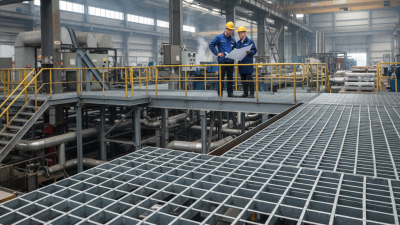
Steel bar grating is an essential component in various industries. Its sturdy construction makes it ideal for flooring, walkways, and even drainage covers. One common application is in industrial environments, where heavy machinery is prevalent. The grating allows for easy movement of equipment while providing a safe walking surface. This ensures both functionality and safety in manufacturing plants.
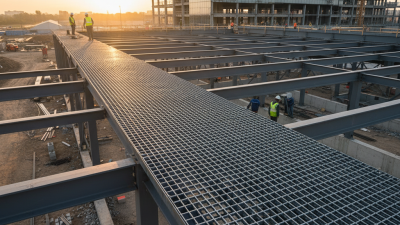
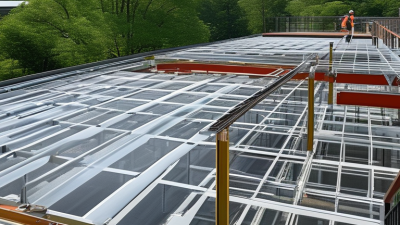
Another important use of steel bar grating is in the construction sector. Here, it aids in ventilation by allowing air and light to pass through. It is often installed in raised flooring systems, offering better access to electrical and plumbing services. This versatility raises questions about its long-term durability in varied climates. Potential buyers should consider corrosion resistance as a crucial factor, especially in outdoor applications.
In commercial settings, steel bar grating enhances public safety. It is frequently utilized in sidewalks and parking structures to prevent slipping. However, proper maintenance is sometimes overlooked. Regular inspections can identify wear before it becomes an issue. Overall, steel bar grating plays a vital role across industries, making it a valuable consideration for any buyer.
Factors to Consider When Purchasing Steel Bar Grating
When considering steel bar grating, buyers should assess several important factors. The material's load capacity is critical. Different applications may require various weight-bearing levels. It's essential to know the specific requirements of your project. Consider the spacing between bars. Closer spacing offers better safety and support for smaller items.
Surface treatment is another aspect to examine. A non-slip surface can enhance safety, especially in wet or oily environments. Durability is paramount. Look for grating that withstands environmental factors, like corrosion or heavy traffic. Think about installation ease as well. Some products may need special tools, which can complicate the process.
Buyers should also reflect on their long-term needs. Will the grating have to support heavy machinery? Or will it be used in a lighter application? This evaluation can impact your choice significantly. Lastly, it can be useful to check the manufacturer's reputation. Feedback from other buyers can offer insights into the grating's actual performance over time.