What is Mill Finish Grating and Why is it Important?
Mill Finish Grating is a critical component in various industrial applications. It refers to a type of grating that has not undergone any finishing processes. This means it retains its raw, uncoated surface. According to a report from the Steel Grating Institute, over 60% of grating used in industrial settings is mill finish. This statistic highlights its widespread acceptance.
The importance of Mill Finish Grating lies in its practical benefits. Its surface is typically more slip-resistant, making it ideal for workplaces. Furthermore, it provides excellent drainage due to its open design. In sectors like manufacturing and construction, durability is vital. Mill Finish Grating offers high tensile strength, making it suitable for heavy loads. Despite its advantages, some users may overlook the need for proper maintenance. Over time, the raw finish can lead to rust, which is a concern for long-lasting performance.
Considering these factors, industries must evaluate their choice of grating. Mill Finish Grating can be an excellent option for cost-effective solutions. However, understanding its limitations is crucial for ensuring safety and efficiency. In conclusion, while Mill Finish Grating presents significant benefits, careful selection and maintenance are necessary to sustain its effectiveness.
Definition of Mill Finish Grating and Its Characteristics
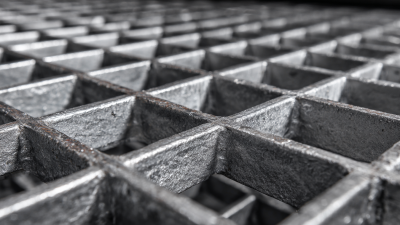
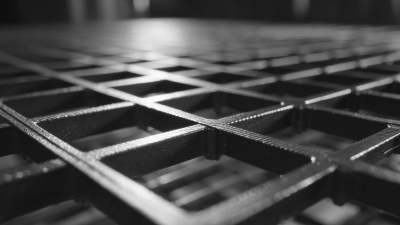
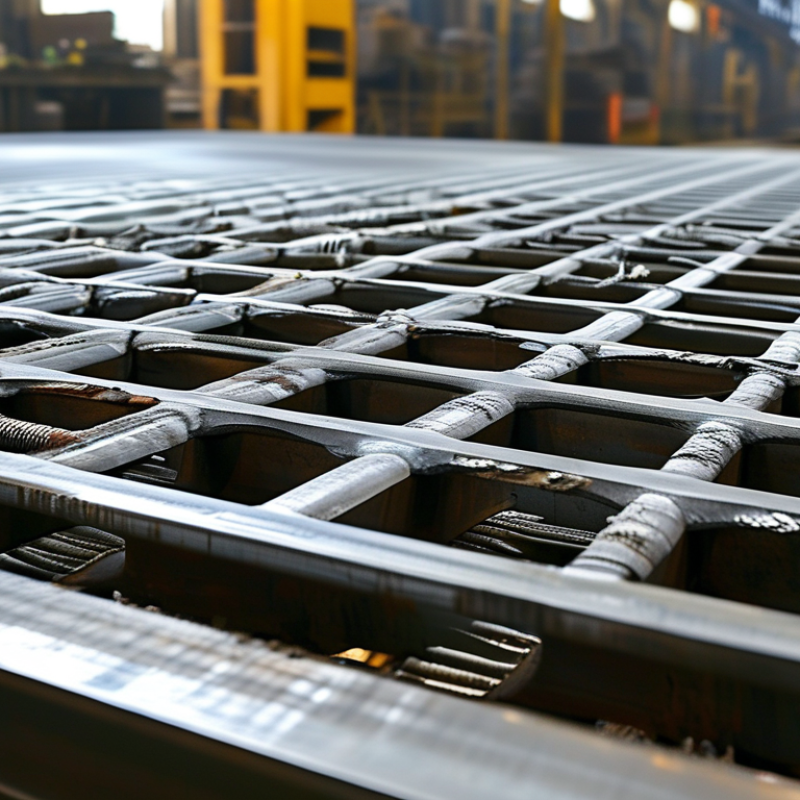
Mill finish grating refers to a type of metal grating that has not undergone any surface finishing processes. This means it retains the texture and appearance it gets from the manufacturing process. Commonly used in various industries, this type of grating is valued for its durability and strength. It features a rough, metallic surface that can provide traction. This is especially useful in environments where slip resistance is crucial.
The characteristics of mill finish grating are primarily defined by its raw surface. Its natural finish allows for easy identification of scratches and imperfections. While this may be seen as a flaw, it actually offers a practical benefit. Users can quickly assess wear and tear, thus ensuring maintenance needs are met.
Moreover, mill finish grating tends to be more economical. Its straightforward production process generally results in lower costs. However, it may require additional treatments in corrosive environments. Though it serves a vital purpose, weighing the pros and cons is essential when selecting this type of grating for specific applications.
Common Materials Used in Mill Finish Grating Production
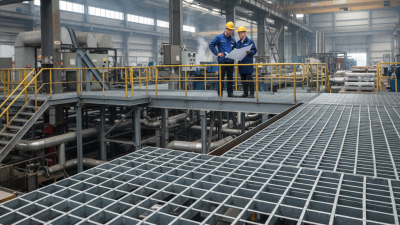
Mill finish grating is a structural material widely used in industrial applications. The production of mill finish grating usually involves various metals. The most common materials include steel, aluminum, and stainless steel. These materials offer unique qualities that cater to different needs.
Steel grating is known for its high strength and durability. It often features a galvanized finish, which enhances its resistance to corrosion. The global steel grating market was valued at approximately $5 billion in 2021 and is expected to grow steadily.
Aluminum is valued for its lightweight nature and resistance to rust. It serves well in environments where weight is a concern, such as in aerospace applications.
Stainless steel grating combines aesthetics with functionality. It is ideal for environments that demand both strength and a pleasing appearance, such as food processing plants. Interestingly, a report from the International Grating Association suggests that the demand for stainless steel grating is increasing by 3% annually through 2025. However, challenges exist. While these materials excel in certain areas, their costs can be prohibitive for some projects. Designing with the right material can be complex, yet is vital to the project’s success. Understanding each material's properties helps optimize their use in mill finish grating applications.
Benefits of Using Mill Finish Grating in Various Applications
Mill finish grating is an essential component in many industrial and commercial applications. This type of grating offers several benefits that enhance its functionality and durability. It showcases a bare aluminum finish, which provides excellent corrosion resistance. This feature makes it suitable for environments exposed to moisture or chemicals.
The lightweight nature of mill finish grating allows for easy installation. Workers can handle it without heavy machinery, which saves time and labor costs. Additionally, its open design facilitates drainage and reduces the accumulation of debris. This practicality is especially beneficial in food processing facilities, where cleanliness is crucial.
However, using mill finish grating does have its drawbacks. The bare finish may require maintenance to prevent oxidation over time. Users might need to assess their specific conditions and consider protective coatings. Understanding these details can help in making informed choices. Each application has unique challenges, and mill finish grating can be a valuable solution when used thoughtfully.
Comparison of Mill Finish Grating with Other Grating Finishes
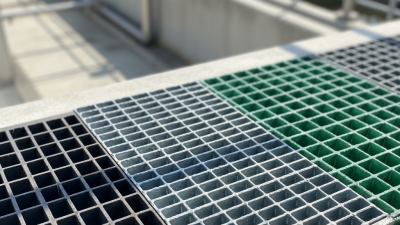
Mill finish grating is a popular choice in various industrial applications. Its standard finish provides a functional, bare metal surface. This finish is cost-effective and often used in environments where aesthetics are not the priority. However, it comes with limitations. Unlike painted or galvanized finishes, mill finish does not provide corrosion resistance.
When comparing mill finish grating to other finishes, the differences in durability can be significant. A study from the Grating Manufacturers Association indicates that galvanized grating can last up to 20 years longer in corrosive environments. Additionally, painted finishes offer enhanced protection against wear and tear. However, these options tend to come at a higher upfront cost. In projects where long-term performance is crucial, mill finish may not be sufficient.
End-users must consider these aspects carefully. They need to weigh the initial savings of mill finish against potential replacement costs down the line. An unprotected mill finish can lead to rust, especially in humid or wet conditions. Ultimately, selecting the right type of grating depends on specific project requirements and environmental factors.
Comparison of Mill Finish Grating with Other Grating Finishes
Maintenance and Care Tips for Mill Finish Grating
Mill finish grating is a versatile and durable material widely used in various applications. Proper maintenance is essential to ensure its longevity and performance. Regularly inspect the grating for any signs of wear or corrosion. Cleaning it with mild soap and water can help remove dirt and debris.
For outdoor installations, consider applying a protective coating. This can enhance resistance to the elements. However, be cautious about the choice of coating. Some products might alter the appearance or properties of the grating. Always test a small area first.
Keep in mind that even with careful maintenance, mill finish grating might show signs of oxidation. This is a normal process that may necessitate periodic refinishing. Understanding these factors is crucial for achieving the best results. Investing time in maintenance pays off in better performance and appearance.
What is Mill Finish Grating and Why is it Important? - Maintenance and Care Tips for Mill Finish Grating
| Aspect |
Description |
Importance |
Maintenance Tips |
| Material |
Typically made of aluminum or steel. |
Durable and resistant to corrosion. |
Regular cleaning to prevent buildup of dirt. |
| Surface Finish |
Unfinished, raw surface without coating. |
Offers better grip and slip resistance. |
Inspect for oxidation or rust regularly. |
| Applications |
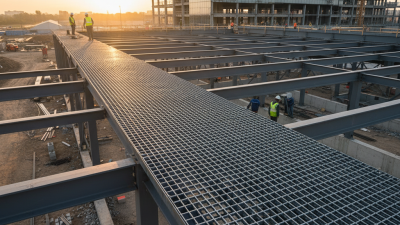
Used in industrial flooring, walkways, and platforms. |
Provides a safe walking surface in various environments. |
Coat with appropriate protectants if necessary. |
| Cost-effectiveness |
Lower initial cost compared to coated grating. |
Economical choice for large projects. |
Check for wear and replace sections as needed. |
| Aesthetic Quality |
Raw finish may be less visually appealing. |
Functional over form; suitable for industrial use. |
Consider painting or sealing for enhanced appearance. |