What Is Anti Slip Bar Grating Used For?
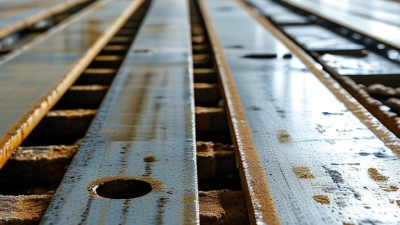
Anti Slip Bar Grating is used where people need a firmer walking surface on exposed platforms, stairs, ramps, and work areas. It is made from load-bearing bars with a textured or serrated surface that helps footwear hold underfoot. In practice, the teeth are noticeable through a work boot, especially when a platform is wet. The difference is practical. Water and small debris can also pass through the open spaces, rather than pooling across a solid floor.
Common settings include factories, warehouses, service walkways, loading areas, and outdoor access routes. Maintenance teams may choose it for elevated platforms around equipment, where workers need both traction and drainage. On a rainy loading dock, for example, a textured surface can offer more grip than smooth steel. It is also used on stair treads, where a slip can have immediate consequences. That matters. But the grating alone cannot prevent every fall.
Choosing the right Anti Slip Bar Grating means looking beyond its surface pattern. Check the expected loads, span, opening size, support details, and exposure to water, oil, or dirt. These conditions affect safety and performance. A pattern that works well on a dry indoor platform may be less suitable for a muddy outdoor route. Follow the manufacturer’s load information, and inspect the surface and fixings as they wear. I would not treat “anti-slip” as a guarantee; it is one part of a safer access system, alongside sound installation, clear walkways, and suitable footwear.
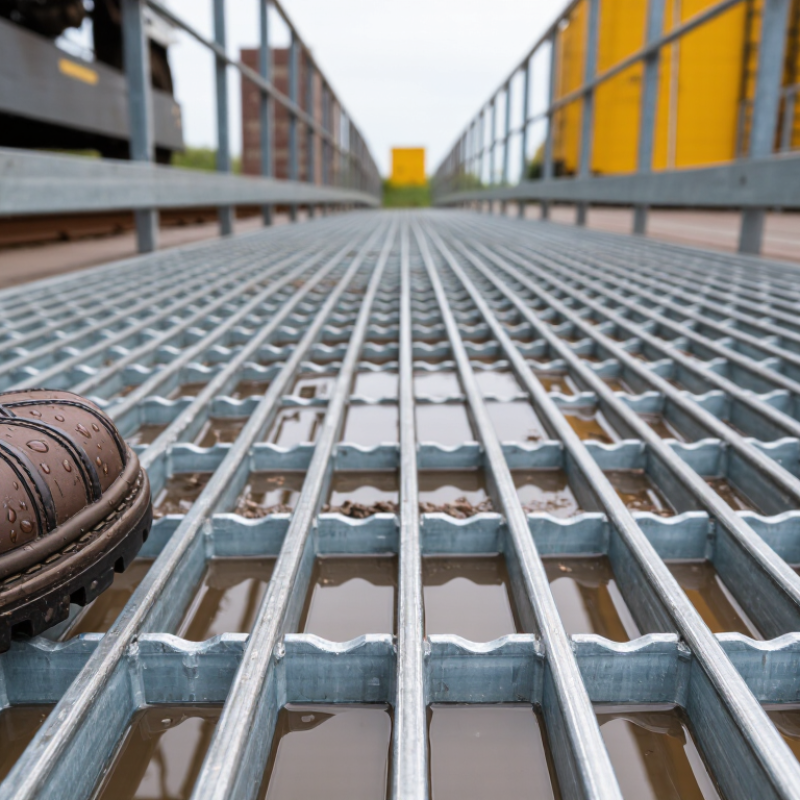
Anti-Slip Bar Grating: Serrated Bars and Open-Grid Construction
Anti-Slip Bar Grating: Serrated Bars and Open-Grid Construction
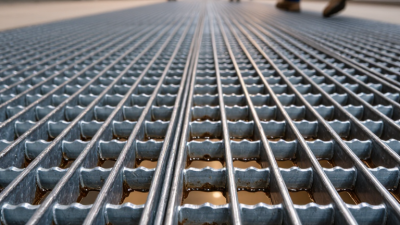
Anti-slip bar grating is used on walkways, stair treads, mezzanines, and equipment platforms where floors may become wet, oily, or dusty. Serrated bearing bars create small gripping edges beneath a boot sole. The open-grid design lets rainwater and wash water drain through instead of pooling. It also allows light through and makes it easier to inspect the area below.
Grip matters.
This construction can suit processing areas, loading zones, and outdoor access routes, but the right design depends on site conditions. The U.S. Bureau of Labor Statistics’ 2023 Census of Fatal Occupational Injuries recorded 885 fatal work injuries involving falls, slips, and trips—about 17% of all workplace fatalities.
Grating cannot prevent every fall. Small wheels, cane tips, or narrow heels may catch in wide openings, while residue can clog serrations and reduce traction. Check opening size, load capacity, support spacing, and cleaning access.
A dry-looking surface can still be slick.
Tips: Match the serration pattern and grid opening to footwear, traffic, and drainage needs. Inspect for packed debris and worn edges; even a well-chosen grate needs upkeep.
Grip and Standard Spacing: 19-W-4 Grating Uses 1-3/16-in Bars on Centers
Anti-slip bar grating is used for walkways, platforms, stair treads, and service areas where shoes may meet water, oil, or loose debris. In a 19-W-4 layout, bearing bars are spaced 1-3/16 inches on center, while cross bars are typically spaced 4 inches on center. That spacing creates open areas for drainage and airflow without making the walking surface a solid plate. Check the product drawing, since specifications can vary.
Grip matters. Serrated bearing-bar edges add texture beneath a boot, which can help reduce slipping in damp work zones. A worker stepping off a ladder, for example, may get a more secure landing than on smooth metal. The openings also let rain and wash water pass through instead of pooling. Small detail. But useful.
The spacing is not a universal safety guarantee. Fine heels, small wheels, or dropped parts may catch or pass through, depending on the opening and installation. Inspect the grating for wear, secure supports, and confirm load capacity for the intended use. Even serrations can become slick with grease or packed dirt. That part is easy to overlook.
Common Applications: Industrial Walkways, Stairs, Platforms, and Drainage Areas
Anti-slip bar grating provides a walking surface with raised or serrated bars that improve traction underfoot. It is commonly installed on industrial walkways exposed to rain, washdown water, or tracked-in oil. The open grid lets liquids pass through instead of pooling across the route. That can help, but it does not remove the need for routine cleaning.
On stairs and elevated platforms, grating creates a stable surface while allowing light and airflow to pass through. Serrated nosings can make stair edges easier to identify, especially in dim work areas. Platform panels should match the required load capacity and be secured against movement. Small parts or narrow heels may catch in some openings, so the grid pattern deserves careful review.
Drainage areas around pumps, tanks, and processing equipment often use grating to cover channels while keeping access open. Workers can see standing water below and reach drains without removing a solid cover. Check for loose fasteners, corrosion, clogged openings, and worn serrations. Even good grating can become slippery when coated with grease or fine residue. A site walk-through may reveal hazards that drawings miss.
What Is Anti-Slip Bar Grating Used For?
Common applications include industrial walkways, stairs, platforms, and drainage areas.
The 1–5 scores are a qualitative comparison, not measured usage or market-share data. Anti-slip grating provides a more secure walking surface; its open construction also allows water and other liquids to drain through.
Load Checks: OSHA 1910.22(a)(1) Requires Support for Intended Loads
Anti-slip bar grating provides traction on platforms, stairs, walkways, and service areas, but grip alone does not make a surface safe. Load capacity matters too. OSHA’s requirement for walking-working surfaces to support their maximum intended load appears in 1910.22(d)(1), rather than 1910.22(a)(1). That distinction is worth checking when reviewing a specification. A grating panel may look solid and still flex too much across a long span.
A load check should reflect the actual installation: support spacing, panel span, bearing edges, fasteners, and expected loads. Include workers, tools, stored materials, and maintenance equipment—not just an evenly spread load. A worker standing near the middle can create a different stress than materials distributed across the panel.
Check current load tables for the exact grating configuration, and ask a qualified engineer to review unusual spans or concentrated loads. Check the span. Also inspect for corrosion, loose connections, and damaged bars, since rated capacity assumes the assembly remains in sound condition.
Tables are useful, but they cannot tell the whole story about a field installation. I would verify the supports on site, even when the paperwork looks complete. It is easy to overlook a small detail.
Material Selection: Compare Carbon Steel, Aluminum, and Stainless Steel
Anti-slip bar grating is used on walkways, stair treads, work platforms, and drainage areas where shoes or equipment may encounter water, oil, or loose debris. Its raised bars provide contact points underfoot, while open spaces let liquids drain instead of pooling. In practice, the surface pattern matters: fine footwear, muddy boots, and wheeled carts do not grip in exactly the same way.
Keep in mind that grating reduces risk; it does not remove it.
Material choice affects weight, corrosion resistance, maintenance, and cost. Carbon steel suits heavy-duty platforms and industrial access routes, but damaged coatings can expose it to rust, especially around wet joints. Aluminum is lighter and often useful where reduced structural weight matters; however, the required load capacity depends on bar size, span, and support spacing. Stainless steel can withstand demanding wet or corrosive environments, though the correct grade still depends on exposure and cleaning conditions. A common planning mistake is choosing by material name alone. Check the expected loads, drainage, cleaning routine, and likely contact with salts or chemicals before specifying the grating.