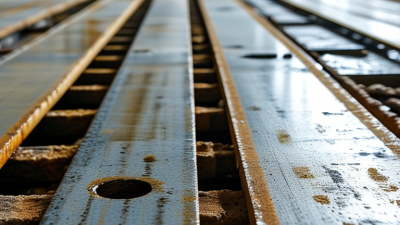
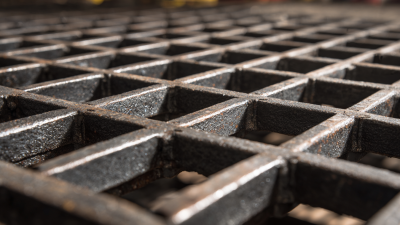
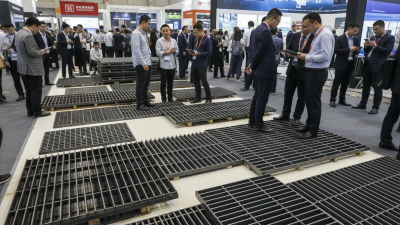
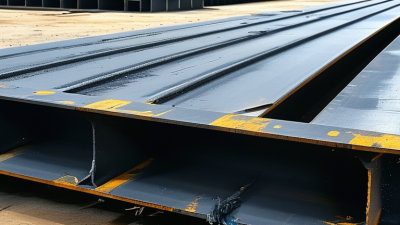
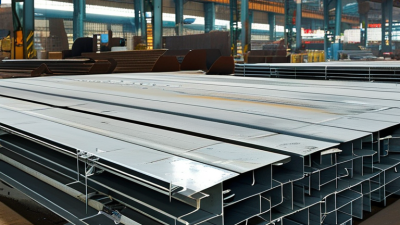
Choosing the best Black I Bar Grating supplier in China requires more than comparing online prices. A reliable decision begins with product evidence, factory experience, and clear technical communication. The supplier should understand serrated bearing bars, crossbar spacing, load requirements, and platform safety. Small details matter.
Look closely at the manufacturing process. Are the bearing bars accurately welded? Is the surface level after fabrication? Does the galvanized coating cover cut edges, welds, and corners consistently? Ask for material certificates, welding procedures, dimensional reports, and recent project references. A serious factory should explain its steel grade, manufacturing tolerance, packaging method, and inspection steps without avoiding difficult questions.
Quality expert W. Edwards Deming said, “Quality comes not from inspection, but from the improvement of the production process.” His principle applies directly to Black I Bar Grating production. Inspection can identify a weak weld, but a controlled process prevents repeated defects. Factory visits, production photographs, and independent testing may reveal more than a polished catalogue. Still, no supplier is perfect. That assumption needs testing.
The best Chinese supplier will combine stable production, responsive engineering support, fair pricing, and dependable export experience. It should also provide practical drawings before manufacturing begins. Check the bar height, panel dimensions, bearing direction, surface treatment, and fixing accessories carefully. One overlooked measurement can delay installation. This guide examines the qualities separating a capable Black I Bar Grating manufacturer from a trader with limited technical control. Your final choice should be based on verified performance, not confident promises.
A high-quality black I bar grating supplier proves performance before discussing price. The supplier should identify steel grade, I-bar dimensions, crossbar spacing, weld method, and allowable load. NAAMM’s Metal Bar Grating Manual provides recognized guidance for bar sizes, tolerances, and load tables. Ask for calculations, not attractive catalog images.
Coating control also matters. Black usually means painted or powder-coated steel, not galvanized steel. A reliable supplier records surface preparation, coating type, dry-film thickness, and curing conditions. ASTM D7091 supports non-destructive coating-thickness measurement, while SSPC-PA 2 helps evaluate measurement consistency. The finish should cover welds, corners, and cut edges. Those areas often fail first. Some suppliers still report only an average thickness, which is useful but incomplete.
Traceability separates a factory from a reseller. Each batch should connect mill certificates, welding inspections, dimensional checks, and packing records. The World Steel Association reported about 1.89 billion tonnes of crude steel production in 2023, showing the scale of global supply. Scale alone proves little. ISO 9001 certification helps structure quality procedures, but it does not guarantee every panel is correct. I would request sample pieces and inspect flatness, burrs, weld penetration, and coating adhesion. A small sample cannot reveal everything. That limitation deserves honest discussion. Supplier communication should also include realistic lead times, replacement procedures, and test evidence for the intended walking or industrial load.
Minimum yield-strength benchmarks for commonly specified structural steel grades used in untreated black steel grating
A reliable supplier should provide material certificates, clearly identify the steel grade, maintain consistent I-bar dimensions, and verify weld quality and load performance. The benchmark values shown are minimum yield strengths from commonly referenced steel specifications: S235JR and S275JR under EN 10025-2, S355JR under EN 10025-2, and ASTM A36 under ASTM A36/A36M.
What Is the Best Black I Bar Grating Supplier in China?
The best supplier is not always the largest factory. China produced about 1,005 million tonnes of crude steel in 2024, according to World Steel Association data. That capacity helps, but it does not prove grating consistency. Compare manufacturers through documented tests, traceable steel certificates, and repeatable dimensions.
For black I bar grating, request the exact bearing-bar size, cross-bar spacing, panel length, and permitted tolerance. Ask whether the steel follows GB/T 700 or another agreed grade. For welded grating, YB/T 4001.1 is a useful Chinese reference. ASTM or EN requirements may also apply to your project. Check load tables, weld penetration, surface flatness, and corner finishing. A serious factory should provide inspection records, not only attractive samples. ISO 9001 certification can support process control, but it cannot replace product testing. This distinction is often missed.
Tips: Compare three recent production batches. Request mill certificates and independent load tests. Confirm whether “black” means untreated steel, painted steel, or another coating. These finishes perform differently outdoors. Also inspect packaging, because bent panels create hidden installation costs. A low quotation may reflect thinner bars or wider spacing. I would not accept vague terms such as “heavy duty.” Define the load, span, environment, and safety factor in writing. Even careful buyers can overlook drainage and maintenance needs. That oversight deserves a second review.
| Comparison Dimension | Verifiable Product Data or Benchmark | Relevant Standard or Reference | How to Verify the Supplier | Purchasing Interpretation |
|---|---|---|---|---|
| Product Definition | Confirm whether the product is an aluminum I-bar grating, steel grating, or a steel grating with an I-shaped bearing bar. “Black” describes the finish or appearance, not the base material. | Project specification and approved technical drawing | Request the material designation, profile drawing, and section dimensions before quotation. | Do not compare prices until the material and I-bar profile are identical. |
| Base Material | For aluminum products, commonly specified wrought alloys include 6061 and 6063. For steel products, the grade must be stated together with the applicable chemical and mechanical requirements. | ASTM B221 or EN 755 for extruded aluminum; the relevant ASTM, EN, or GB steel material specification | Check the material certificate, heat or batch number, and certificate traceability. | Alloy and temper affect strength, corrosion resistance, weldability, and cost. |
| I-Bar Profile | Typical design variables include bearing-bar depth, flange width, wall thickness, and bearing-bar spacing. Common project dimensions must be confirmed from the drawing rather than assumed from the product name. | ANSI/NAAMM MBG 531 and the approved engineering drawing | Measure samples with calibrated calipers and compare them with the quotation drawing. | A small change in profile or spacing can materially change load capacity and weight. |
| Panel Size and Layout | Panel length, width, cut-outs, support direction, end bands, nosing, and removable clips should be listed individually. Bearing bars must run in the designed load-carrying direction. | Approved shop drawings; EN ISO 14122-2 where the grating forms part of machinery access | Review a panel schedule and confirm every opening, support point, and fastening location. | Detailed panel schedules reduce site cutting, waste, and installation delays. |
| Load Capacity | There is no universal load rating for I-bar grating. Capacity depends on alloy or steel grade, profile, span, spacing, support conditions, and load type. The supplier should provide a load table or engineering calculation. | ANSI/NAAMM MBG 531; project structural-design requirements | Ask for calculations showing span, uniformly distributed load, concentrated load, and support conditions. | Reject quotations that state only a generic load value without span and deflection assumptions. |
| Deflection Control | The allowable deflection must be defined by the project. Frequently specified limits include span/180 or span/240, but the project engineer must select the applicable criterion. | Project structural specification and applicable building or access-platform code | Check the calculation method and confirm that the stated deflection limit matches the project requirement. | A stronger-looking panel may still fail serviceability requirements if deflection is excessive. |
| Surface Finish: Black | Possible finishes include anodizing, powder coating, liquid coating, or a factory-applied conversion treatment. The finish system, coating thickness, gloss, and color tolerance must be stated. | AAMA 2603, AAMA 2604, or AAMA 2605 for applicable organic coatings; ISO 7599 for anodized aluminum | Request the finish specification, coating data sheet, color sample, and thickness test records. | “Black powder coated” is incomplete unless the coating class and durability requirement are specified. |
| Color Consistency | Use an approved physical sample and a defined color measurement system. Black finishes can vary in gloss, texture, and undertone between production batches. | Project color specification; CIELAB or an agreed manufacturer color reference | Approve a retained sample and inspect batch-to-batch consistency under controlled lighting. | Color approval should occur before mass production, not after shipment. |
| Corrosion Protection | Aluminum generally provides good atmospheric corrosion resistance, while steel may require galvanizing, painting, or another protective system. Black paint alone is not equivalent to galvanizing. | ISO 1461 or ASTM A123 for hot-dip galvanized steel; project corrosion specification | Verify the coating system, minimum coating requirement, surface preparation, and inspection records. | Choose protection according to environment, especially coastal, chemical, wet, or outdoor locations. |
| Dimensional Tolerances | Control overall panel dimensions, bearing-bar depth, spacing, squareness, flatness, cut-out size, and twist. The tolerances must be stated on the approved drawing or standard. | ANSI/NAAMM MBG 531, EN 1090 where applicable, and the approved drawing | Use a dimensional inspection report with calibrated measuring equipment. | Clear tolerances prevent disputes caused by different interpretations of “standard size.” |
| Weld and Joint Quality | Inspect weld continuity, fusion, visible cracking, undercut, distortion, and attachment of cross bars. Aluminum and steel require different welding procedures and controls. | ISO 3834 for quality requirements in fusion welding; applicable project welding procedures | Request welding procedure details, welder qualifications, visual inspection records, and repair procedures. | Joint quality is critical because cross bars and support attachments influence panel stability. |
| Slip Resistance | Plain, serrated, and anti-slip surfaces provide different traction. Performance depends on surface geometry, contamination, footwear, and installation conditions. | R13 or other slip classifications only when tested to the specified method; DIN 51130 or project-specific test requirements | Ask for the exact slip-test method, test condition, surface type, and test report. | Do not treat a serrated appearance as proof of a certified slip rating. |
| Fasteners and Accessories | Confirm clip type, material, bolt grade, washer type, quantity, and compatibility with aluminum or coated steel. Stainless-steel fasteners may require isolation from aluminum to reduce galvanic corrosion risk. | Project fastening specification; applicable stainless-steel and structural-fastener requirements | Review an accessory list and request material certificates for fasteners when required. | Low-cost clips can create movement, noise, corrosion, or unsafe lifting and maintenance conditions. |
| Quality Management | A documented quality system should cover incoming material inspection, production checks, welding or assembly inspection, final dimensional inspection, and nonconforming-product control. | ISO 9001 certification, when claimed, should be valid and issued for the relevant manufacturing scope | Verify the certificate number, scope, issuing body, validity, and factory address. | Certification supports process control but does not replace product-specific inspection. |
| Inspection and Test Documentation | A complete inspection package may include material certificates, dimensional reports, coating reports, weld records, load calculations, photographs, and packing records. | Purchase order, inspection and test plan, and project documentation requirements | Agree on document submission timing and acceptance criteria before production begins. | Documented evidence makes technical comparison more reliable than catalogue claims. |
| Sample Approval | A representative sample should show the exact alloy or steel grade, I-bar profile, spacing, finish, weld quality, fasteners, and edge treatment. | Approved sample and signed technical submittal | Mark and retain the approved sample; compare mass-production goods against it. | Sample approval reduces the risk of receiving a visually similar but technically different product. |
| Packaging and Export Readiness | Panels should be protected from abrasion, moisture, deformation, and mixed-part confusion. Labels should identify panel number, quantity, weight, and installation location. | Agreed export-packing specification and shipping documentation requirements | Review packing photographs, pallet details, lifting points, and a carton or bundle list before dispatch. | Good packaging lowers the risk of damaged black finishes and installation errors. |
| Best-Supplier Selection Method | Recommended approach Select the supplier with the strongest combination of verified material control, engineering calculations, finish consistency, inspection records, and delivery capability—not simply the lowest unit price. | Buyer-defined technical evaluation matrix | Score each supplier against identical drawings, standards, samples, documents, and inspection requirements. | A transparent scorecard creates a fair comparison between Chinese manufacturers without relying on brand recognition. |
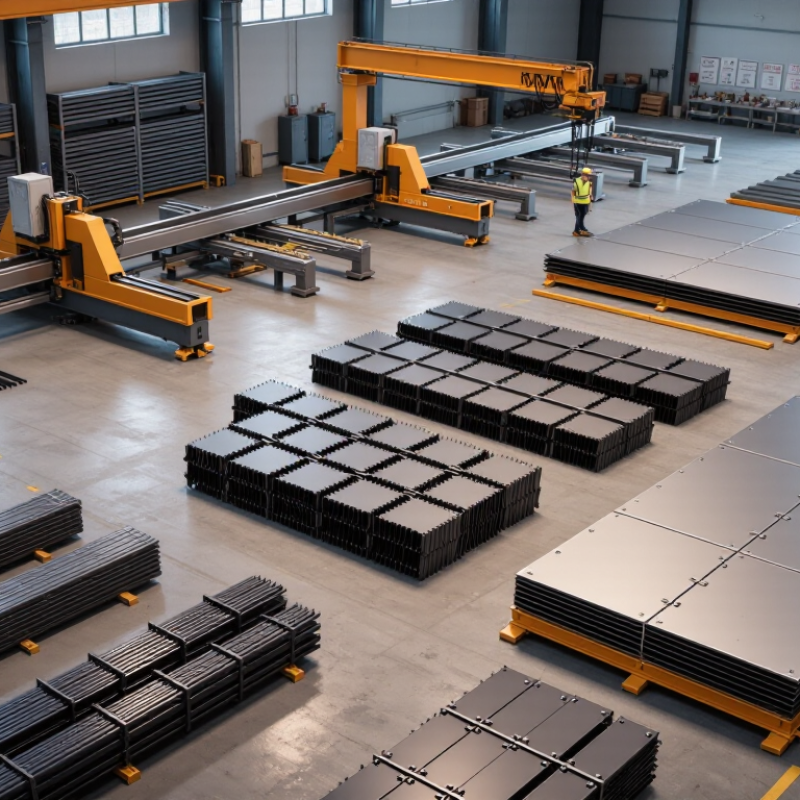
Choosing a black I bar grating supplier in China requires more than comparing catalog prices. The material should match the environment, load, and maintenance plan. Aluminum I-bar grating suits lightweight platforms, rooftops, and areas exposed to moisture. Galvanized steel offers stronger load capacity for industrial walkways and service platforms. Stainless steel performs better near saltwater or corrosive processing equipment. Fiberglass grating can help where electrical insulation and chemical resistance matter.
The black finish also needs careful evaluation. Powder coating provides a consistent appearance and reasonable protection for indoor or sheltered applications. Anodizing can offer a durable surface on aluminum, but deep black shades may vary between production batches. In harsh outdoor conditions, coating thickness, UV resistance, and surface preparation deserve written verification. A dark surface can become hot under direct sunlight. This detail is often overlooked.
Design choices affect safety and service life. Serrated I-bars improve grip on oily or wet walkways, while smooth bars may suit clean, dry interiors. Smaller bar spacing helps prevent tools from falling through elevated platforms. Suppliers should provide load tables, span recommendations, material certificates, coating records, and sample sections. Factory quality checks are useful, but independent testing may be wiser for critical structures. In practice, no single design fits every project. Even experienced buyers can underestimate installation tolerances and drainage needs. A careful supplier should discuss these weaknesses before accepting an order.
Before ordering black I bar grating, confirm the technical drawing with the supplier. Check bearing bar height, thickness, spacing, crossbar spacing, panel size, and surface finish. A small dimension error can affect installation. It may also change the platform’s load performance.
Request material certificates showing the steel grade and production batch. Review welding quality, bar alignment, flatness, and cutting accuracy. Ask for recent inspection records, not only standard factory statements. A sample panel can reveal rough welds, twisted bars, uneven black coating, or sharp edges. Measure it yourself with calipers and a steel ruler. Simple checks matter.
Confirm the black finish clearly. Is it untreated steel, painted, or coated after fabrication? Check coating thickness, adhesion, color consistency, and exposed cut edges. Outdoor projects need suitable corrosion protection. Ask how the supplier tests load capacity and whether an independent inspector can verify results before shipment. Packaging also deserves attention: corner protection, moisture barriers, labels, and panel counts should match the packing list. Photographs help, but they are not proof. I have learned that attractive samples can hide weak traceability, so batch markings and documented controls deserve equal attention. Allow room for doubt. Supplier answers should be specific, measurable, and consistent.
Choosing the best black I bar grating supplier in China requires more than comparing unit prices. Define the load class, panel span, bar height, surface finish, and tolerances before requesting quotes. A black finish may mean powder coating, painted steel, or anodized aluminum. These are not equivalent. Ask for material certificates, coating thickness records, weld inspection results, and a sample panel. Small details matter.
China produced about 1,005 million tonnes of crude steel in 2024, according to the World Steel Association’s World Steel in Figures 2025. Capacity is not proof of control. Compare three itemized quotations, including tooling, packaging, inland transport, testing, and replacement terms. Request a dimensional inspection report for every batch. A low quote can still be wrong. It may hide thinner load bars or weak edge frames.
Delivery deserves measurable evidence. The World Bank’s 2023 Logistics Performance Index gave China an overall score of 3.7 out of 5, ranking it 19th among 139 economies. Use that as a logistics benchmark, not a promise. The supplier should provide a production schedule, pre-shipment photos, packing dimensions, and a tracking plan. Confirm the port, Incoterm, holiday shutdowns, and delay procedure in writing. Ask for one responsive technical contact. Fast replies help, but engineering answers matter more. I would also test a small order first; it costs more initially, yet exposes communication gaps before a full container.