2026 Best Mill Finish Grating Suppliers for Global Buyers
Choosing reliable Mill Finish Grating suppliers requires more than comparing prices in a spreadsheet. Global buyers must examine alloy grades, bearing-bar dimensions, load tables, surface condition, fabrication quality, and export experience. A platform may look identical in photographs, yet feel different under a boot. Sharp edges, uneven cross bars, or poor weld penetration can reveal weak production control.
As grating engineer Michael J. Schaefer says, “A safe grating purchase begins with the load, not the quotation.” This principle shapes our review of the 2026 market. We assess suppliers through technical documents, factory capabilities, sample inspection, packaging methods, and communication records. Strong manufacturers can explain whether their Mill Finish Grating uses 6061-T6 aluminum, carbon steel, or stainless steel. They should also clarify span limits, surface treatments, tolerances, and applicable international specifications.
Details matter.
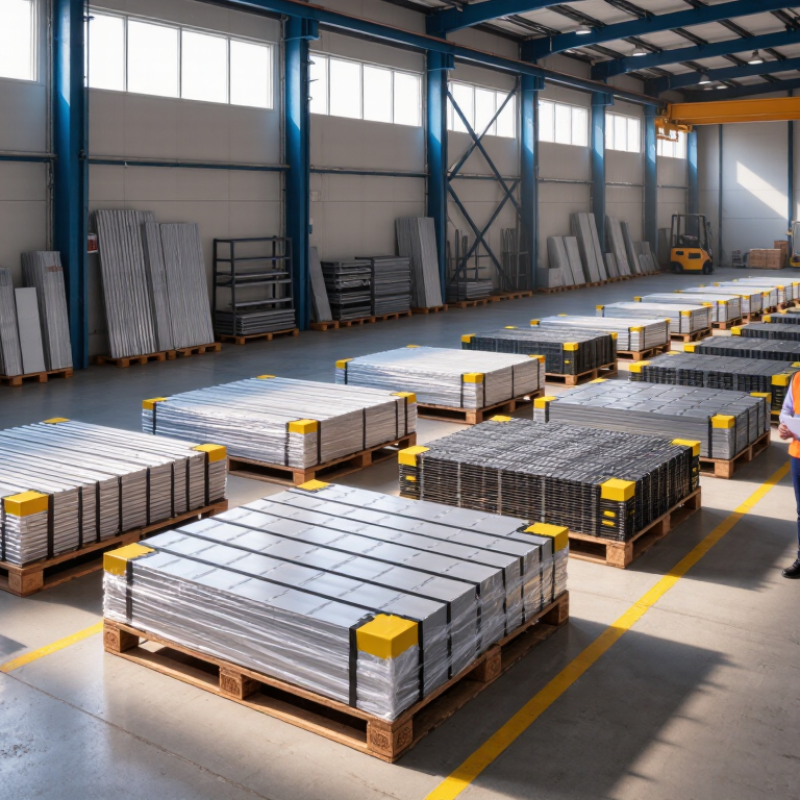
A dependable supplier protects panels with corner guards, moisture-resistant wrapping, and clear identification labels. That matters when containers travel through humid ports or experience repeated handling. Buyers should request drawings before production begins. They should also confirm whether cutouts, stair treads, fixing clips, and custom panels are included.
No supplier ranking is flawless. Delivery performance can change with raw-material costs, port congestion, or production pressure. Some companies communicate well but provide limited engineering support. Others offer excellent fabrication but lack flexible export service. This guide recognizes those imperfections while identifying suppliers with stronger evidence of consistency, transparency, and technical competence. It is designed to help international buyers make decisions with fewer surprises and better long-term value.
Mill Finish Grating: Definition, Features, and Common Applications
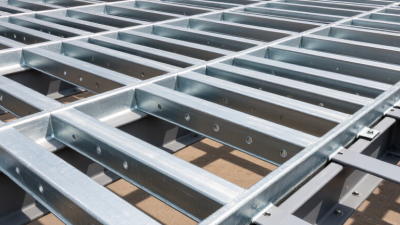
Mill finish grating refers to metal grating kept in its as-fabricated condition. Its surface receives no anodizing, powder coating, or decorative treatment. Aluminum is common because it combines low weight with useful corrosion resistance. The surface may show faint extrusion lines, handling marks, or slight color variation. That is normal.
Its appearance is practical, not polished. Natural aluminum forms a thin oxide layer that helps protect the metal in ordinary environments. However, mill finish does not mean maintenance-free. Salt spray, chemicals, and trapped dirt can still damage the surface over time.
Serrated bars can improve traction, but the actual slip resistance depends on bar shape, spacing, footwear, and moisture. Load ratings also depend on span, bearing depth, support spacing, and applied weight. A quick visual check cannot replace engineering data.
Common applications include access platforms, factory walkways, drainage covers, ventilation floors, stair treads, and equipment enclosures. Contractors often choose it where easy handling and airflow matter. In coastal facilities, aluminum may perform well, but nearby steel fasteners can create galvanic corrosion if materials are poorly matched. That detail is easy to overlook. Before ordering, global buyers should verify alloy, bar dimensions, opening size, surface condition, load requirements, tolerances, and packing protection. Mill finish can be cost-efficient, yet the cheapest option may require more cleaning or replacement later. Specification discipline matters.
Key Criteria for Evaluating Global Grating Suppliers
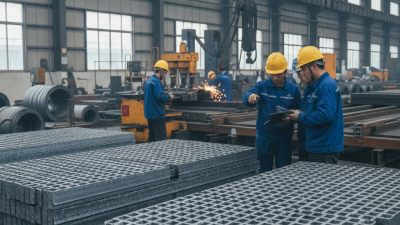
Choosing a mill finish grating supplier in 2026 requires more than comparing prices. Global buyers should examine production experience, material knowledge, and delivery reliability. A supplier should provide clear alloy or steel specifications, load data, dimensional tolerances, and surface details. Ask for recent inspection records. Do not rely on attractive brochures alone.
Request a physical sample before approving a large order. Check bearing bar spacing, weld consistency, cut edges, and flatness under normal lighting. Confirm whether production follows recognized technical standards and whether independent testing is available. Traceability matters. Heat numbers, batch records, and packing lists can prevent costly confusion at the destination. Export experience also deserves attention. Review container loading methods, moisture protection, labeling, and document accuracy. One missing certificate can delay installation.
Tips
Compare at least three quotations, but compare their assumptions too. Ask about minimum order quantities, replacement procedures, and realistic lead times. Visit a factory when possible, or arrange a live production inspection. A supplier that answers slowly may still produce well, but poor communication creates risk. I have seen buyers focus on unit price and overlook packaging damage. That was an expensive lesson. Leave room for design changes, because site measurements are not always perfect. Reliable cooperation grows from evidence, careful questions, and written commitments.