2026 Top Anti Slip Bar Grating Solutions for Global Buyers?
In the evolving landscape of industrial flooring solutions, the demand for Anti Slip Bar Grating continues to rise. Market analysis indicates that the global anti-slip flooring market is projected to reach $2.5 billion by 2026. Safety remains a pressing concern across various sectors. Industries such as construction and manufacturing face high rates of slip and fall accidents, which account for nearly 30% of all workplace injuries. Thus, implementing effective Anti Slip Bar Grating is essential for enhancing safety.
Anti Slip Bar Grating not only improves traction but also reduces maintenance costs related to accidents. Made of durable materials, it is designed for heavy-duty applications. Surprisingly, some solutions still lack the necessary standards to ensure optimum safety. Buyers need to assess the quality and certifications of products carefully. Many companies provide competitive options, yet only a few meet the rigorous safety requirements set by international standards. This underscores the significance of choosing trustworthy suppliers and verified products.
As the market grows, it is vital for global buyers to navigate through numerous options critically. Awareness of product specifications and industry standards can lead to better decision-making. Ultimately, investing in high-quality Anti Slip Bar Grating can significantly enhance safety and operational efficiency in various environments.
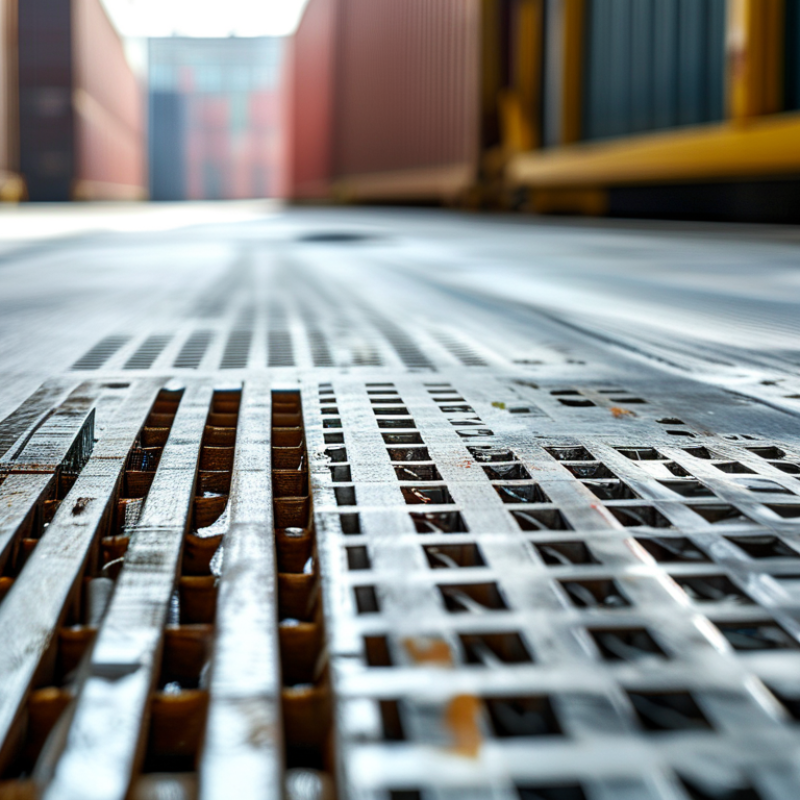
Overview of Anti-Slip Bar Grating and Its Importance in Safety
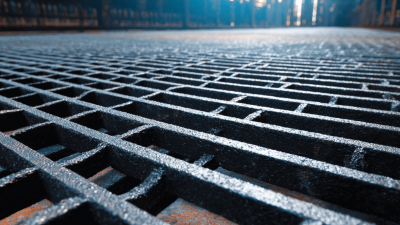
Anti-slip bar grating is essential for ensuring safety in various environments. It offers a reliable walking platform, particularly in industrial and commercial settings. The textured surface significantly reduces the risk of slips and falls. These accidents can lead to severe injuries and costly downtime.
In manufacturing plants or outdoor areas, the need for anti-slip solutions cannot be overstated. Wet floors, oil spills, and dust accumulation can create hazardous conditions. Using anti-slip grating helps mitigate these risks effectively. Regular inspections and maintenance are vital to ensure the grating remains functional. Over time, wear and tear can compromise its safety features, necessitating timely intervention.
Selecting the right anti-slip bar grating involves considering material, load capacity, and installation methods. Each project may present unique challenges that require thoughtful solutions. Factors like environmental exposure and foot traffic levels should influence choices. However, it is crucial not to overlook potential shortcomings in chosen materials or design. Engineers and safety professionals must remain vigilant to ensure a safe working environment.
Types of Materials Used in Anti-Slip Bar Grating Solutions
Anti-slip bar grating solutions are essential in various industries to ensure safety and prevent accidents. The materials used significantly affect their efficacy. Common materials include steel, aluminum, and fiberglass. Each material offers distinct advantages and drawbacks.
Steel is sturdy and can withstand heavy loads. A report by the American Iron and Steel Institute indicates that steel grating can last up to 40 years with proper maintenance. However, its weight may pose installation challenges.
Aluminum is lighter and resistant to corrosion. Yet, it may not support as much weight as steel. According to a recent study, aluminum accounts for about 25% of the anti-slip market due to its favorable properties.
Fiberglass reinforced plastic (FRP) is another popular choice. It is non-corrosive and lightweight. However, FRP can be more expensive than traditional materials, which deters some buyers.
A survey from the Composites Manufacturing Association reports that FRP's popularity is growing, especially in industries like construction and chemical processing. While each material has strengths, understanding the specific application’s needs is crucial. Ultimately, selecting the right material requires careful consideration of both benefits and potential weaknesses.
Key Features to Look for in Quality Anti-Slip Bar Grating
When selecting anti-slip bar grating, certain key features can make a significant difference. First, consider the material used in the grating. Steel, aluminum, and fiberglass all offer varying degrees of slip resistance. Steel grating provides durability and strength, while aluminum is lightweight and resistant to corrosion. Fiberglass offers excellent slip resistance and is often used in wet environments.
Surface texture is another vital element. A rough surface can enhance grip and prevent slips, especially in industrial settings. Look for options with added features like serrations or coatings that improve traction. Checking the load-bearing capacity is essential as well. Ensure that the grating can handle the specific weight and pressure expected in its application.
While many options exist, not every product lives up to expectations. Some may not provide the desired slip resistance in actual conditions. It's crucial to assess user reviews and performance data before making a choice. Remember, an ounce of prevention goes a long way. Investing in reliable anti-slip bar grating can protect workers and enhance safety in various environments.
Top Global Suppliers of Anti-Slip Bar Grating Solutions in 2026
In 2026, the global demand for anti-slip bar grating solutions is expected to rise significantly. According to industry reports, the market is projected to reach $1.5 billion by the end of the year. This growth is fueled by increasing awareness of safety standards across various sectors, especially in construction and industrial applications. Businesses are now prioritizing anti-slip solutions to minimize accidents and enhance workplace safety.
The top global suppliers are continuing to innovate. They focus on materials that blend durability with effective slip resistance. According to surveys, about 62% of buyers prefer products that are both eco-friendly and safe. Suppliers are increasingly adopting advanced technologies, like resin-based coatings, to improve product performance. However, not all solutions are effective in all environments. Some materials may wear out faster than anticipated, leading to additional costs for replacements.
Tip: Always consider the specific environment before selecting an anti-slip solution. Different weather conditions can significantly affect the performance of grating materials.
It's crucial for buyers to engage with reputable suppliers who can provide detailed documentation on product performance. A lack of data can lead to misguided decisions. Many companies still overlook the importance of thorough research. Therefore, understanding the specific application needs is vital. Proper assessment can prevent future regrets over unsuitable selections.
Applications and Industries Utilizing Anti-Slip Bar Grating Products
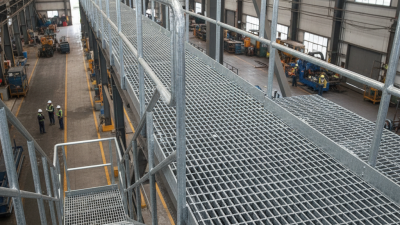
Anti-slip bar grating products are becoming essential in various industries. Their applications span across construction, manufacturing, and even agriculture. For instance, in industrial plants, anti-slip grating ensures safety on walkways and platforms. This reduces slip-and-fall accidents, protecting workers on the job.
Tips: When choosing anti-slip grating, ensure it matches the specific needs of your environment. Consider factors like load capacity and exposure to weather. The wrong choice can lead to safety hazards.
In commercial settings, anti-slip grating is crucial in areas with high foot traffic. Retail and food service establishments benefit greatly. The right grating keeps customers safe and confident while navigating the space. However, some may overlook installation requirements, which can compromise effectiveness.
Tips: Regular inspections can prevent potential issues. Check for wear and tear, and address any damage promptly. This simple maintenance can extend the life of the grating.