China Top Marine Walking Steel Grating Features and Applications?
Marine Walking Steel Grating is essential in coastal and marine environments. This product provides safety and functionality for various applications. Industry expert Dr. James Lee, a leading authority in marine construction, states, "The durability of Marine Walking Steel Grating is unmatched in harsh environments."
Marine Walking Steel Grating offers several advantages. Its design allows for excellent drainage and slip resistance. The materials used ensure high strength and corrosion resistance. These features make it ideal for walkways, piers, and docks. Moreover, the lightweight construction simplifies installation and maintenance.
Despite its benefits, there are considerations to evaluate. The initial costs may be higher than traditional materials. Also, selecting the right type of grating requires expertise. Proper installation is vital for maximizing longevity and safety. Understanding these factors leads to better decision-making in marine projects.
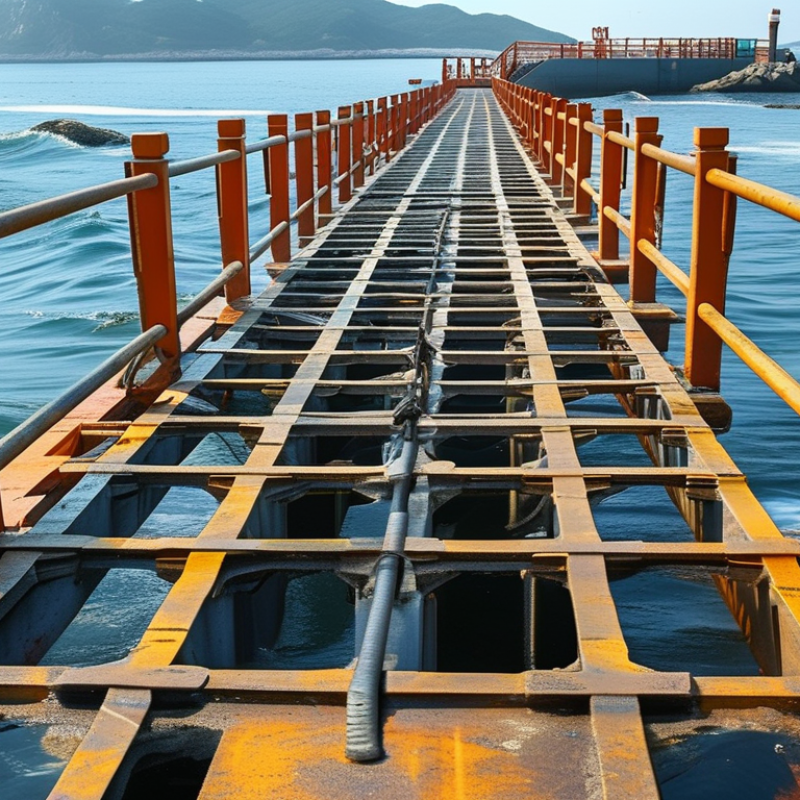
Features of China Top Marine Walking Steel Grating
Marine walking steel grating offers essential features designed for durability and safety in harsh environments. These gratings are manufactured to resist corrosion from seawater and other elements. According to a 2022 industry report, the demand for these gratings in marine applications surged by 15% over previous years. Their strength-to-weight ratio helps in creating lighter structures without sacrificing stability.
One notable benefit is the anti-slip surface, crucial for safety on wet decks. This feature directly reduces the risk of accidents. Furthermore, marine walking steel grating allows for efficient water drainage. This prevents water accumulation, which could lead to hazardous conditions. Additionally, the open design of these gratings minimizes debris build-up, which enhances maintenance ease.
Tip: Always consider the specific environmental conditions when selecting steel grating. Galvanized options perform better in salty conditions. Pay attention to installation since it can affect long-term durability. A misstep here could lead to rust or structural failure. Regular inspections are necessary as they can reveal unnoticed wear and tear.
Material Composition and Fabrication Process
China's top marine walking steel grating exhibits significant versatility in its material composition and fabrication process. Typically, it incorporates carbon steel and stainless steel alloy materials to enhance durability and strength. According to recent industry reports, the use of high-quality steel can extend the lifespan of grating systems significantly by up to 50%, making it a preferred choice in demanding environments.
The fabrication process is equally critical. It often involves hot-dip galvanizing, which provides corrosion resistance. Studies indicate that galvanized coatings can increase the lifespan of steel grating by 20 years. However, challenges remain. Inconsistent thickness in coatings can occur, leading to potential vulnerabilities. Additionally, variations in manufacturing processes can affect the overall quality. Not all producers maintain stringent quality control.
Understanding the importance of both material and fabrication is key. Marine environments expose steel to harsh conditions. While the composition can be optimal, poor fabrication can undermine performance. Data show that projects utilizing precision fabrication techniques enjoy higher reliability and fewer maintenance issues. This highlights the need for ongoing improvement in production standards within the industry.
Design Specifications and Load-Bearing Capacities
When examining the design specifications of marine walking steel grating,
load-bearing capacity stands out as a critical factor. Typically, these gratings must support heavy weights without compromising safety.
According to industry standards, a common load-bearing capacity for such gratings is around 1,500 kg/m².
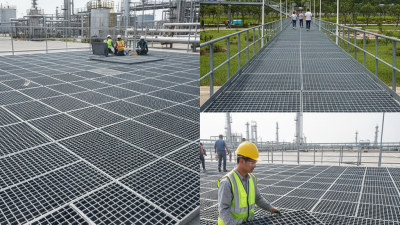
This allows for the safe passage of personnel and equipment on platforms, walkways, and access routes.
The design often prioritizes a mix of strength and lightness. Common materials include
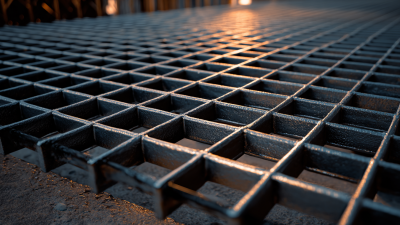
galvanized steel, which offers corrosion resistance in harsh marine environments.
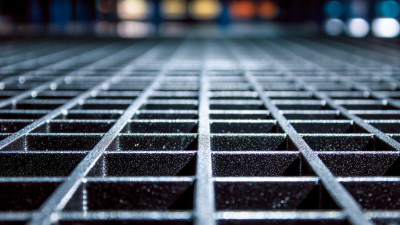
The spacing between bars, usually around 30mm, contributes to the overall strength while maintaining ease of drainage.
Testing shows that proper configurations can withstand shocks and impacts from both foot traffic and equipment movement.
However, installing marine walking steel grating is not without challenges.
Improper spacing or inadequate support can result in structural failure, causing safety hazards. Regular inspections are vital to ensure the integrity of installations.
As noted in recent engineering reports, failures linked to design flaws account for significant incidents
in marine environments. This highlights the need for ongoing evaluation and adherence to best practices in design and implementation.
Applications in Marine and Industrial Environments
Marine environments pose significant challenges for materials used in construction. Steel grating is a solution that offers durability and reliability in these settings. Its design allows for water drainage while providing strong support. This feature is essential for preventing slip hazards in wet conditions, a common issue in marine applications.
In industrial settings, steel grating supports heavy equipment and foot traffic. It withstands harsh chemicals and corrosive elements typically found in factories and processing plants. However, not all steel grating is created equal. Some may rust over time or fail to meet safety standards. Inspecting the grating regularly is crucial to ensure longevity and effectiveness.
The applications for steel grating extend beyond marine and industrial uses. It is found in walkways, platforms, and other vital structures. Various factors, such as load capacity and environmental exposure, influence material choice. Taking the time to evaluate all options can lead to better decision-making. Ultimately, thorough assessment and maintenance are key to maximizing the benefits of steel grating in diverse environments.
China Top Marine Walking Steel Grating Features and Applications
| Feature |
Description |
Application |
Environment |
| Corrosion Resistance |
Designed to withstand harsh marine environments, protecting against rust and corrosion. |
Decking for ships and oil platforms |
Marine |
| Load Capacity |
High strength-to-weight ratio allows for heavy loads without buckling. |
Industrial flooring and walkways |
Industrial |
| Slip Resistance |
Surface design minimizes slip potential in wet and oily conditions. |
Walkways and staircases |
Marine & Industrial |
| Customization |
Available in various sizes and finishes to meet specific project requirements. |
Custom infrastructural projects |
Marine & Industrial |
| Lightweight |
Ease of installation due to lower weight compared to solid alternatives. |
Temporary walkways and access points |
Construction site |
Maintenance and Durability Considerations
Maintenance is crucial for the longevity of marine walking steel grating. Regular inspections can identify rust or corrosion early on. Even with high-quality materials, the marine environment can be harsh. Saltwater exposure accelerates wear and tear. Therefore, a maintenance routine is essential.
Cleansing the grating with fresh water can help remove salt deposits. This simple step prevents corrosion and prolongs the material’s life. Regular removal of debris is also vital. Leaves and dirt can trap moisture, promoting rust. Ensure to schedule periodic cleaning sessions, especially in coastal areas.
Tip: Use a non-abrasive cleaner to avoid damage during maintenance.
Durability is often linked to proper upkeep. Neglect can lead to unexpected costs, such as structural repairs. It's essential to monitor the grating for signs of fatigue. Cracks and bends indicate an underlying problem. Timely repairs can save resources in the long run. Engaging with experienced professionals for inspections can enhance reliability. Their expertise helps in identifying issues that may not be visible.
Tip: Document all maintenance activities. This record can guide future actions and improve overall efficiency.
Features and Applications of Top Marine Walking Steel Grating
This bar chart illustrates the key performance characteristics of top marine walking steel grating, including corrosion resistance, load capacity, weight efficiency, slip resistance, and cost-effectiveness. Each characteristic is rated on a scale of 1 to 100, demonstrating the reliable performance and utility of these materials in marine applications.