2026 Best Plain Grating Options for Your Home and Business Needs?
Plain grating is an essential component for both residential and commercial spaces. Finding the right option can be challenging. Expert John Carter, a renowned authority in the grating industry, states, "The right plain grating transforms functionality and aesthetics." His insight emphasizes the importance of selecting quality materials.
Shopping for plain grating involves more than just aesthetics. Durability and maintenance are also key factors. For instance, materials like fiberglass can withstand heavy loads while offering a modern look. However, some options may require more care and attention over time.
Many buyers may overlook the specific needs of their environment. Consideration of factors such as drainage and safety should not be ignored. Choosing the wrong type could lead to costly replacements. Reflecting on these aspects ensures a better investment in plain grating, tailored to your unique needs.
Types of Plain Grating Suitable for Different Applications
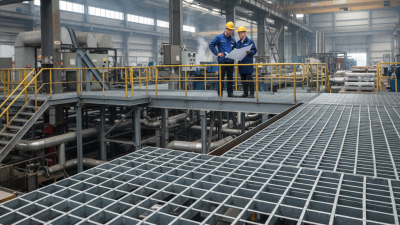
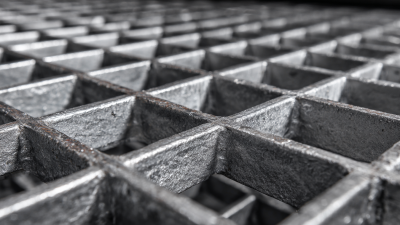
When selecting plain grating for various applications, different types can suit specific needs. For industrial settings, steel grating is a common choice. It provides strong load-bearing capabilities and durability. However, it may rust over time if not properly maintained. Aluminum grating is lighter, rust-resistant, and ideal for areas prone to moisture. Its lower weight can be a drawback in high-load applications.
For residential applications, fiberglass grating is gaining popularity. It is non-conductive and can withstand harsh chemicals. Although it has a higher upfront cost, its longevity can make it a worthwhile investment. Plastic grating is another option for lighter duty requirements. It can fade in UV light but offers a budget-friendly solution.
Integrating different materials can result in a more effective solution. Consider the environmental impact and longevity of each option. Not all choices will fit every situation perfectly. Evaluating the specific needs and limitations of each grating type is essential for optimal results.
2026 Best Plain Grating Options for Your Home and Business Needs
| Type of Grating |
Material |
Load Capacity (lbs) |
Common Applications |
Price Range (per sq ft) |
| Heavy-Duty Steel Grating |
Steel |
3000 |
Industrial Floors, Walkways |
$15 - $20 |
| Aluminum Grating |
Aluminum |
2000 |
Lightweight Platforms, Drainage |
$10 - $15 |
| Fiberglass Reinforced Plastic (FRP) Grating |
Fiberglass |
1500 |
Chemical Processing, Wet Environments |
$20 - $30 |
| Plastic Grating |
Polypropylene |
1000 |
Residential Decks, Walkways |
$5 - $10 |
| Grating with Anti-Slip Surface |
Steel or Aluminum |
2500 |
Public Walkways, Safety Areas |
$12 - $18 |
Key Factors to Consider When Choosing Plain Grating
Choosing the right plain grating for your home or business is crucial. Several key factors can impact your decision. Start by evaluating the location where the grating will be installed. Indoor and outdoor environments have different demands. Outdoor grating, for instance, should withstand weather conditions. Indoor areas may prioritize aesthetics alongside functionality.
Consider the load-bearing capacity of the grating. Different applications require various strength levels. Heavy machinery or foot traffic will need stronger materials. Ensure that the grating you choose can support the required weight. Look into the spacing of the grating bars as well. Closer spacing can prevent small items from falling through but may also affect drainage.
**Tip:** Always review installation requirements. Some types of grating may need specific tools or methods for proper setup. Before starting your project, confirm that you have everything you need.
Don't overlook safety features. Non-slip surfaces can be vital in areas with high moisture. This small detail can prevent accidents. Research materials used for grating and their long-term durability. The investment in quality grating pays off over time with less maintenance and replacements.
**Tip:** Test different samples before making a final choice. This allows you to assess the grip and appearance in your specific environment.
Comparing Material Options for Durability and Cost
When considering plain grating options for homes and businesses, material selection is crucial. Steel and fiberglass are popular choices due to their unique benefits. A report by the Industrial Fabrication Institute highlights that steel grating provides superior strength, with a load capacity that surpasses most materials. This durability makes it ideal for heavy loads. However, its cost can be significant, often ranging from $10 to $30 per square foot.
On the other hand, fiberglass grating is lighter and resistant to corrosion, making it suitable for environments exposed to moisture. According to the Composites Manufacturing Association, fiberglass can be up to 70% lighter than steel. This leads to lower installation costs. However, some might argue that its load-bearing capacity can be a drawback. In applications requiring high strength, fiberglass may not perform as well as steel.
While both materials offer distinct advantages, they may also have limitations. Steel can rust if not properly maintained, and fiberglass can become brittle over time. It's essential to weigh these factors against your specific requirements. Ultimately, the choice of grating material will depend on a balance of durability, cost, and the environmental conditions where it will be used.
Installation Tips for Plain Grating in Residential and Commercial Settings
When considering plain grating options, installation plays a crucial role. Properly installed grating enhances safety and durability in both residential and commercial settings. According to industry reports, inadequate installation can lead to significant maintenance costs. Approximately 35% of businesses experience increased expenses due to poorly installed flooring solutions.
Choosing the right materials is key. Steel grates are often preferred for their strength, while fiberglass options provide corrosion resistance. Ensure the grates meet relevant safety standards. For residential scenarios, keeping aesthetics in mind is important too. Choosing grating that complements your home's design will enhance overall appeal.
Installation tips should not be overlooked. Begin by assessing the area thoroughly. Proper measurements help avoid costly mistakes. Use a level to ensure even placement. Regularly inspect the grating after installation to catch any emerging issues early.
It’s important to remain vigilant; small gaps can lead to water accumulation and long-term damage. Even experienced installers should take time for reflection. No installation is beyond improvement or adjustment.
Maintenance and Care for Long-lasting Grating Solutions
When it comes to maintaining grating solutions, proper care is essential for their longevity. A study by the National Association of Steel Manufacturers reveals that routine cleaning can extend the lifespan of steel grating by up to 30%. Dust, debris, and corrosive substances can significantly affect performance. Regularly inspect your grates for signs of wear or damage. Metal grates may rust if exposed to moisture without protection.
Tips: Use a mixture of vinegar and water to clean rust stains effectively.
In addition, applying a protective coating can further enhance durability. Protective sealants can help shield surfaces from harsh weather. A report from the American Society of Civil Engineers states that coated surfaces can last nearly twice as long as uncoated ones. While grating is designed to endure heavy loads, consistent maintenance checks are needed. Over time, even the most robust materials may degrade, leading to costly replacements.
Tips: Schedule quarterly inspections to identify any potential issues early.