What Are the Top Types of Press Welded Steel Grating?

Press Welded Steel Grating is used in platforms, walkways, stair treads, and drainage covers because its open grid combines strength with efficient water and debris passage. In this grating, bearing bars and cross bars meet under pressure and are resistance-welded at their intersections. The result is a rigid panel, but its suitability depends on more than appearance. Load capacity, bar spacing, span, surface texture, and corrosion protection all matter.

The scale of steel production offers useful context, not a direct measure of grating demand. World Steel Association’s World Steel in Figures 2024 reports global crude steel production of 1,888.2 million tonnes in 2023. For product selection, a more specific reference is the NAAMM Metal Bar Grating Manual, which outlines industry terminology and design considerations. Plain and serrated surfaces, different bearing-bar sizes, and galvanized or untreated finishes are among the practical options buyers compare. Small details matter. A wet stair landing, for example, may call for a serrated surface, while a dry service platform may not. This guide examines the top types of Press Welded Steel Grating and the conditions each can suit. No single type is best everywhere; even a familiar specification deserves a second look.
What Are the Top Types of Press Welded Steel Grating?

Types of Press-Welded Steel Grating by Surface and Structure

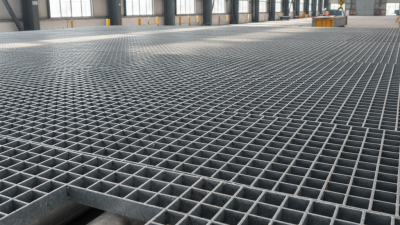
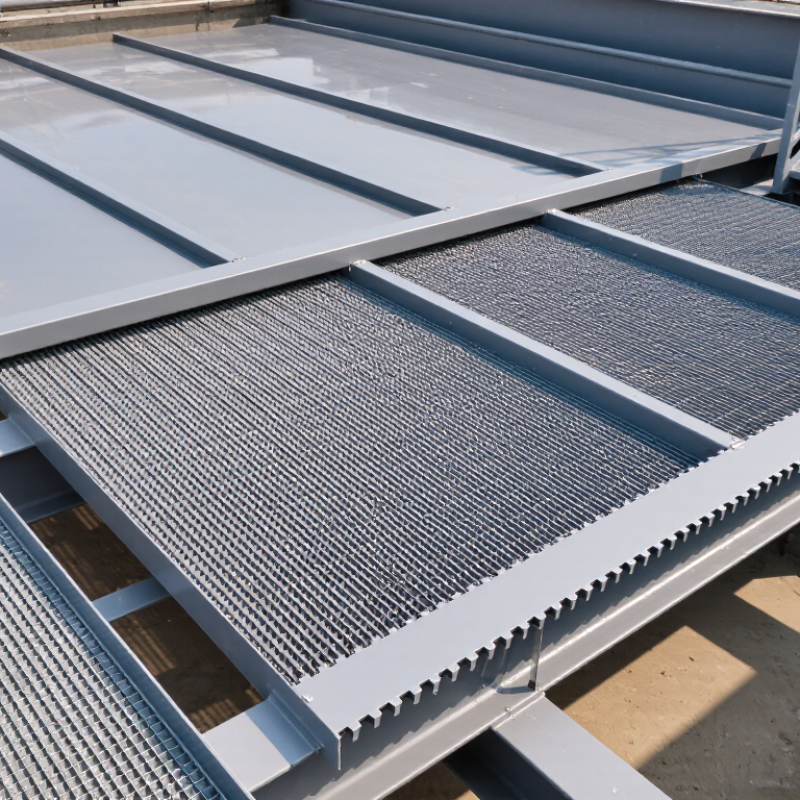
Press-welded steel grating is often classified by the finish underfoot. Plain-top grating has flat bearing bars and works well in dry interiors, walkways, and platforms where easy cleaning matters. Serrated-top bars have ridges that can improve traction in wet or oily areas. Small details matter. Serrations may also catch dirt, so maintenance needs should be considered. Hot-dip galvanizing is a protective finish, not a surface pattern; it helps resist corrosion outdoors, but cut edges and damaged areas still need attention.

Structure depends on the bearing bars, cross bars, and openings between them. Standard-mesh panels suit many access platforms, while close-mesh designs reduce the size of openings and can help support smaller wheels or objects. Heavy-duty grating uses stronger or more closely spaced bearing bars for higher loads. But “heavy-duty” is not a load rating by itself. Bar depth, span, support points, and load direction all affect performance. Check the relevant load data before specifying a panel. I have seen selection focus too much on appearance; the actual span is easy to overlook.
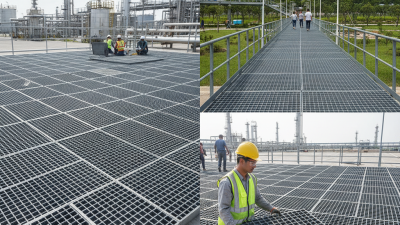
Plain-Bar Press-Welded Steel Grating

Plain-Bar Press-Welded Steel Grating

Plain-bar press-welded steel grating uses straight bearing bars joined to cross bars at regular intervals. The welded intersections create a firm, open grid. Light passes through. Water and small debris can drain between the bars, making this style useful for walkways, platforms, and equipment access areas.

A plain surface keeps the profile simple, but it does not guarantee a slip-resistant walkway. Wet conditions, footwear, and traffic all affect grip. Bar spacing and depth also influence stiffness and load capacity. For example, a long platform span may need deeper bearing bars than a short access step. Check the manufacturer’s load tables against the actual span and expected loads. It is not a cure-all. Corrosive environments may also require a suitable protective finish, which should be chosen for the site conditions.

Tips: Confirm the bearing-bar direction before installation; these bars carry the main load. Measure supports carefully, and secure panels against movement. Keep edges and cut areas protected as specified. A small layout mistake can leave an awkward gap. When loads or spans are uncertain, ask a qualified engineer to review the design.

Serrated-Bar Press-Welded Steel Grating

Serrated-bar press-welded steel grating combines load-bearing bars with cross bars joined under pressure. Notches cut into the bearing-bar tops create a textured walking surface. Under wet conditions, that extra bite can help reduce foot slippage. Grip matters. The U.S. Bureau of Labor Statistics reported 885 fatal work injuries involving falls, slips, and trips in 2023. This figure does not measure grating performance, but it shows why walking-surface design deserves attention.

The serration pattern is only one part of the specification. Engineers should match bar depth, spacing, span, and steel grade to the expected load, then check the manufacturer’s load tables. At installation, confirm that panels sit securely on their supports and that cut edges receive suitable protection.

It is easy to overrate the teeth: mud, grease, ice, or worn footwear can still create hazards. That detail is easy to overlook. Routine cleaning and inspection matter, especially around loading bays where grit gathers between bars. Serrated surfaces may also feel harsher underfoot, so the right choice depends on traffic, footwear, and exposure—not appearance alone.

Heavy-Duty and I-Bar Press-Welded Grating

Heavy-Duty and I-Bar Press-Welded Grating

Heavy-duty press-welded grating is designed for platforms and walkways that carry substantial loads. Its bearing bars support the main force, while welded cross bars keep the panels aligned. Underfoot, the open grid lets water and debris pass through. That can help in wet work areas, though small tools may fall through.

I-bar press-welded grating uses bearing bars with a narrower profile than traditional flat bars. This can reduce panel weight and make handling easier, especially when long spans or frequent access matter. Lighter does not automatically mean suitable. Check the clear span, bar spacing, support layout, and expected point loads before choosing a panel. A specification that looks adequate on paper may still feel springy underfoot.

Tips: Ask for the load and deflection data for the exact bar size and span. Confirm panel orientation before installation; bearing bars should run between supports. Also inspect welds and seating after fitting. Small alignment errors happen, and they are worth correcting early.

Top Types of Press-Welded Steel Grating: Heavy-Duty and I-Bar

Common nominal spacing options used in press-welded grating (millimeters)

Heavy-duty grating uses stronger bearing bars for higher loads, while I-bar grating uses an I-shaped bearing bar to reduce weight. The spacings shown are common options, not load ratings; capacity depends on bar dimensions, span, material, and the specified design.

Material and Finish Options for Press-Welded Grating

What Are the Top Types of Press Welded Steel Grating?

Material and Finish Options for Press-Welded Grating

Material choice affects strength, corrosion resistance, and maintenance. Carbon steel is a practical option for many platforms and walkways, especially when protected with a suitable finish. Stainless steel can suit damp or washdown areas, but the required grade depends on exposure. Press-welded grating is made by joining load bars and crossbars under pressure; confirm the design meets the project’s load and span requirements. Small details matter.

Finishes help match grating to its environment. Hot-dip galvanizing provides a zinc coating that helps protect steel from corrosion, including at edges and welds. Paint can add color and a barrier, but damaged areas may need touch-ups. Uncoated carbon steel may be suitable indoors in dry conditions, though it needs regular inspection. Stainless steel may require cleaning to preserve its surface, particularly where deposits collect. The right choice is not always obvious; consider moisture, chemicals, foot traffic, and maintenance access.

Tips: Ask for material and coating details, not just a finish name. Check cut edges and weld areas, and confirm how the grating will be supported. A sample can reveal surface texture and coating quality, but it cannot replace load calculations or project specifications.

WhatsApp Online Chat !