What is Serrated Steel Grating and How is it Used?
Serrated Steel Grating is an essential component in various industrial applications. It provides safety and stability in environments where slip resistance is crucial. According to industry expert Dr. Emily Johnson, "Serrated Steel Grating not only enhances safety but also offers excellent durability."
This type of grating features a unique serrated design, which improves traction. It serves multiple purposes, from flooring to walkways. Many facilities utilize Serrated Steel Grating because it withstands harsh conditions, providing reliable support. However, the choice of material and design must be carefully considered.
While its benefits are clear, some applications may overlook the importance of proper installation. Incorrect setups can lead to issues, such as inadequate load-bearing capacity. Reflecting on best practices can prevent future complications. Ultimately, understanding Serrated Steel Grating is vital for maintaining safety and functionality in industrial settings.
Definition and Characteristics of Serrated Steel Grating
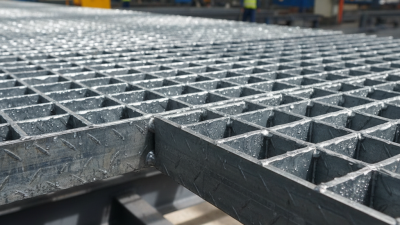
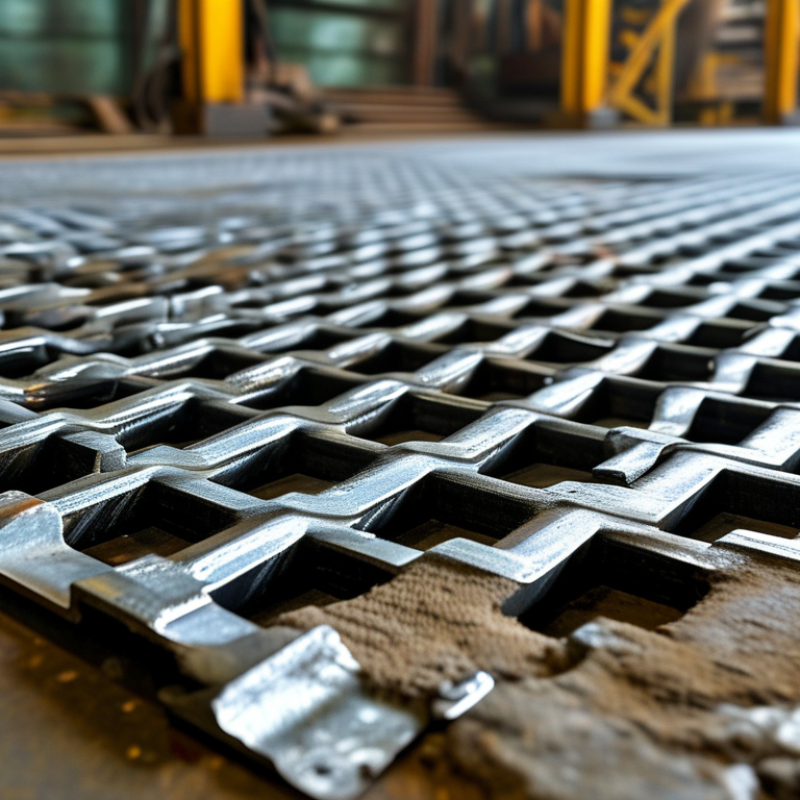
Serrated steel grating is a type of flooring used in various industries. Its unique design features raised edge profiles that enhance traction. This characteristic makes it ideal for environments where safety is a priority. For example, slippery surfaces in factories or outdoor settings benefit greatly from this type of grating.
These grates offer durability. They can withstand heavy loads, making them suitable for high-traffic areas. The serrated edges help to channel water away, reducing pooling and slip hazards. However, maintenance can be an issue. Regular cleaning is necessary to keep debris from obstructing drainage.
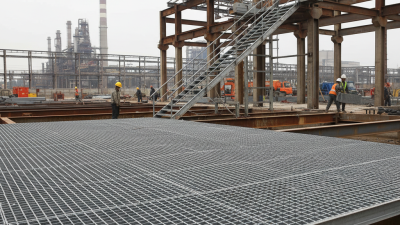
Applications of serrated steel grating include walkways, platforms, and stair treads. They are often used in petrochemical plants and water treatment facilities. Despite their advantages, some users may find installation challenging. The weight of the grating may require additional support structures.
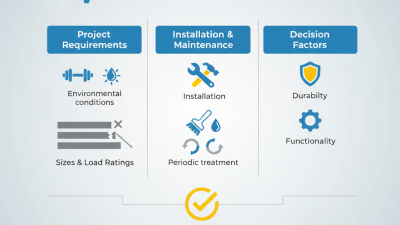
Each project has unique requirements, which can complicate the implementation process. It's crucial to consider these factors when choosing serrated steel grating for specific applications.
Common Applications of Serrated Steel Grating in Various Industries
Serrated steel grating is widely used across various industries due to its robust design and slip-resistant properties. In the construction sector, it often serves as walkways or platforms, particularly in areas with high foot traffic. A 2021 industry report noted that serrated grating could reduce slip hazards by up to 50%, making it an essential safety feature. Its unique surface enhances grip, which is critical in environments exposed to liquids or harsh weather.
In the oil and gas industry, serrated steel grating plays a crucial role in the design of offshore platforms and refineries. These applications demand materials that can withstand corrosive elements and harsh conditions. The use of serrated grating can lower the risk of workplace accidents and improve operational efficiency. According to a recent survey, over 70% of safety managers in this sector prioritize non-slip flooring options for their projects.
While serrated steel grating is effective, not all installations are perfect. Some users report challenges with maintenance, as dirt and debris can accumulate in the troughs. Regular cleaning is essential to maintain safety standards. Additionally, improper installation can lead to uneven surfaces, creating potential safety risks. Continuous training for staff on proper handling and maintenance practices can help mitigate these issues.
Comparison of Serrated Steel Grating and Regular Steel Grating
Serrated steel grating features a unique design that provides enhanced slip resistance. It is engineered with serrated edges, ideal for high-traffic areas and safety needs.
This design differs significantly from regular steel grating, which lacks this specific texture. Regular grating is often smoother and may not offer the same level of grip under wet or slippery conditions.
When comparing these two types, serrated steel grating excels in environments where safety is paramount. Factories, outdoor walkways, and platforms often utilize serrated gratings to minimize accidents.
Regular steel grating, while often less expensive, may not provide the same level of security. Its slick surface can become hazardous in certain applications.
Tips: Ensure you assess your specific environment before choosing grating. Think about foot traffic and the likelihood of spills. Additionally, check for compliance with safety regulations in your industry. This could help avoid potential liabilities.
Installation Methods and Best Practices for Serrated Steel Grating
Serrated steel grating is widely used for walkways, platforms, and drainage covers due to its slip-resistant surface. To ensure optimal safety and longevity, proper installation methods are crucial. According to industry reports, the correct installation of serrated grating can enhance safety in risky environments by up to 30%. This is especially relevant in areas prone to water exposure.
When installing serrated steel grating, it's important to follow specific techniques. Begin by ensuring a level substructure. Use appropriate fastening methods, such as clips or welds, to secure the grating. Most grating should be anchored with a minimum of four fasteners for stability. Not using enough fasteners can lead to safety hazards. Ensure that every piece fits snugly to avoid gaps that may lead to slips or falls.
Regular inspections are also essential after installation. Inspect for wear, corrosion, and secure fittings at least annually. Pay attention to the grating's surface texture. A dull or worn surface can signify that it is time for replacement. Over time, user feedback often highlights that the initial choice of grating can impact long-term performance, making it a key consideration for contractors.
What is Serrated Steel Grating and How is it Used? - Installation Methods and Best Practices for Serrated Steel Grating
| Dimension |
Description |
Usage |
Installation Method |
| Thickness |
Typically ranges from 3/16" to 1/2" |
Used in high-traffic areas for safe footing |
Welded or bolted down to the supporting structure |
| Bearing Bar Spacing |
Commonly 1", 1-1/4", or 1-1/2" |
Enhances drainage while allowing light to pass |
Secured using anchors for vertical applications |
| Finish |
Hot-dip galvanized or painted |
Protects against rust and extends lifespan |
Consider using non-slip coatings for added safety |
| Length |
Customizable lengths up to 20 feet |
Applications in platforms, walkways, and stair treads |
Standardized for ease of installation in most settings |
Maintenance and Safety Considerations for Serrated Steel Grating
Serrated steel grating offers a robust solution for various industrial applications. However, maintenance and safety are paramount. According to the National Institute for Occupational Safety and Health (NIOSH), slip and fall accidents account for a significant percentage of workplace injuries. Regular inspections of serrated grating can reduce this risk. Check for signs of wear, corrosion, or obstruction. These inspections should be documented meticulously for compliance and safety audits.
Proper cleaning methods are crucial. Loose debris can compromise grip and safety. A study by OSHA indicates that 25% of falls are attributable to such factors. Using a wire brush or pressure wash can help maintain the grip provided by the serrated edges. Regular maintenance increases longevity and ensures the grating remains slip-resistant.
Despite their advantages, some challenges persist. Weathering can lead to deterioration, particularly in harsh climates. Rust formation is a common issue. Employing protective coatings may mitigate this. Nonetheless, regular monitoring remains essential. Understanding these factors can enhance safety protocols and contribute to a safer working environment.