Top 10 Steel Bar Grating Options for Global Buyers?
In the competitive world of industrial materials, "Steel Bar Grating" stands out as a crucial solution for various applications. David Smith, a leading expert in the steel fabrication industry, once noted, “Choosing the right grating can significantly enhance safety and durability.” This statement reflects the importance of selecting the best options available on the market.
The variety of Steel Bar Grating options can be overwhelming. Each type has its unique features and benefits, tailored for specific environments and requirements. For global buyers, understanding these distinctions is key. From heavy-duty applications in industrial settings to lighter options for pedestrian walkways, the choices are vast.
However, not all grating meets the necessary standards. It's crucial for buyers to consider factors like load capacity, material quality, and finish. Some products may appear cost-effective but compromise on safety and longevity. Hence, reflecting on product selections can lead to better outcomes and improved infrastructure.
Understanding Steel Bar Grating: Types and Applications
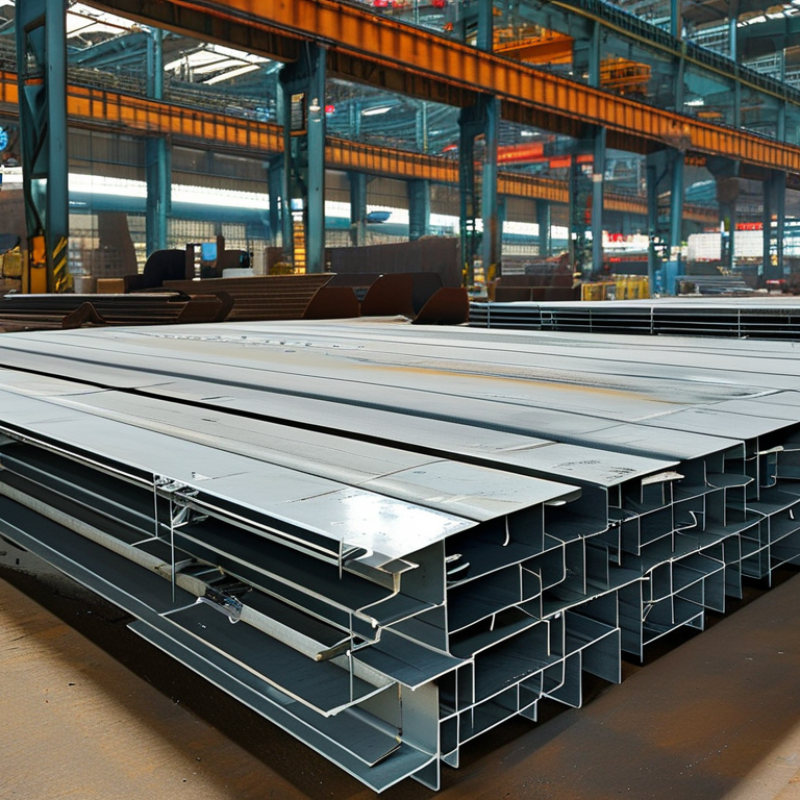
Steel bar grating is essential across various industries, offering durability and safety. This type of flooring is manufactured from carbon or stainless steel and is known for its load-bearing capabilities. The global steel bar grating market is significant, growing at a rate of 4.3% annually. Understanding its types and applications is crucial for buyers looking to make informed decisions.
It comes in several forms, including welded, riveted, and swaged steel gratings. Each type has unique applications. For instance, welded grating is popular in heavy-duty settings like factories. In contrast, swaged grating offers lightweight options for pedestrian walkways. Different industries, from construction to food processing, utilize these gratings, highlighting their importance.
Tips for choosing the right steel bar grating include assessing the load requirements of your application. Look into environmental factors, such as exposure to chemicals or extreme weather. Ensure the grating meets safety standards to prevent accidents. Remember that while steel grating is robust, it can corrode if not maintained properly. Regular inspections are essential for long-term viability.
Top 10 Steel Bar Grating Options for Global Buyers
| Type |
Material |
Load Rating (lbs) |
Applications |
Weight (lbs/sq. ft) |
| Standard Bar Grating |
Steel |
1,000 |
Industrial Floors |
5 |
| Heavy Duty Grating |
Stainless Steel |
2,000 |
Walkways |
10 |
| Light Duty Grating |
Galvanized Steel |
500 |
Platforms |
3 |
| Floor Grating |
Carbon Steel |
1,200 |
Mezzanines |
6 |
| Walkway Grating |
Aluminum |
1,500 |
Pedestrian Areas |
4 |
| Expanded Metal Grating |
Steel |
1,800 |
Ventilation |
7 |
| Serrated Grating |
Carbon Steel |
2,200 |
Heavy Equipment Areas |
11 |
| Custom Fabricated Grating |
Stainless Steel |
3,000 |
Special Applications |
12 |
| Plastic Grating |
Fiberglass |
600 |
Chemical Plants |
2 |
| Bar Grating |
Aluminum |
1,900 |
Walkways |
5 |
Key Factors to Consider When Choosing Steel Bar Grating
When selecting steel bar grating, understanding key factors is essential. Material type plays a significant role. Common choices include carbon steel, stainless steel, and aluminum. Each material offers different levels of corrosion resistance and strength. It’s crucial to consider the environment where the grating will be used. For instance, stainless steel is often preferred in coastal areas due to its higher resistance to rust.
Load capacity is another critical aspect. Grating must support the intended weight without deformation. Different projects require varying load ratings. Knowing the weight of equipment or foot traffic is necessary before making a decision. Additionally, spacing between the bars affects both load capacity and safety. Wider spaces can improve drainage but might compromise stability.
Installation and maintenance shouldn’t be overlooked. Some grating types are easier to install than others. Factors like cutting requirements and fastening methods can complicate the process. Regular maintenance affects longevity. It’s advisable to consider whether the grating can be easily cleaned or inspected. Neglecting these details may lead to higher costs in the long run.
Top 10 Steel Bar Grating Products for Global Markets
Steel bar grating serves various industrial needs. It offers durability, safety, and efficiency. In global markets, buyers look for dependable products that meet specific requirements. The ideal steel grating must support heavy loads while allowing for optimal drainage. When selecting products, engineers often consider weight capacity and spacing.
Various types of steel grating exist, like welded and riveted options. Each type has advantages and disadvantages. For example, welded grating tends to be stronger but may require more time to fabricate. Riveted grating is often easier to install, although it might not offer the same load capacity. It is essential to assess the unique demands of your project.
A reliable supplier can provide essential certifications and material specifications. While many manufacturers claim quality, not all adhere to the same standards. Buyers should conduct thorough research and possibly request samples. Attention to detail can make a significant difference in performance and safety. Consider the long-term implications of your choice. Balancing cost with quality is often a challenge in today's market.
Comparative Analysis of Steel Bar Grating Manufacturers
When analyzing steel bar grating manufacturers, it's crucial to consider their material quality and production standards. According to the Global Grating Market Report, the market is expected to grow significantly from $3 billion in 2022 to $4.5 billion by 2030. This growth reflects increasing demand in construction and industrial applications. Understanding the key players helps buyers navigate this expanding market.
Different manufacturers exhibit varied certifications and adherence to industry standards. For instance, ISO 9001 certification ensures consistent quality management. However, not all manufacturers maintain rigorous testing protocols. Buyers should be aware of the absence of certain quality checks, which can lead to variability in performance over time. In some cases, cost-effective options may compromise structural integrity, posing a safety risk.
Pay attention to load ratings and material specifications. Steel grating typically comes in various sizes, with standard load-bearing capacities ranging from 250 to 2000 pounds per square foot. Engaging with a manufacturer that provides clear product specifications can prevent misunderstandings.
Consider ordering samples before making a bulk purchase. This step allows you to evaluate the product's durability and suitability for your specific needs. Always inquire about the manufacturer's warranty policies, as these can provide additional peace of mind regarding your investment.
Future Trends in Steel Bar Grating Technologies
In the realm of steel bar grating technologies, several emerging trends are shaping the future. One significant trend is the push towards sustainability. Manufacturers are exploring eco-friendly materials and production processes. This focus on reducing environmental impact is becoming essential for buyers concerned about their carbon footprint.
Another noteworthy development is the integration of smart technologies. Smart steel grating can now monitor conditions in real-time. These advancements help detect structural weaknesses and inform maintenance needs, enhancing safety and longevity. However, not all manufacturers are ready for such innovations. The learning curve can be steep for some, resulting in inconsistent quality and performance.
Customization is also on the rise. Buyers increasingly seek tailored solutions for their specific needs. This trend adds complexity to production but offers exciting possibilities. Not every company adapts quickly, leading to gaps in customer satisfaction. As the industry evolves, addressing these challenges will be crucial for both manufacturers and buyers.