What is Black I Bar Grating and Its Applications in Industry?
Black I Bar Grating is gaining recognition in various industrial applications for its durability and strength. Expert John Smith, a leader in industrial materials, notes, "Black I Bar Grating provides a robust solution where strength and safety are paramount." This type of grating, made from high-quality steel, is often used in environments that demand high load-bearing capabilities and corrosion resistance.
Industries such as construction, oil and gas, and manufacturing frequently employ Black I Bar Grating. Its design allows for optimal drainage and airflow, making it ideal for many settings. The black finish not only enhances aesthetics but also offers an additional layer of protection. However, not all applications may require such robustness, leading to discussions on suitability versus cost-effectiveness.
Implementing Black I Bar Grating involves thoughtful considerations. Sometimes, users may overlook alternative materials. This choice can lead to unnecessary expenses. Understanding the specific application needs is crucial. As industries evolve, the demand for innovative solutions continues to grow. Reflecting on these factors can lead to better decision-making in material selection.
What is Black I Bar Grating? Definition and Characteristics
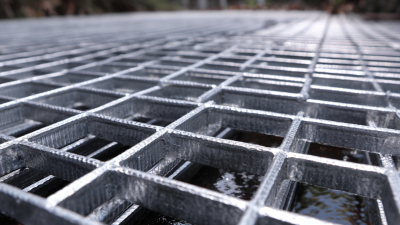
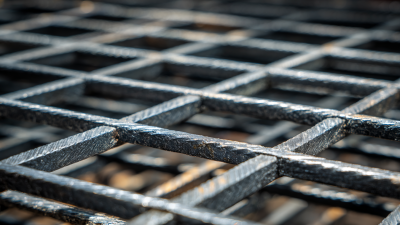
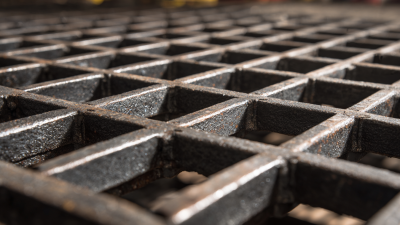
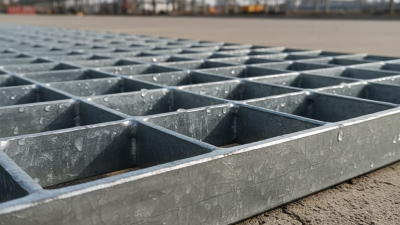
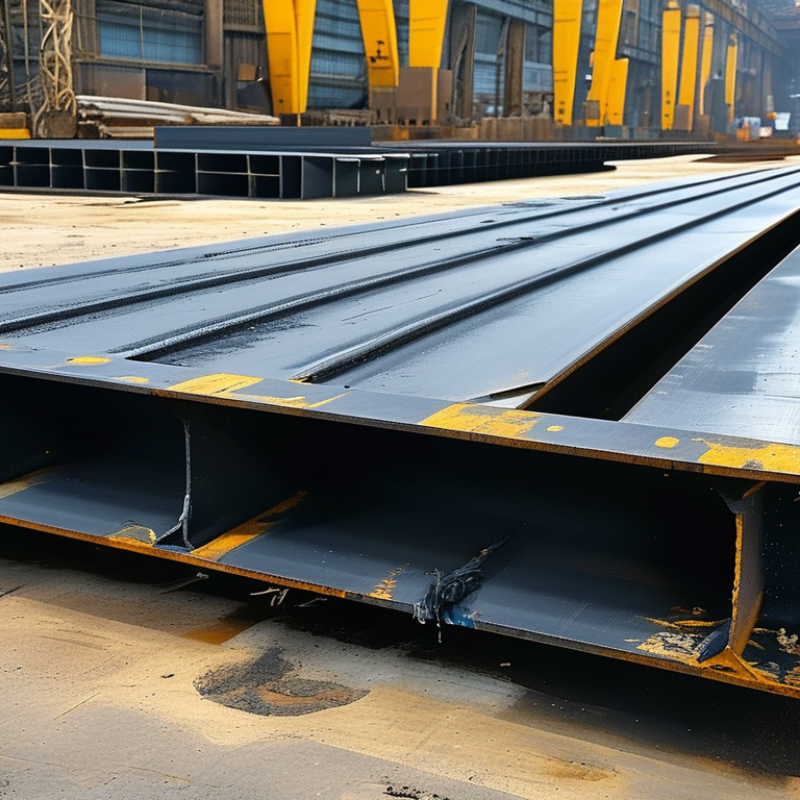
Black I Bar Grating is a type of metal grating known for its unique profile and strength. Commonly made from steel, it features a series of bars arranged in a staggered pattern. This design helps with load distribution while providing necessary support. In industrial applications, Black I Bar Grating is favored for its slip resistance. This is crucial in environments where safety is a priority. About 65% of workplace accidents are due to slips, trips, and falls, highlighting the importance of using reliable materials.
The characteristics of Black I Bar Grating make it suitable for various industries. Its lightweight nature makes installation easier, reducing labor costs by up to 30%. Furthermore, it can withstand harsh weather conditions and heavy loads, ensuring longevity. Data from industry reports suggest that metal grating can last up to 30 years with proper maintenance. Additionally, its design allows for efficient drainage, which minimizes water accumulation. In sectors like construction and manufacturing, these features are essential for maintaining safety standards and operational efficiency.
While the benefits are significant, there are challenges to consider. For instance, the initial cost of Black I Bar Grating can be higher compared to other materials. However, its durability and safety features often justify the investment. Industries must weigh these factors when selecting materials. It's vital to regularly assess the condition of grating installations to prevent potential hazards. Ongoing evaluations ensure that the materials continue to meet safety and performance standards. Thus, responsible decision-making is crucial in the use of Black I Bar Grating.
Historical Development and Evolution of I Bar Grating Technology
I-bar grating technology has evolved significantly over the years. Initially developed in the early 20th century, I-bar grating was designed for strength and durability. Black I-bar grating emerged as a preferred choice due to its aesthetic appeal and enhanced resistance to corrosion. This evolution reflects a response to the needs of various industries, including construction and manufacturing.
Over time, the production methods for I-bar grating have improved. Innovations in metallurgy and welding have made it possible for producers to create grating that withstands harsher environments. These advancements also resulted in lighter, yet strong, materials that are easier to install. The transition from traditional steel grating to more advanced variations illustrates the ongoing challenges in the industry.
Despite these advancements, limitations still exist. Some applications may require further enhancements to address specific environmental issues. Designers must continuously assess how to improve I-bar grating while balancing cost and functionality. As industries evolve, the demand for both quality and performance remains a priority, showcasing the ongoing journey of I-bar grating technology.
What is Black I Bar Grating and Its Applications in Industry?
| Application Area |
Material Type |
Historical Development |
Functionality |
| Architectural Grating |
Steel |
Introduced in the 1930s for flooring |
Enhanced aesthetics and safety in buildings |
| Industrial Walkways |
Aluminum |
Developed in the 1960s for heavy industries |
Durability and slip resistance |
| Wastewater Treatment |
Fiberglass |
Evolved in the 1980s for corrosion resistance |
Allows for easy drainage and access |
| Renewable Energy |
Composite Materials |
Emerging applications since 2010 |
Lightweight and efficient for solar installations |
Key Industries Utilizing Black I Bar Grating: A Comprehensive Overview
Black I Bar Grating is a versatile product widely used in various industries. Its structural integrity and anti-slip features make it ideal for high-traffic areas. Key sectors utilizing this product include construction, manufacturing, and energy. In 2022, the global industrial grating market was valued at approximately $2.1 billion, with a projected growth rate of 6% annually. Such data highlights the increasing demand for durable materials.
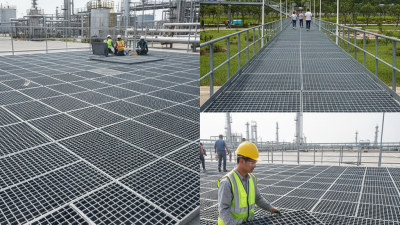
In construction, Black I Bar Grating provides safe walkways and support for heavy loads. Its lightweight nature simplifies installation, reducing labor costs. The manufacturing sector benefits from its resistance to corrosion, particularly in chemical processing plants. Energy industries often employ it in power plants, given its ability to withstand harsh environments.
**Tip:** When selecting grating, consider the load-bearing capacity required for your application.
**Tip:** Regular maintenance can significantly extend the lifespan of Black I Bar Grating, especially in demanding conditions.
While Black I Bar Grating offers numerous advantages, it may not be suitable for every scenario. Assessing your specific needs is essential to avoid costly mistakes in material selection.
Benefits of Black I Bar Grating: Strength, Durability, and Cost-Effectiveness
Black I Bar Grating is a popular choice in various industries due to its remarkable strength and durability. It is crafted from high-quality steel, making it an ideal option for environments that require heavy loads. According to industry reports, black I bar grating can support loads exceeding 1,500 pounds, making it suitable for application in industrial walkways and heavy machinery platforms. Its design enhances drainage and reduces buildup, which is vital in many operational settings.
Cost-effectiveness is another critical advantage of black I bar grating. Compared to other types of flooring solutions, it offers a longer lifespan and reduces maintenance costs. A recent study indicated that using durable materials like I bar grating can lower replacement frequency by up to 30%. This led to significant savings over time. However, potential buyers should consider the initial investment and long-term benefits carefully. In some cases, cheaper alternatives may lead to higher ongoing costs, creating a false economy.
The thermal and chemical resistance properties of black I bar grating add further value to its application. It performs well in environments with extreme temperatures or exposure to chemicals, making it versatile. Reports show that its resistance to corrosion can extend its functional life significantly. However, users must also factor in environmental conditions that could affect performance. Understanding these aspects ensures informed choices in industrial applications.
Benefits of Black I Bar Grating in Industry
This chart illustrates the benefits of Black I Bar Grating in terms of Strength, Durability, and Cost-Effectiveness, each rated on a scale of 1 to 10.
Future Trends and Innovations in Black I Bar Grating Applications
The future of black I bar grating looks promising as industries increasingly seek durable and efficient flooring solutions. Its standout features—strength and resistance to corrosion—make it a popular choice for harsh environments. A 2022 market analysis by Global Market Insights noted a projected growth rate of over 5% annually for industrial flooring materials. This trend reflects a growing awareness of safety and sustainability in workplace environments.
Innovations in black I bar grating design are expanding its applications. Recent developments include custom sizing and enhanced surface finishes that improve grip. This is crucial in settings where slip hazards are prevalent. The construction sector, for example, is currently embracing these advancements. A report by Grand View Research highlights how multifunctional gratings contribute to safety protocols, especially in factories and warehouses.
However, the adoption of these innovations can be slow. Many companies may hesitate to invest in new technologies. Initial costs and installation challenges often lead to unnecessary delays. Yet, as industries prioritize employee safety and operations, black I bar grating will likely become a staple. Balancing innovation with practical constraints remains a key hurdle for many organizations.