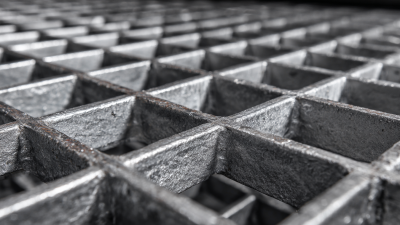
2026 Top Grating Galvanized Options for Global Buyers?
In the realm of industrial construction, "Grating Galvanized" stands out as a pivotal material choice for many global buyers. John Smith, a renowned expert in metal fabrication, once said, “Choosing the right grating can significantly impact the safety and durability of a structure.” As industries evolve, so does the demand for innovative and sustainable solutions.
Many buyers are seeking optimal options for their projects. Grating Galvanized offers strength and corrosion resistance, making it a practical choice. However, not all galvanized grating products are created equal. Buyers must navigate variations in quality and performance. This makes expert advice crucial.
The landscape of grating options is shifting. Buyers should consider different types and their applications. While they might find appealing choices, understanding the nuances is essential. Each project may require a tailored approach to grating selection. Thus, careful reflection on industry trends and expert insights becomes vital for making informed decisions.
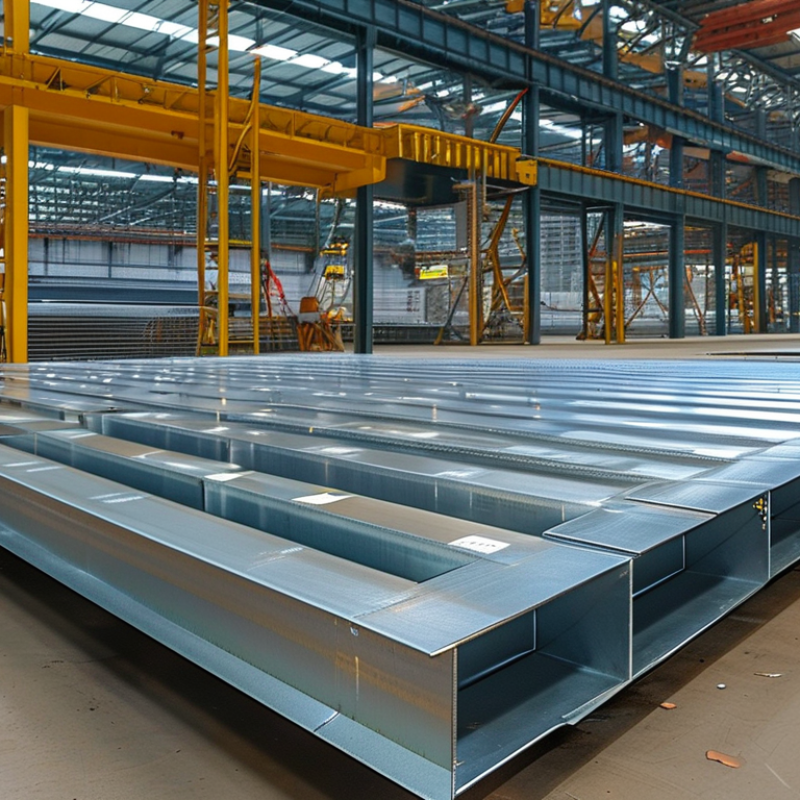
2026 Global Market Overview for Grating Galvanized Products
The global market for galvanized grating products is evolving rapidly. In 2026, industry trends indicate a steady increase in demand. Galvanized grating is popular due to its durability and resistance to corrosion. Manufacturers are focusing on eco-friendly production processes. This shift reflects a growing awareness of sustainability. Efficient and durable, these products are essential in various sectors.
Market dynamics differ across regions. North America leads in innovation, while Asia-Pacific shows rising consumption. Different regions have unique requirements for galvanized products. For instance, industrial applications require higher load capacities. In contrast, commercial spaces prioritize aesthetics. Competitors often struggle to meet these diverse needs while maintaining quality.
Buyers seek reliable suppliers. They value transparency in sourcing materials. Many companies are not fully transparent yet. Challenges remain in standardization of products across markets. Discussions around certifications are ongoing. As buyers navigate these complexities, the need for experienced partners becomes crucial. Adapting to buyers' expectations will define success in the global market for galvanized grating products.
Key Factors Driving Demand for Grating Galvanized Options in 2026
The demand for galvanized grating options in 2026 is being driven by several key factors. The global market for industrial grating is projected to reach $5.9 billion by 2026, according to recent reports. This growth is partly due to the expanding construction sector. Galvanized grating is favored for its durability and corrosion resistance. Industries like oil and gas, water treatment, and power generation increasingly rely on these materials.
Environmental concerns are also influencing demand. Companies seek sustainable solutions. Galvanized grating options often have a longer life span, reducing the frequency of replacements. A study indicated that structures using galvanized products can last up to twice as long as non-galvanized counterparts. However, some imports may not meet local durability standards, leading to potential issues for buyers. Misalignment with regulatory requirements can result in costly delays.
Cost-effectiveness is vital. While galvanized grating may have a higher upfront cost, its long-term benefits are significant. A 2023 survey reported that 65% of companies noted a decrease in maintenance costs after switching to galvanized materials. Yet, stakeholders should remember to thoroughly assess supplier reliability. The decision-making process can often be complex, highlighting the need for careful evaluation in this evolving market landscape.
2026 Top Grating Galvanized Options for Global Buyers
| Material Type |
Thickness (mm) |
Coating Type |
Load Capacity (kg) |
Application Area |
Projected Demand Growth (%) |
| Steel |
5 |
Hot-Dip Galvanized |
500 |
Industrial Flooring |
10% |
| Aluminum |
3 |
Anodized |
300 |
Walkways |
15% |
| Fiberglass |
4 |
UV Resistant |
400 |
Chemical Plants |
20% |
| Plastic |
6 |
Coated |
200 |
Recreational Areas |
5% |
Comparative Analysis of Grating Galvanized Materials and Coatings
Grating galvanized materials play a critical role in various construction and industrial applications. A comparative analysis of these materials reveals distinct differences in durability and performance. According to a recent industry report, galvanized steel grating can exhibit corrosion resistance up to 30 years when properly coated. The type of coating significantly influences this longevity. Hot-dip galvanization provides a thicker and more protective layer compared to electro-galvanization, which may wear off faster.
However, the choice of coating should reflect specific needs. For instance, marine environments require grating materials with high resistance to saltwater corrosion. In such cases, specialty coatings like zinc-rich ones are recommended. They offer enhanced protection but may come with a higher cost. Observations show that while many industries prefer standard coatings, they might overlook the long-term benefits of investing in more advanced materials. This oversight can lead to increased maintenance costs and replacement needs down the line.
It is essential to ground decisions in thorough research that captures the nuances of grating galvanized materials. Advanced coatings provide superior resistance, but they require careful evaluation of environmental factors. A lack of attention in this area could diminish the overall effectiveness of the material. Seeking insights from industry experts often helps, as they can offer reliable information for informed decision-making in material selection.
Regional Market Insights: Top Buyers and Suppliers of Grating Galvanized
The global demand for galvanized grating is on the rise. According to recent industry reports, the market is expected to grow by approximately 5.2% annually until 2026. Key buyers come from construction, warehousing, and manufacturing sectors. Regions like North America and Europe lead in consumption, driven by increasing infrastructure investments and stringent safety regulations.
Suppliers in Asia, especially China and India, are gaining traction due to competitive pricing. The report highlights that local suppliers often offer innovative products, catering to niche markets. Buyers value reliability, as quality is crucial for industrial applications. Certifications and compliance with standards are essential for new partnerships in this space.
Tips: Evaluate suppliers based on their certifications. Ensure they meet international quality standards. Building long-term relationships can yield benefits, such as access to exclusive products and pricing. Consider regional suppliers for cost-effective options without compromising quality. Regularly assess market trends to stay ahead in sourcing galvanized grating efficiently.
Future Trends and Innovations in Grating Galvanized Technologies
The galvanized grating market is witnessing noteworthy innovations. Recent industry reports indicate a projected growth rate of 6.5% annually through 2026. This surge is largely driven by advancements in surface treatment technologies and the growing emphasis on corrosion resistance. Many manufacturers are now exploring innovative coatings that extend the lifespan of galvanized products, addressing long-standing durability concerns.
Sustainability has emerged as a pivotal trend. According to a 2023 market analysis, over 30% of production is now focused on eco-friendly processes. These processes not only improve environmental footprints but also reduce overall costs in the long term. However, the transition to greener technologies presents challenges in terms of initial investments and operational adjustments.
The evolution of automated manufacturing processes is also revolutionizing the sector. Smart technologies enhance precision, leading to uniformity and quality. However, supply chain issues have made it difficult for some companies to adopt these technologies fully. As we look ahead, collaboration among industry players will be crucial to navigate these challenges and fully leverage the potential of newer galvanizing techniques.