What is the Weight of I Bar Steel Grating in 2026?
In 2026, the construction industry faces increasing demand for sustainable materials. Understanding the "I Bar Steel Grating Weight" is essential for engineers and architects. Dr. Emily Carter, a leading expert in structural materials, emphasizes, “Weight affects not only durability but also transportation costs.”
The weight of I Bar steel grating directly influences its applications. Lighter grating can reduce costs but may compromise strength. Finding the right balance is challenging. The industry must be mindful of these considerations when selecting materials.
As the market evolves, the standards for I Bar steel grating are likely to shift. Experts anticipate innovations in manufacturing processes. However, not all advancements will be effective. It is crucial to remain critical of new developments. The goal should be to achieve an optimal weight that balances performance and economic efficiency.
Overview of I Bar Steel Grating and Its Applications in 2026
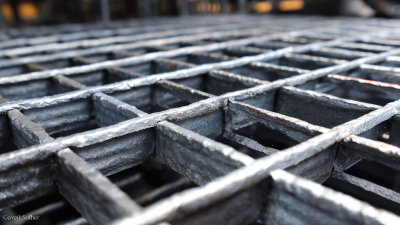
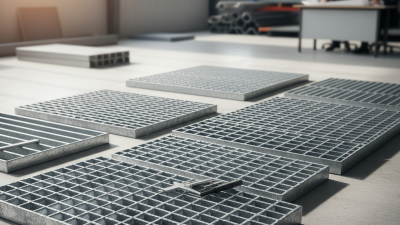
I Bar steel grating, a popular choice in construction, is known for its strength and durability. This product is essential in various applications, from walkways to drainage covers. In 2026, the weight of I Bar steel grating is expected to maintain an industry standard, with densities ranging between 20 to 30 kilograms per square meter. This variation depends on the specific design and depth of the bars.
The construction market is projected to grow, amplifying the demand for I Bar steel grating. Its benefits extend to anti-slip surfaces and load-bearing capabilities. Reports indicate that the global steel grating market could exceed $1 billion by 2026. However, while strong, the material does have limitations. Corrosion can reduce its lifespan if not properly treated. Additionally, the exact weight can vary slightly, leading to potential discrepancies in project estimations.
For industries relying on heavy equipment, the load capacity of I Bar steel grating is critical. It typically ranges from 1,200 to 3,000 pounds per square foot. Users must ensure they select the appropriate type for their specific load requirements. The complexity of choosing the right weight emphasizes the need for careful analysis during the selection process.
Factors Influencing the Weight of I Bar Steel Grating
The weight of I Bar steel grating is influenced by several factors. Material thickness plays a crucial role. Thicker bars increase weight significantly. The spacing between bars also impacts the overall weight. Wider gaps typically reduce the total weight of the grating.
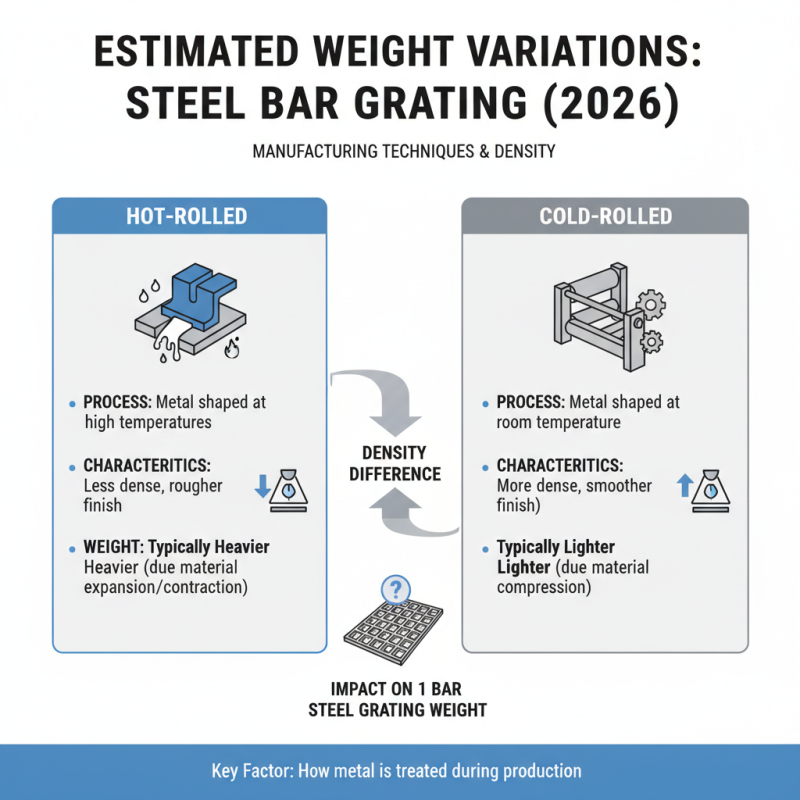
Additionally, the type of steel used can change the weight. Different steel alloys have varying densities. A denser material will naturally contribute to a heavier grating. Construction methods are another factor. Welding and structural integrity can affect how much material is needed.
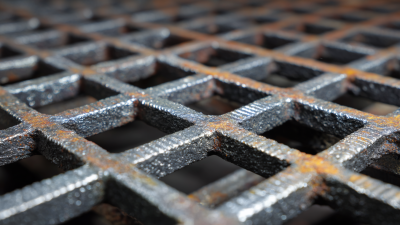
Environmental conditions may alter weight over time as well. Corrosion or rust can reduce weight but also compromise durability. Mechanical stress from load and usage must be considered too. All these factors interact in complex ways. It’s a puzzle where each piece matters. Understanding this helps in making informed decisions for future projects.
Comparison of I Bar Steel Grating Weight with Other Grating Types
When comparing I Bar steel grating to other types, weight is a crucial factor. I Bar steel grating typically has a robust structure, providing solid load-bearing capacity. This makes it heavier than lighter alternatives like fiberglass grating or expanded metal grating. The weight difference can affect installation and transportation costs.
Other grating types, like aluminum grating, are much lighter. Aluminum offers benefits such as corrosion resistance and ease of handling. However, it may lack the strength that I Bar steel grating provides. In heavy-duty applications, the heavier I Bar can perform better under stress. Still, sometimes the additional weight can complicate logistics and installation timelines.
Factors like space and environmental conditions also influence the choice of grating. The weight of each type can affect your project decisions. A lighter option may save time and effort in certain situations. Reflecting on these aspects is essential for effective planning. Careful consideration of grating weight leads to better project outcomes. Selecting the right type involves weighing all these details.
Future Trends in I Bar Steel Grating Production and Weight Considerations
The production of I Bar steel grating is expected to evolve significantly by 2026. Engineers are looking for innovative materials that can maintain strength while reducing weight. This will change how structures are designed and built in various industries. Lighter grating can lead to cost savings in transportation and installation. It could also open new applications where traditional steel grating might not fit.
Sustainability is becoming a priority for manufacturers. The focus is on recycling and using eco-friendly materials. This shift could affect the overall weight and durability of I Bar steel grating. However, market demands may complicate these changes. Companies must balance cost, sustainability, and performance, reflecting on the choices they make.
The anticipated advancements in production processes could lead to more efficient techniques. These improvements might help reduce wastage in manufacturing. Still, questions remain on how this will affect weight. Evaluating durability versus lightness will be essential. Grating that is too light may not hold up under stress. This is a risk engineers must consider as they design for the future.