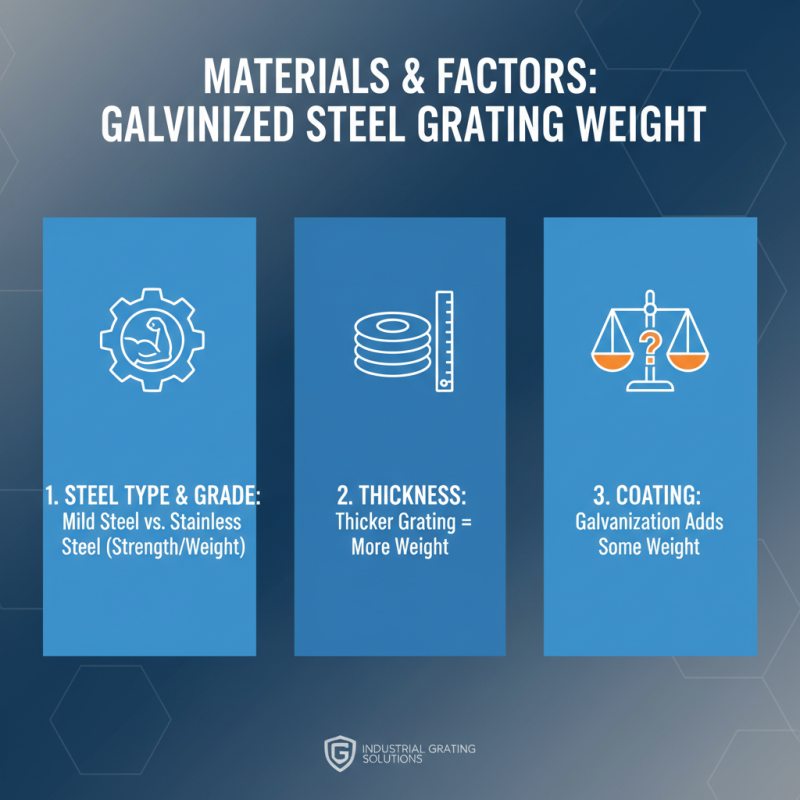
Top 10 Factors Impacting Galvanized Steel Grating Weight?
In the world of construction and fabrication, the importance of understanding galvanized steel grating weight cannot be underestimated. Renowned expert, Dr. James Holloway, states, "The weight of galvanized steel grating can significantly influence structural integrity and project costs." This statement underlines the critical nature of this topic.
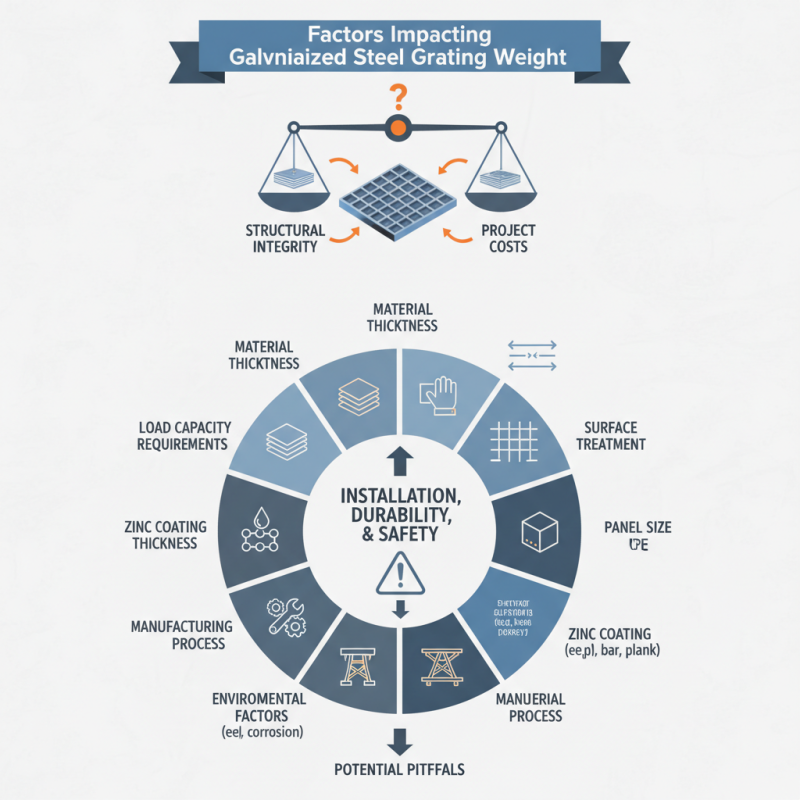
Several factors contribute to the variations in galvanized steel grating weight. Material thickness, bar spacing, and surface treatment play vital roles. For instance, a thicker grating will naturally weigh more. Failure to consider these aspects can lead to challenges in project planning and execution.
Understanding galvanized steel grating weight is essential. It affects installation, durability, and safety. Yet, many project managers overlook these details, leading to potential pitfalls. The complexity of these factors calls for a deeper exploration. Recognizing the significance of each element is crucial for any successful project.
Factors Influencing the Thickness of Galvanized Steel Grating
When assessing galvanized steel grating, thickness plays a crucial role in determining overall weight. A thicker grating typically offers better strength, durability, and load-bearing capacity. According to a recent industry report, a standard 1-inch thick galvanized steel grating weighs approximately 50% more than a 0.5-inch version. This difference is significant for projects where weight constraints are paramount.
Design always impacts thickness. Some applications might require heavier weight for stability or safety. For example, installations in high-traffic areas benefit from thicker steel, which can endure more stress. Yet, not all projects need such robust solutions. A less demanding environment may not justify the addition of unnecessary weight.
Tips: Always consider the environment. Assess the exact needs before selecting thickness. Over-specifying can lead to increased costs and unnecessary use of materials. Sometimes thinner grating might suffice, depending on load requirements. Weight isn’t everything. Prioritize balancing strength and efficiency for optimal performance.
Materials Used in the Manufacturing of Galvanized Steel Grating
Galvanized steel grating serves as a reliable solution in various applications. The weight of this material can vary significantly. One key factor is the type of steel used. Different grades provide different strengths and weights. Metals such as mild steel or stainless steel will have unique properties. The thickness of the steel also plays a critical role. Thicker grating will naturally weigh more.
The manufacturing process affects the final product as well. Hot-dip galvanizing adds a layer of zinc, increasing weight. This method also enhances corrosion resistance. It's important to choose the right method for specific needs. Consider the end environment, as improper choices can lead to inefficiencies.
Tips: If weight is a primary concern, calculate the exact needs before selecting. Always check tolerances when ordering grating materials. Sometimes, grating may arrive heavier than expected. This can affect installation and use. Ensure to discuss with suppliers for precise specifications. Weight influences structural support and performance, making it a crucial consideration.
Design Specifications and Their Impact on Grating Weight
Design specifications play a crucial role in determining the weight of galvanized steel grating. Various factors influence the overall weight, especially the material thickness. Thicker materials naturally increase weight but also enhance durability. Designers must balance strength and weight. A heavy grating can impact installation and transportation costs.
Another key aspect is the spacing between the bearing bars. Wider spacing reduces material usage, leading to lighter grating. However, it may compromise load-bearing capacity and safety. Designers often face a dilemma here. Minimizing weight can lead to risks in structural integrity. The choice of grating pattern, such as welded or swaged, also affects weight. Each design choice has its upsides and downsides.
Additionally, surface treatments can impact weight as well. A heavy coating adds extra layers. While providing protection, it may not always be necessary. Some treatments may be over-engineered, resulting in excess weight without proportional benefits. Designers should regularly evaluate these specifications. Continuous reflection on design choices ensures the right balance between functionality and weight.
Surface Treatment Techniques Affecting Grating Mass
The weight of galvanized steel grating is heavily influenced by surface treatment techniques. These methods do more than just improve aesthetics; they can significantly impact overall mass. Common treatments include hot-dip galvanizing and powder coating. Each technique adds a specific weight that can vary depending on the thickness of the applied layer.
In the case of hot-dip galvanizing, a thick zinc coating is applied. This can add considerable weight to the grating. In contrast, powder coatings provide a thinner layer. They are lighter but may not offer the same level of corrosion resistance. Additionally, improper application may lead to uneven coverage, affecting both weight and durability.
**Tip:** When selecting a treatment, consider both functionality and weight implications. A well-chosen surface treatment balances aesthetics and performance.
Another factor to consider is the condition of the steel before treatment. Rust or surface imperfections can affect the adhesion of coatings. This can lead to an inconsistent finish and possibly ineffective protection. Such issues may increase maintenance needs, again impacting the overall effectiveness of the grating.
**Tip:** Always assess the substrate before treatment. Addressing surface issues can enhance coating effectiveness.
Top 10 Factors Impacting Galvanized Steel Grating Weight
| Factor |
Description |
Impact on Weight |
| Material Thickness |
The gauge of the steel used affects the overall weight significantly. |
Higher thickness increases weight. |
| Finish Type |
Different finishes such as hot-dip galvanizing add weight differently. |
Certain finishes add minimal weight. |
| Opening Size |
The size of openings in the grating affects the amount of steel utilized. |
Larger openings reduce weight. |
| Bar Spacing |
Distance between the bars can determine the structural integrity and weight. |
Wider spacing decreases weight. |
| Steel Grade |
Different steel grades have varied densities impacting overall weight. |
Higher strength grades may influence weight slightly. |
| Surface Treatment |
Treatment processes can add coating layers that increase overall weight. |
Additional coatings raise weight. |
| Shape Configuration |
The profile of the grating can affect the amount of material used. |
Complex shapes may increase weight. |
| Fabrication Method |
How the grating is cut and formed can influence weight. |
Advanced methods may reduce weight. |
| Environmental Factors |
Corrosive environments may lead to thicker layers of treatment. |
Increased treatment thickness adds weight. |
| Load Requirements |
The designed load-bearing capacity can necessitate heavier materials. |
Higher load requirements increase material weight. |
Dimensions and Configuration of Galvanized Steel Grating Elements
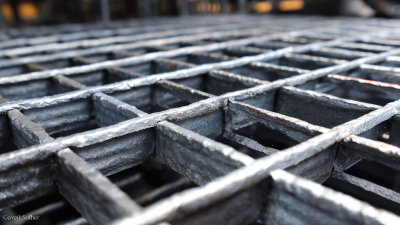
When considering galvanized steel grating, dimensions and configuration are crucial. The width and depth of the grating elements dictate their overall performance. A wider bar can provide increased load-bearing capacity, while the spacing between bars affects drainage and airflow. Adjusting these factors can significantly impact the weight of the grating itself.
The configuration also plays a vital role. For example, a flat design may appear lighter but might not support heavy loads effectively. Meanwhile, a more robust configuration may enhance strength but add extra weight. Designers often face a dilemma: balance between weight and strength.
They sometimes overlook the importance of alignment. Misalignment can lead to stress concentration, which may compromise integrity. The choice of crossbars also affects weight. Choosing thinner crossbars reduces weight but may not withstand heavy loads. Hence, one must carefully evaluate the right dimensions and configurations.