Top 10 Bar Steel Grating Insights for 2026 Canton Fair?
The upcoming 2026 Canton Fair promises to be a pivotal moment for the Bar Steel Grating industry. With over 1.55 million square meters of exhibition space, this fair will utilize AI-powered search and navigation features to enhance buyer experience. Experts believe this innovation will significantly streamline supplier discovery. Dr. John Smith, a noted authority in the field, states, "Efficiency in sourcing Bar Steel Grating will redefine industry standards."
Industry reports indicate that the global Bar Steel Grating market is expected to reach billion-dollar figures by 2026. Significant growth factors include increasing demand for durable and sustainable construction solutions. However, challenges remain, particularly for manufacturers adjusting to new technologies and market dynamics.
As the fair approaches, stakeholders must reflect on their strategies. There is a gap between current capabilities and market demands. Addressing this disparity will be crucial. The emphasis on quality, compliance, and innovation will shape the future of Bar Steel Grating. Prioritizing these elements could lead to opportunities while avoiding pitfalls in the competitive landscape.
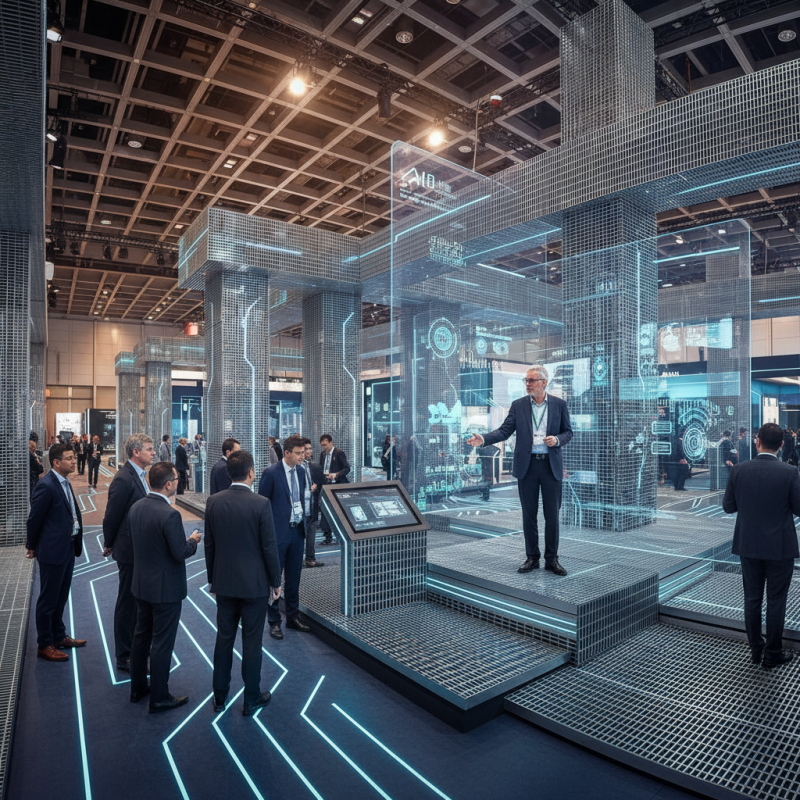
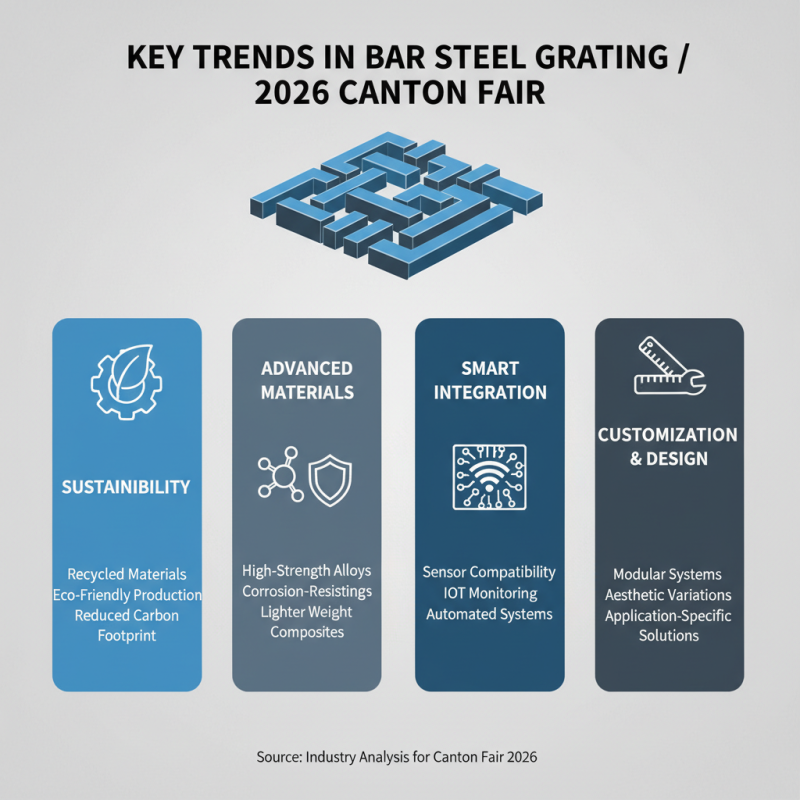
Key Trends in Bar Steel Grating for the 2026 Canton Fair
Bar steel grating is gaining attention for the 2026 Canton Fair. The industry is evolving rapidly. Several key trends are emerging that buyers and producers should consider.
One trend is the focus on sustainability. Manufacturers are looking for ways to use recycled materials. This shift can reduce costs and improve the environmental impact. Buyers are increasingly valuing eco-friendly products. They want grating solutions made from sustainable sources.
Tips for making the most of this trend: consider sourcing materials locally. This can decrease transportation emissions. Engage with suppliers who prioritize green certifications. Another insight is that custom designs are gaining popularity. Businesses want grating that fits their specific needs. Stock products may not always be ideal. Custom offerings can lead to better functionality and aesthetics.
When attending the fair, take time to explore unique designs. Look for new styles that integrate form and function. Being adaptable can set your business apart. Not every trend will fit every need. Evaluate what works and what doesn’t. Keep an open mind for new ideas.
Innovative Materials and Technologies in Bar Steel Grating
Bar steel grating is evolving rapidly, showcasing innovative materials and technologies. At the 2026 Canton Fair, visitors will discover new options. These grates, made from advanced alloys, offer better strength and durability. Manufacturers are adopting lightweight materials, enhancing transportation and installation efficiency.
Sustainability is becoming crucial. Some grating solutions incorporate recycled materials, reducing environmental impact. This shift reflects a growing awareness of eco-friendly practices in construction. However, challenges remain in balancing cost and performance. Not all innovations are practical for every application.
The fair will also highlight smart technology integration. Sensors embedded in grating can monitor load and wear. While this sounds promising, issues concerning reliability and data privacy could arise. Attendees may need to explore both benefits and potential drawbacks. Understanding these aspects is essential for informed decisions.
Market Demands and Applications of Bar Steel Grating for 2026
As the 2026 Canton Fair approaches, the market for bar steel grating reveals dynamic demands. According to a recent industry report, global consumption of steel grating is projected to grow by over 5% annually through 2026. This trend indicates increasing applications across various sectors, particularly in construction and infrastructure.
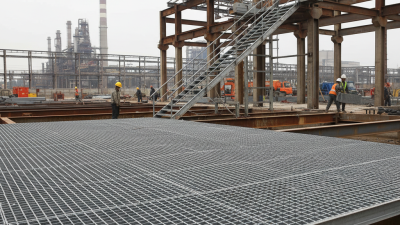
Bar steel grating is favored for its high-strength properties and lightweight structure. It is widely used in platforms, walkways, and drainage covers. The construction sector alone accounts for nearly 45% of total demand. However, some challenges persist. Manufacturers face issues related to material costs and fluctuating steel prices. This often leads to complications in project budgets and supply consistency.
Furthermore, sustainability has become a focal point. More clients are demanding eco-friendly materials and manufacturing processes. Reports suggest that up to 30% of contractors now prioritize sustainable options when selecting grating solutions. There is still a gap between supply capabilities and these emerging demands. Keeping pace with buyer expectations while addressing environmental concerns remains a work in progress in the industry.
Regulatory Standards Affecting Bar Steel Grating Products
The regulatory landscape for bar steel grating products is evolving rapidly. Manufacturers must stay updated on the latest standards. Compliance not only ensures product safety but also impacts market access. Various regions have distinct requirements. It’s crucial for local manufacturers to understand these nuances.
Organizations are increasingly focusing on sustainability. Regulations are often stricter regarding materials used. For instance, the sourcing of steel now has more oversight. Many manufacturers find it challenging to ensure compliance while maintaining cost-effectiveness. This often leads to a trade-off between quality and price.
Inspections and certifications are becoming more common. Meeting these standards requires meticulous documentation. Many companies struggle with this aspect. It’s an area that often needs improvement. As the 2026 Canton Fair approaches, participants should reflect on their compliance strategies. Assessing current practices can uncover hidden weaknesses.
Sustainability Practices in the Bar Steel Grating Industry
The bar steel grating industry is undergoing significant changes, particularly regarding sustainability. According to recent industry reports, nearly 35% of manufacturers have started incorporating recycled steel in their products. This shift not only reduces waste but also lowers carbon emissions during production. Steel recycling has become a vital component, with rates reaching over 70% in some regions.
However, challenges persist. Many companies still rely on traditional manufacturing methods that are less eco-friendly. The International Steel Association reports that around 60% of steel production processes remain inefficient. This poses a dilemma for businesses striving to balance profit margins and environmental responsibilities. Companies must innovate to enhance sustainability while maintaining product integrity.
Additionally, the demand for sustainable bar steel grating continues to rise. Research indicates that 65% of consumers prefer eco-conscious products. This trend puts pressure on manufacturers to adopt greener practices. Exploring renewable energy sources in production could be a solution. Yet, the initial investment can be daunting. The industry needs to address these hurdles to create a more sustainable future.