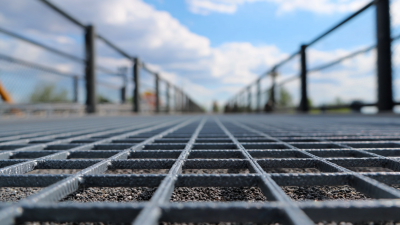
Top 10 Tips for Choosing Bar Steel Grating for Your Project?
When it comes to construction projects, selecting the right materials is critical. Bar Steel Grating is a versatile and durable choice, widely used in various industries. According to a report by the American Institute of Steel Construction, the demand for bar steel grating in industrial applications has increased by 15% over the last five years. This growth underscores its importance in maintaining safety and efficiency in work environments.
Expert in the field, John Baker, states, "Choosing the right bar steel grating is not just about strength, but also about the specific needs of your project." His insights reflect the multifaceted nature of bar steel grating. Its applications range from pedestrian walkways to industrial flooring. Therefore, understanding the different types and their benefits is essential for a successful project.
While bar steel grating offers numerous advantages, choosing the wrong type can lead to unforeseen challenges. It’s important to reflect on the specific requirements of your project before making a decision. This careful consideration will ensure that your selected grating not only meets industry standards but also enhances functionality and safety.
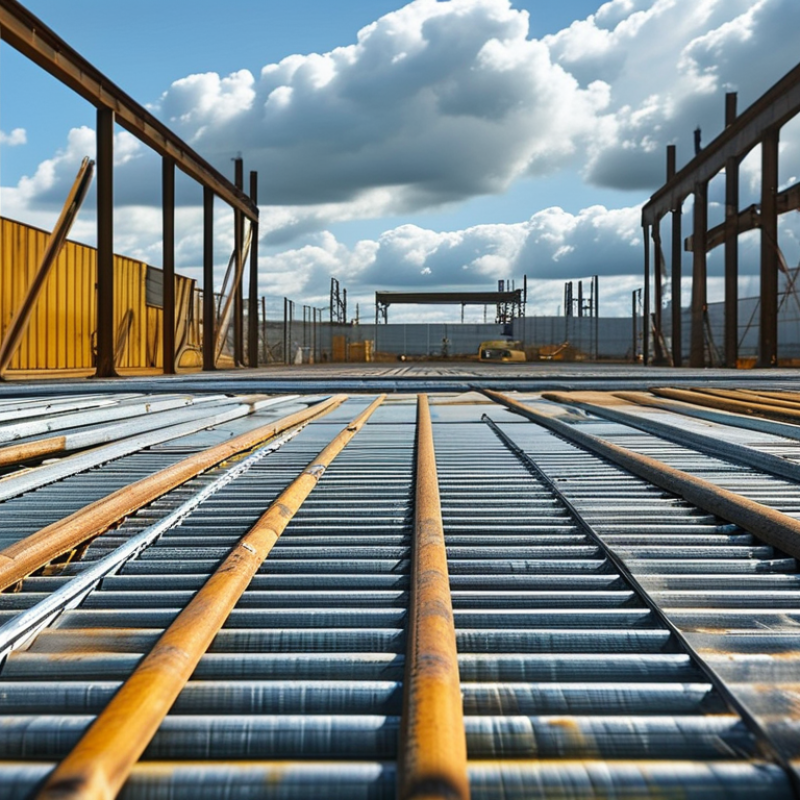
Understanding the Different Types of Bar Steel Grating Available
When selecting bar steel grating for your project, understanding the different types available is essential. Bar steel grating comes in heavy-duty, light-duty, and specialty designs. Heavy-duty grating is ideal for high-traffic areas. It can withstand significant weight and impact. Light-duty options are suitable for pedestrian walkways and areas with lighter loads.
Specialty grating types, like slip-resistant or welded grating, cater to specific needs. Slip-resistant grating minimizes accidents in wet conditions. Welded grating provides a robust solution for industrial applications where strength is paramount. Always consider the intended use of the grating when making a choice.
Moreover, don’t overlook the spacing between bars. Wider spacing may reduce weight but affects load capabilities. It’s a trade-off: lightweight versus strength. Reflecting on these aspects can lead to better project outcomes. Consider the installation environment, too. Locations prone to corrosion may require protective coatings for longevity. Making informed choices ensures reliable performance over time.
Top 10 Tips for Choosing Bar Steel Grating for Your Project
Evaluating Load-Bearing Capacity for Your Specific Application
When selecting bar steel grating, one of the most critical aspects to consider is its load-bearing capacity. Each project has unique demands. Understanding these requirements helps ensure safety and durability.
Load-bearing capacity is influenced by various factors. The type of materials used can significantly affect performance. Steel grating comes in different thicknesses and spacing options which can change how much weight it can support. Knowing the maximum expected load is vital during the selection process. Each application, be it pedestrian walkways or heavy machinery support, requires tailored specifications.
It's important to engage with engineering standards specific to your industry. These guidelines will help you determine the correct load ratings. However, relying solely on standard recommendations may not be enough. Real-world conditions can vary, leading to unexpected stresses. Consider conducting a field assessment to analyze environmental factors like weather and foot traffic. Such a practical approach can provide insights into potential weaknesses, helping you make informed choices.
Considering Corrosion Resistance and Material Choices
When selecting bar steel grating for your project, considering corrosion resistance is crucial. Steel is prone to rusting when exposed to moisture. Thus, choosing materials with high corrosion resistance can extend the lifespan of your grating.
Hot-dipped galvanization is one effective method. It creates a protective layer, ensuring durability in harsh environments. However, even galvanized coatings can wear over time. Regular inspections can help identify early signs of deterioration.
Material choice plays a significant role in performance. Stainless steel offers excellent resistance to corrosion. It’s suitable for both indoor and outdoor applications.
Aluminum grating is another option. It is lightweight and resistant to rust, making it ideal for marine environments. Yet, both stainless and aluminum can be costly compared to traditional steel. It’s essential to weigh the benefits against your budget constraints.
Additionally, consider the environment where the grating will be used. Factors like exposure to saltwater or chemicals can impact its longevity. It's wise to invest time researching local conditions. This approach may save money and hassle over time. Choosing the correct material is not just about the now; it's about future-proofing your project against the elements.
Assessing Fabrication and Installation Requirements
When choosing bar steel grating for your project, it's crucial to assess fabrication and installation requirements. Each project has unique needs that can affect the type of grating you select. Consider the environment where the grating will be installed. Harsh conditions may demand specialized materials or coatings. Not all fabricators offer the same quality or capabilities, so validate their expertise in producing grating that meets specific specifications.
Installation plays a vital role in the overall effectiveness of the grating system. Look for grating that aligns with your installation capabilities. For example, some products require welding while others are bolted. If your team lacks welding skills, opting for bolted grating may be a smarter choice. It's important to evaluate the available resources, including tools and manpower.
Remember, misjudging these factors can lead to project delays or increased costs. Pay close attention to layout and alignment during installation. A poorly installed system can compromise safety and functionality. Reflect on your team’s strengths and weaknesses when planning.
Analyzing Budget Constraints and Long-Term Cost Effectiveness
When selecting bar steel grating for your project, understanding budget constraints is critical. Quality materials often come at a higher price, but they can save costs in the long run. Cheaper options may seem appealing initially, yet they often require frequent replacements. This leads to increased expenses over time. It's essential to balance upfront costs with lasting value.
Consider life cycle costs when making a choice. Durable grating can withstand heavy loads and harsh environments longer than its cheaper counterparts. This resilience can result in fewer repairs and replacements. Investing in high-quality grating pays off over time. However, evaluating your project’s specific needs can be challenging. Technical specifications must match your environment.
Cost-effectiveness isn’t just about buying the lowest-priced option. It requires careful planning and an understanding of your project's requirements. The right choice can streamline operations and ensure safety. However, the industry offers a wide range of products, which can be overwhelming. Conducting thorough research is vital. Balancing immediate costs with the potential for future savings is essential.