What is Steel Grating and Why is it Important for Buyers?
Steel Grating is an essential component in various industries, providing support and safety in countless applications. It offers a high strength-to-weight ratio and excellent durability. According to a recent report by Transparency Market Research, the global steel grating market is projected to reach $1.79 billion by 2026, highlighting its increasing significance in construction and industrial settings.
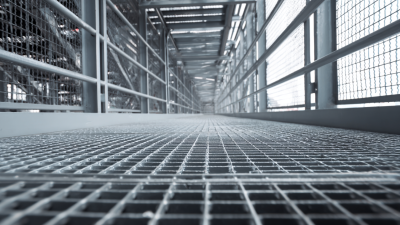
The importance of Steel Grating cannot be overstated. It serves critical roles in flooring, walkways, and drainage systems. These products are designed to withstand heavy loads while allowing airflow and light. Notably, in petrochemical facilities, safety is paramount. Steel grating ensures a non-slip surface, minimizing the risk of accidents.
Buyers must recognize the varying qualities of steel grating available. While some options are cost-effective, they may lack the necessary durability or performance. A thoughtful selection process is essential for long-term value and safety. Understanding industry standards and specifications can guide buyers in making informed choices. In an ever-evolving market, staying updated is crucial.
Definition and Composition of Steel Grating
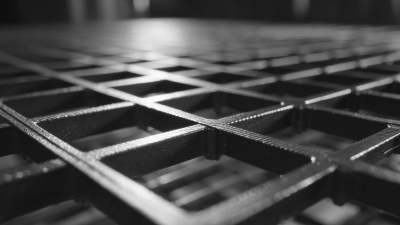
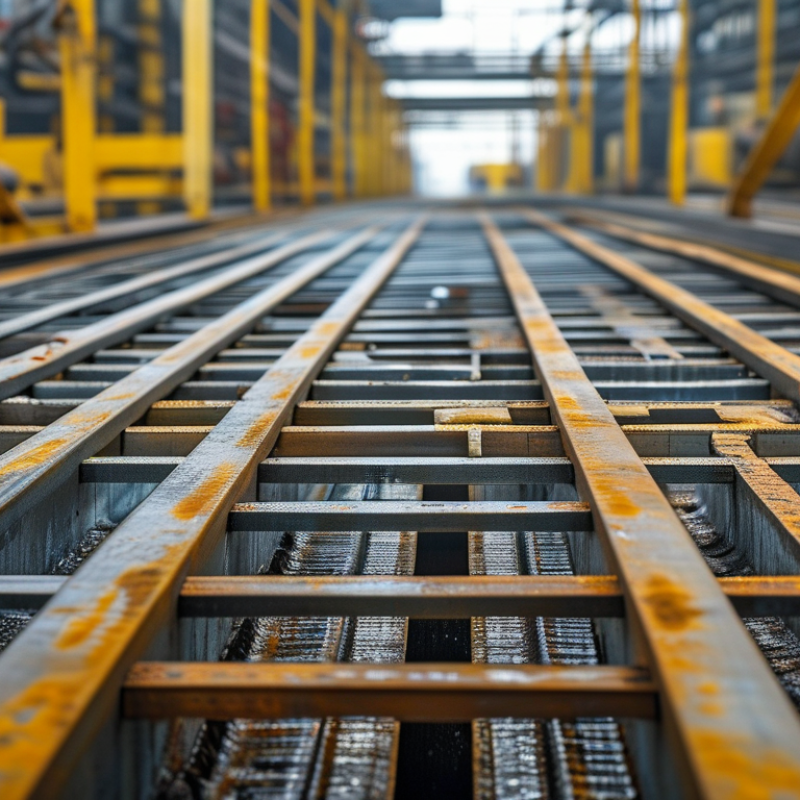
Steel grating is a vital component in industrial applications, providing essential support and safety. It's made from carbon steel, stainless steel, or aluminum. The composition is crucial for durability and resistance to corrosion. Typically, steel grating consists of flat bars, spaced evenly to create a mesh-like structure. This allows for efficient drainage, ventilation, and light penetration. The spacing can be adjusted depending on the application requirements.
Data from industry reports indicate that the global steel grating market was valued at approximately $1.2 billion in 2020. It projected a compound annual growth rate of 5.3% during the next decade. The increasing demand for safe flooring solutions in construction and manufacturing sectors drives this growth. Steel grating is often chosen for its strength-to-weight ratio, making it a preferred option for walkways, platforms, and trench covers.
While steel grating offers many benefits, buyers must consider some imperfections. The installation process can be labor-intensive, which may lead to increased costs. It's essential to ensure proper maintenance to preserve its lifespan, as neglect can result in rust and degradation. Understanding the correct specifications for each project is crucial for optimal performance. The importance of consulting experts cannot be overstated, as improper selection may lead to safety hazards or unnecessary expenses.
Types of Steel Grating and Their Applications
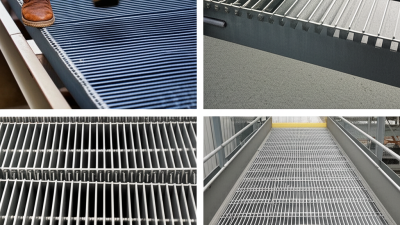
Steel grating is an essential component in various industries, providing both safety and functionality. In terms of types, the most common variations include welded, pressed, and serrated grating. Welded grating is widely used in construction for flooring and walkways due to its robust support. Pressed grating, with its lightweight design, is often preferred for industrial applications.
The application of steel grating extends beyond floors. It is also used in drainage covers, platforms, and stair treads. According to a recent report by MarketsandMarkets, the global steel grating market is projected to grow to $3.1 billion by 2027, driven by increased demand in infrastructure projects. This growth highlights the vital role steel grating plays in both safety and operational efficiency.
However, selecting the right type can be challenging. Buyers often face dilemmas concerning material specifications and load capacities. Some might overlook the importance of corrosion resistance, which is crucial in certain environments. A thoughtful approach in choosing steel grating can greatly impact the longevity and performance of structures. Each application requires unique considerations, highlighting the complexity buyers must navigate in making informed decisions.
What is Steel Grating and Why is it Important for Buyers? - Types of Steel Grating and Their Applications
| Type of Steel Grating |
Description |
Common Applications |
| Bar Grating |
Consists of parallel bars typically spaced at a uniform distance. Excellent load-bearing capacity. |
Walkways, platforms, and heavy-duty loads. |
| Heavy-Duty Grating |
Thicker bars and closer spacing, designed for heavy industrial applications. |
Pipelines, support structures, and industrial flooring. |
| Fiberglass Grating |
Made from fiberglass resin, offers corrosion resistance and lightweight properties. |
Chemical plants, marine applications, and light-duty walkways. |
| Expanded Metal Grating |
Created from a sheet of metal that's been slashed and stretched, forming diamond shapes. |
Security applications, machinery guarding, and architectural elements. |
Benefits of Using Steel Grating in Construction and Industry
Steel grating is a versatile material used in various construction and industrial applications. Its open structure allows for light, air, and fluids to pass freely while providing strength and support. This is essential in environments where drainage is crucial. The durability of steel grating makes it ideal for high-traffic areas. Buyers benefit from its longevity and low maintenance costs, reducing replacements over time.
In industrial settings, safety is paramount. Steel grating offers excellent slip resistance, which is vital in preventing accidents. Its design can accommodate heavy loads without bending or breaking. This reliability makes it a preferred choice for walkways, platforms, and stairways. While steel grating has many advantages, some buyers may overlook the importance of proper installation. Incorrect fitting can lead to hazards, highlighting the need for experienced professionals. Understanding these details can lead to better decision-making in purchasing steel grating.
Factors to Consider When Buying Steel Grating
When considering steel grating, buyers must focus on several critical factors. First, the load-bearing capacity is vital. A report by the American Institute of Steel Construction stated that heavy-duty grating can support loads up to 2,000 pounds per square foot. This capacity ensures safety and reliability in industrial applications. Buyers should also assess the material quality. Stainless steel is often preferred for its corrosion resistance, particularly in harsh environments.
Another key aspect is the spacing between the bars. According to a survey by the National Association of Steel Grating Manufacturers, spacing can affect slip resistance. A closer spacing provides better foot traction. Additionally, the choice of design—standard, serrated, or hybrid—can influence safety in pedestrian areas.
Buyers should also consider installation requirements. Some grating types are easier to install and maintain than others. Failure to account for maintenance needs may lead to higher long-term costs. Understanding the environmental conditions of the installation site is crucial. Factors like exposure to water or chemicals can impact the durability of the grating. Keeping all these factors in mind can significantly affect the purchasing decision, ensuring long-term satisfaction and safety.
Maintenance and Longevity of Steel Grating Products
Maintaining steel grating products is crucial for their longevity. Regular inspections help identify rust, deformation, or loose components. This keeps the structure safe and functional. Pay attention to the environment where the grating is used. Areas with high moisture or corrosive substances may require more frequent checks. Proper maintenance includes cleaning to remove debris and ensuring no water pools on the surface.
Longevity depends on material quality and usage. Even high-quality steel can fail if not cared for properly. In some cases, a grating may need replacement due to severe wear or damage. However, with adequate maintenance, many steel grates can last for decades. The balance between upkeep and replacement cost needs to be considered. Ignoring minor issues can lead to larger, costlier problems down the line. Striking the right maintenance routine can enhance steel grating performance while extending its lifespan significantly.
Importance of Steel Grating Maintenance and Longevity