Prefab Container House Tips for Affordable Living Solutions?
The concept of living in a Prefab Container House is gaining traction. These homes are innovative, affordable, and eco-friendly. They offer a practical alternative to traditional housing. Prefab Container Houses are made from shipping containers, repurposing materials that would otherwise contribute to waste.
Choosing a Prefab Container House brings both advantages and challenges. While they can be cost-effective, design choices play a significant role in livability. Space can be limited, which may require creative organization. Depending on location, utilities may also present hurdles. Understanding these factors can lead to a more satisfying living experience.
Embracing the Prefab Container House lifestyle encourages sustainable living. It invites homeowners to think critically about space and resources. However, it is essential to acknowledge potential drawbacks, such as zoning regulations and resale value. A thoughtful approach can turn that challenge into an opportunity for creativity and innovation.
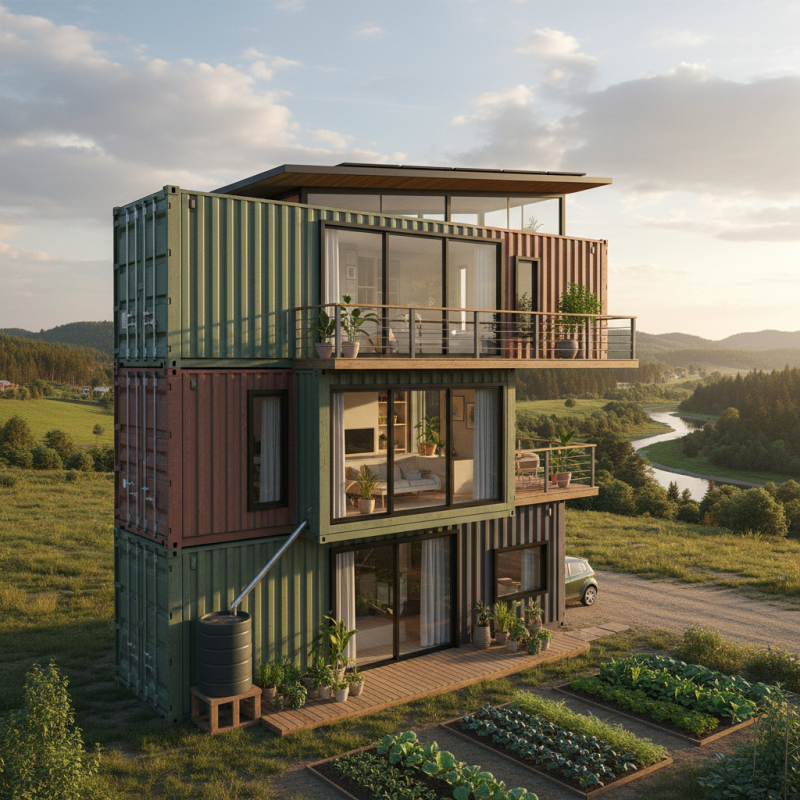
Benefits of Prefab Container Houses for Budget-Conscious Living
Prefab container houses are becoming popular among budget-conscious individuals. These homes can be constructed quickly and at a lower cost than traditional housing. According to a report by the Container Housing Association, building with containers can save up to 50% on construction expenses. This is a significant benefit for those looking to own a home without incurring huge debts.
The adaptability of container homes is another advantage. They can be transformed into unique living spaces with modern amenities. For instance, a standard shipping container can be converted into a two-bedroom home, offering a cozy environment. Reports indicate that many homeowners choose to add solar panels, which makes these homes even more cost-efficient. However, the initial setup for utilities can be challenging.
Moreover, while container homes are cheaper, they require careful planning. Some owners may underestimate the need for insulation and ventilation. The inner space can become uncomfortable without proper air circulation. Many also face zoning issues that can delay the construction process. Embracing the idea of living in a container house demands flexibility and creativity. Each step needs consideration to ensure a successful outcome.
Key Considerations When Choosing a Prefab Container House
When considering a prefab container house, several key aspects come into play. Size is crucial. Determine how much space you actually need. A smaller unit might save costs, but it could feel cramped. Think about the layout. An open floor plan can make a small space feel larger. Still, ensure there’s enough room for essential furniture and movement.
Another critical factor is insulation. Container homes can get hot or cold quickly. Look for options with proper insulation to maintain comfort. This is often overlooked but can lead to discomfort. Windows play an important role too. Adequate natural light can brighten up the space, making it more inviting.
Lastly, consider your long-term plans. Are you looking to live in it permanently or temporarily? This affects your design choices. Temporary homes may not need the same level of detail as a permanent residence. Each choice carries its own set of challenges. Reflect on what matters most to you. Each decision shapes your living experience.
Designing Your Space: Tips for Optimal Container House Interiors
Designing the interior of a prefab container house requires careful consideration. The layout matters a lot. Open spaces can make rooms feel larger. Divide areas with furniture rather than walls. This approach enhances flow and light.
A report from the American Institute of Architects shows that flexible design increases overall satisfaction. Consider multi-functional furniture. A sofa that converts into a bed saves space. Foldable tables can expand your dining area when needed. These choices maximize utility in a compact design.
Incorporate natural light. Large windows and skylights work well in container homes. However, be cautious of glare and heat loss. Use curtains or shades strategically. Balancing aesthetics with function is essential. Track your design’s effectiveness. Evaluate what works and what doesn't. Learning from your space can guide future improvements.
Prefab Container House Tips for Affordable Living Solutions
| Tip Category | Tip Description | Benefits |
| Space Optimization | Utilize vertical storage solutions like shelving to maximize floor space. | Increased storage capacity and decluttered living area. |
| Natural Light | Incorporate large windows and skylights to enhance natural lighting. | Better mood, energy efficiency, and reduced electricity costs. |
| Multi-functional Furniture | Choose furniture that serves multiple purposes, such as sofa beds. | Maximized functionality while saving space. |
| DIY Decor | Personalize your space with DIY decor projects. | Cost-effective and uniquely tailored living environment. |
| Sustainable Materials | Use eco-friendly materials for insulation and flooring. | Reduced environmental impact and improved indoor air quality. |
Sustainable Features of Prefab Container Houses for Eco-Friendly Living
Prefab container houses offer unique opportunities for sustainable living. They often use recycled materials, minimizing environmental impact. Solar panels can be added for energy efficiency. Rainwater collection systems enhance water conservation. These features promote eco-friendly lifestyles, appealing to many modern homeowners.
Consider these tips when thinking about a prefab container home. Research local regulations to avoid surprises. Planning for insulation is crucial. Many containers may need modifications for comfort. Pay attention to ventilation. Make use of space efficiently; every square foot counts in smaller homes. Utilize multifunctional furniture to maximize usability.
Embracing this lifestyle can encourage self-reflection. Are you ready to live with less? Minimalism can seem daunting but offers freedom. These homes require maintenance; overlooking this can lead to issues. Engage with your community to share ideas and resources. The journey to sustainable living begins with your choices and awareness.
Prefab Container House Sustainability Features
Financing Options and Cost Management for Container Home Projects
Financing a container home project can be a challenge. Many people underestimate costs. While container homes can be cheaper than traditional houses, expenses often add up. You need to consider land, permits, and utilities. These costs can be intimidating, especially if you are on a tight budget.
Consider various financing options. Some people use personal loans, while others explore construction loans. Grants may be available for eco-friendly housing. You might consider pooling resources with friends or family. This can lower individual costs, but it requires clear agreements.
Be mindful of budgeting. Create a detailed plan that includes all projected expenses. Unexpected costs are likely to arise, and you may need a buffer. Scrimping on details, like insulation or plumbing, can lead to problems later. Reflect on your choices and avoid cutting corners where it matters most.