What is Mill Finish Grating and Its Benefits for Buyers?
Mill Finish Grating has become increasingly significant in construction and industrial applications. As an expert in the field, John Smith, a veteran in metal fabrication, states, "Mill Finish Grating offers durability and utility that many buyers overlook." This type of grating features a raw finish, enhancing its appeal for projects where aesthetics are secondary.
While Mill Finish Grating may lack the polished look of painted options, its strengths lie in cost-effectiveness and functionality. Many buyers appreciate its resistance to corrosion and structural stability. It is an ideal choice for environments exposed to harsh conditions. However, some may hesitate due to its unrefined appearance.
The decision to choose Mill Finish Grating often involves weighing the benefits against perceived drawbacks. Buyers must consider specific project needs and budget constraints. The raw finish serves its purpose well but may require additional maintenance over time. The choice reflects a balance between performance and visual expectations.
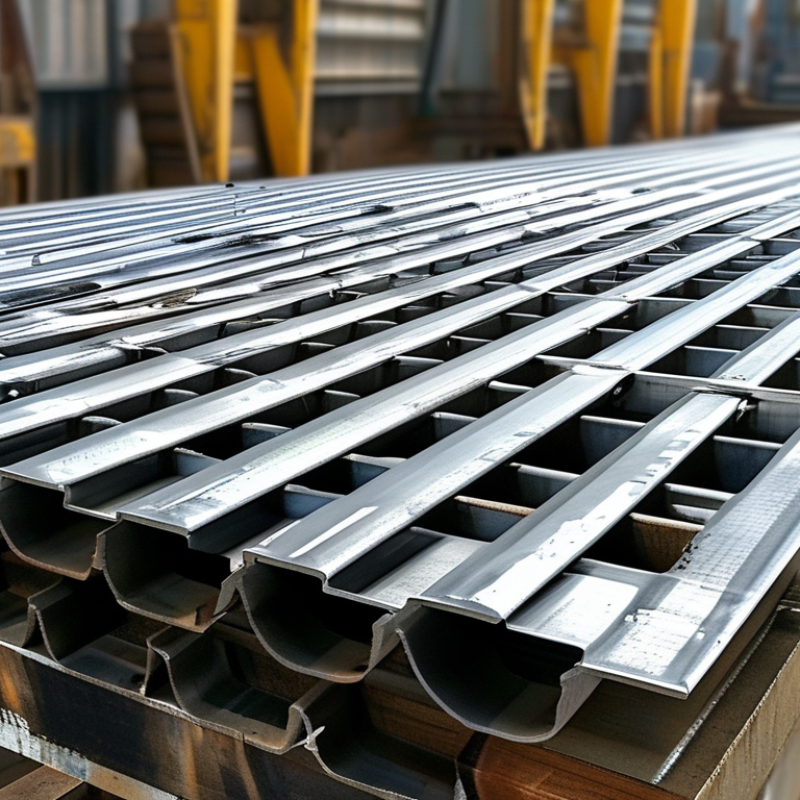
What is Mill Finish Grating?
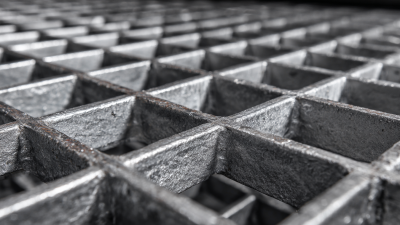
Mill finish grating is a product made from steel that has not undergone any additional surface treatment. It is usually characterized by a rough texture and a metallic appearance. Commonly used in various industrial applications, mill finish grating is popular for its strength and durability. Its untreated state allows it to showcase a raw, industrial aesthetic that can appeal to certain design preferences.
Buyers often appreciate mill finish grating for several reasons. It can handle heavy loads and resist corrosion when properly maintained. This type of grating is generally less expensive compared to coated or painted options. However, the lack of treatment means it may be prone to rust if exposed to moisture over time. Consider using it in dry environments or under awnings to prolong its lifespan.
**Tip:** Always inspect the grating for any signs of rust before purchase. Regular maintenance can help improve durability. Additionally, consider your specific needs before selecting a finish. Mill finish grating is suitable for temporary setups, but might not be the best choice for long-term use in wet conditions.
Characteristics and Production Process of Mill Finish Grating
Mill finish grating is an essential product in various industries, renowned for its durability and cost-effectiveness. The production process begins with the selection of raw materials, typically aluminum or steel. The metal is then processed to create a flat surface. This is achieved through methods like hot-rolling or cold-working, ensuring the grating has a uniform thickness.
One key characteristic of mill finish grating is its unrefined appearance. Some buyers might prefer a polished finish. However, the mill finish offers functional benefits such as enhanced resistance to corrosion. It also provides excellent load-bearing capabilities. The surface texture can help with traction, making it safer in industrial settings.
While the production process is efficient, it’s not without challenges. Maintaining consistency in quality can be difficult. Fluctuations in temperature during manufacturing may lead to minor imperfections. These details might affect the grating's aesthetic appeal, but many consider the practical benefits far outweigh these flaws. Understanding these aspects can help buyers make informed decisions, balancing aesthetics with functionality.
What is Mill Finish Grating and Its Benefits for Buyers? - Characteristics and Production Process of Mill Finish Grating
| Characteristic |
Description |
Benefits |
| Surface Finish |
Raw, uncoated steel finish. |
Cost-effective for projects where aesthetic is less critical. |
| Durability |
High strength-to-weight ratio, sturdy construction. |
Long-lasting under heavy loads and environmental stress. |
| Maintenance |
Low maintenance requirements, but may require periodic cleaning. |
Reduced costs and time for upkeep. |
| Customization |
Available in various sizes and load ratings. |
Flexibility to meet specific project needs. |
| Installation |
Simple and straightforward installation process. |
Saves time and labor costs during setup. |
| Weight |
Generally lighter than other grating options. |
Easier handling and transportation. |
| Versatility |
Suitable for various applications, including industrial and commercial settings. |
Wide-ranging applicability across different sectors. |
Benefits of Mill Finish Grating for Buyers
Mill finish grating is a popular choice in various industries. This product is made from steel or aluminum and is often used for flooring and safety applications. Mill finish grating offers a raw, uncoated surface that enhances slip resistance. The texture provides grip, making it ideal for wet or oily environments.
One key benefit for buyers is cost-effectiveness. Mill finish grating typically comes at a lower price compared to coated alternatives. This allows businesses to save money while still ensuring safety and durability. Another advantage is the lightweight nature of these gratings. They are easy to handle and install, which saves on labor costs.
However, there are some considerations. The lack of a protective finish could lead to rust in certain environments. Buyers must be aware of the conditions where the grating will be used. Proper maintenance is essential to prolong the life of mill finish grating. This brings up important questions about the long-term value versus initial savings.
Benefits of Mill Finish Grating for Buyers
Applications of Mill Finish Grating in Various Industries
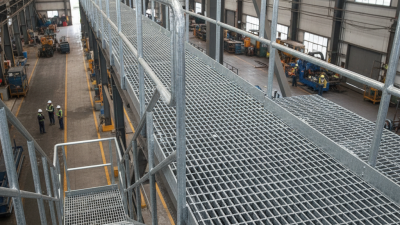
Mill finish grating is widely utilized across various sectors due to its unique properties. The surface of this type of grating is left untreated, which enhances its resistance to corrosion. This characteristic makes it ideal for applications in both indoor and outdoor environments. Industries like manufacturing and construction frequently use mill finish grating for walkways and platforms where durability matters.
In the food processing sector, mill finish grating is used in processing areas. Its non-slip surface provides safety for workers. Additionally, this type of grating is easy to clean and maintain, which is crucial in such environments. Chemical plants also benefit from this material. Its ability to withstand harsh chemicals makes it an excellent choice for drainage systems and ventilated areas.
However, not all applications suit mill finish grating. In highly specialized environments, users may need to consider surface treatments. This could add cost but might be essential for specific needs. Reflecting on these choices can lead to better outcomes. Finding the right type of grating requires understanding both the benefits and limitations of each option.
Comparing Mill Finish Grating with Other Types of Grating
Mill finish grating is a versatile option for various applications. It is made of metal with a raw surface finish. This type is often compared to painted or galvanized grating. Each type has its unique advantages and disadvantages. Many buyers appreciate mill finish grating for its simplicity and cost-effectiveness. Research shows that around 40% of construction professionals prefer it for non-corrosive environments.
When comparing mill finish grating to other types, it's essential to consider durability. According to industry reports, painted grating may chip over time. This can lead to increased maintenance costs. Mill finish grating requires minimal upkeep. It's also lighter than some alternatives. This often results in lower transportation costs, which can benefit buyers in the long run.
Another point to reflect on is the aesthetic aspect. While mill finish grating offers a rustic look, painted options provide more color choices. Buyers may find this limiting when trying to match architectural styles. Still, many users find that the practical benefits of mill finish outweigh the visual aspects. It's a solid choice for functional projects but might not appeal to all end-users.