What is Mill Finish Grating and How is it Used?
Mill Finish Grating is an essential product widely utilized in various industries. Its unique characteristics make it suitable for different applications. This type of grating offers a raw, unfinished surface that is ideal for slip resistance and ventilation. Many people may overlook its importance, but Mill Finish Grating plays a crucial role in safety and functionality.
Typically made from steel or aluminum, Mill Finish Grating comes without any protective coating. This natural finish can lead to rust over time, raising concerns for durability. However, it is still favored for its cost-effectiveness and efficiency. Users often explore options for post-treatment or coating to enhance longevity.
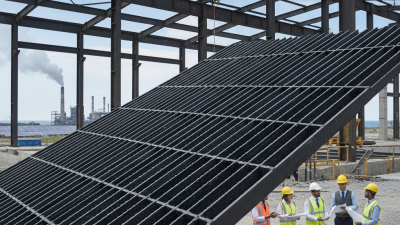
In commercial settings, Mill Finish Grating can be used in walkways, platforms, and industrial drains. Its versatility allows it to adapt to various conditions. Nonetheless, users must reflect on its limitations and proper maintenance to ensure optimal performance. Understanding these factors can lead to better decision-making when choosing Mill Finish Grating for specific applications.
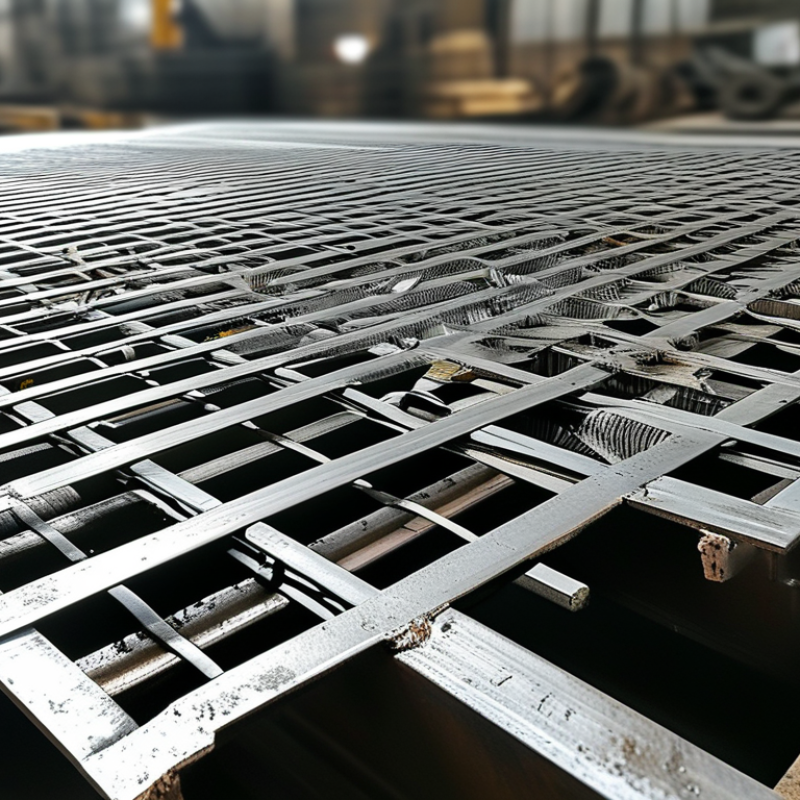
What is Mill Finish Grating?
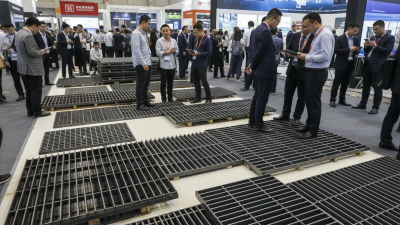
Mill finish grating is a popular choice in various industries due to its affordability and versatility. This type of grating is usually made from steel or aluminum. It is characterized by a rough, unfinished surface. This surface provides effective slip resistance. According to a recent report by the American Institute of Steel Construction, about 25% of industrial flooring surfaces rely on mill finish materials for their performance.
Mill finish grating is commonly used in commercial and industrial settings. Its primary applications include walkways, platforms, and drainage covers. The durabilty of mill finish grating makes it suitable for heavy foot traffic and equipment loads. An industry survey indicates that around 40% of facilities prefer mill finish over other surface treatments to maintain grating's structural integrity.
However, using mill finish grating comes with considerations. It is more susceptible to corrosion without protective coatings. Facilities in harsh environments, such as coastal areas, need to assess their material choices carefully. A report by the National Association of Corrosion Engineers suggests that untreated surfaces can lose up to 50% of their lifespan in aggressive conditions. Facility managers often struggle to balance cost and longevity in their decisions.
Characteristics of Mill Finish Grating
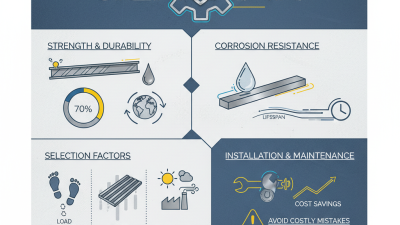
Mill finish grating is a versatile product often used in industrial and commercial settings. Its surface is treated in a way that enhances durability while maintaining a simple, industrial look. This type of grating provides excellent strength and is resistant to corrosion, making it ideal for various applications, including walkways, platforms, and drainage covers.
One of the key characteristics of mill finish grating is its slip resistance. The textured surface helps prevent slips, which is crucial in environments where liquids may be present. However, while it offers safety benefits, one must ensure regular maintenance. Over time, dirt and debris can accumulate, reducing its effectiveness. Additionally, its raw finish may not appeal to everyone, prompting the need for surface treatments in some projects.
The open layout of mill finish grating also allows for better drainage. This feature helps to manage water accumulation effectively, reducing the risk of flooding. Nevertheless, it’s essential to periodically check for structural integrity. Under heavy loads, occasional bending can occur, which needs to be monitored closely. Ensuring that grating meets specific load requirements is vital for optimal performance and safety.
What is Mill Finish Grating and How is it Used? - Characteristics of Mill Finish Grating
| Characteristic |
Description |
| Material |
Typically made of steel, aluminum, or stainless steel. |
| Surface Finish |
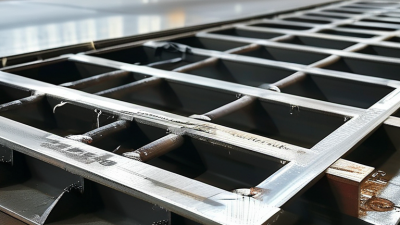
Unfinished, with a rough texture and visible welds. |
| Applications |
Commonly used in industrial flooring, walkways, and platforms. |
| Load Bearing Capacity |
Designed to support heavy loads, suitable for high traffic areas. |
| Corrosion Resistance |
Level of resistance varies by material; aluminum offers good corrosion resistance. |
| Maintenance |
Generally low maintenance, but regular cleaning is recommended. |
| Customization |
Available in various sizes and can be cut to fit specific applications. |
Common Applications of Mill Finish Grating
Mill finish grating is commonly used in various industries due to its unique properties. This type of grating features a smooth finish, making it resistant to corrosion and wear. It is often made from steel or aluminum and provides both strength and durability. Many industries prefer mill finish grating for walkways, platforms, and drainage applications. Its slip-resistant surface ensures safety in high-traffic areas.
In industrial settings, mill finish grating is frequently used in manufacturing plants. It allows for optimal airflow, reducing the chances of overheating machinery. Additionally, in commercial spaces, it serves as a sturdy flooring solution. Restaurants and warehouses often benefit from its ability to withstand heavy loads. The open design promotes light and air circulation, improving overhead lighting and decreasing energy costs.
However, mill finish grating is not without challenges. Its surface can become slippery when wet, requiring careful consideration in some environments. Regular maintenance is necessary to avoid slip hazards and ensure longevity. Users must also reflect on the application environment, as harsh chemicals can impact the integrity of the grating over time. Selecting the right type involves understanding both the benefits and limitations.
Benefits of Using Mill Finish Grating
Mill finish grating is a versatile material widely used in various industrial and commercial applications. Its natural metal surface offers a blend of aesthetics and functionality. One key benefit of mill finish grating is its resistance to corrosion, making it suitable for outdoor environments. Additionally, it provides a strong support system for walkways and platforms, ensuring safety for foot traffic.
Using mill finish grating can be cost-effective. The raw surface reduces treatment and finishing costs. It also simplifies the installation process, allowing for quicker project completion. This allows businesses to save time while maintaining quality.
Tips: Always consider load-bearing requirements before choosing grating. Ensure proper installation to avoid future repair costs. Keep in mind that while mill finish grating offers many benefits, it may require regular maintenance to avoid rusting in harsh environments. Regular checks can prolong its lifespan and effectiveness.
Maintenance and Care for Mill Finish Grating
Mill finish grating is a popular choice in various industrial applications. It requires proper maintenance to ensure durability and performance. Regular cleaning is essential. Debris and dirt can accumulate in the grating's surface. This buildup can lead to slip hazards. Use a pressure washer or brush to remove grime effectively.
Inspecting the grating regularly is just as vital. Look for signs of corrosion or physical damage. If you notice significant deterioration, consider replacing the affected sections. Ignoring these issues may lead to larger safety problems. Additionally, applying a protective coating can extend the grating's life.
Remember, even mill finish grating needs care. Keeping it clean and well-maintained is crucial. A little effort can prevent bigger challenges. Reevaluate your maintenance routine periodically. Adjust it according to wear and environmental conditions. This will enhance safety and ensure optimal performance.