Why Does Galvanized Steel Grating Weight Matter for Buyers?
When it comes to purchasing galvanized steel grating, weight plays a critical role for buyers. Industry expert John Smith, known for his extensive research in construction materials, emphasizes, "Understanding galvanized steel grating weight helps in making informed decisions." Buyers often overlook this aspect, but it can significantly affect shipping costs and installation processes.
Galvanized steel grating weight directly impacts its load-bearing capacity. Lighter materials may save costs initially but could compromise durability. Therefore, understanding the balance between weight and strength is essential. Many buyers might find themselves evaluating cheap alternatives, only to later realize their limitations.
The conversation around galvanized steel grating weight deserves attention. Buyers should consider not just initial costs but long-term implications. Decisions based on weight can influence everything from structural integrity to maintenance needs. Reflecting on these factors will lead to more reliable, effective choices in their projects.
Understanding the Importance of Weight in Galvanized Steel Grating
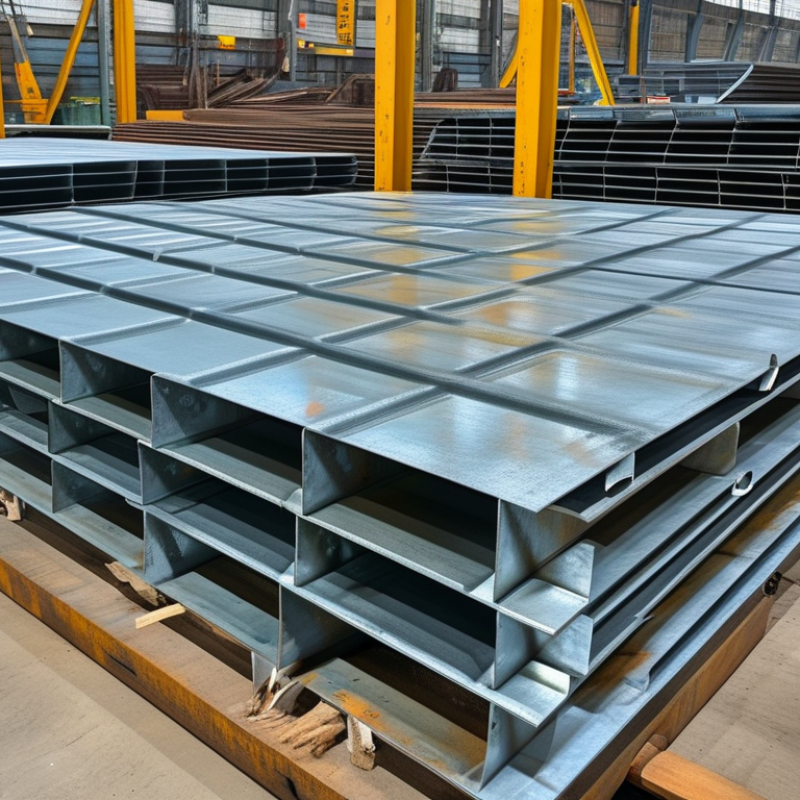
When purchasing galvanized steel grating, weight is a crucial factor that often gets overlooked. The weight of the grating affects various aspects, from installation to durability. Heavier grating generally denotes robustness, indicating that it can withstand higher loads. This can be particularly important in industrial settings, where the grating must support machinery or heavy foot traffic. Buyers need to consider how much weight their specific projects can handle without compromising safety.
However, it’s not just about the weight itself. The distribution of weight can also impact the grating's performance. Uneven weight distribution may lead to warping over time or create stress points. Lighter grating might be easier to install, but it may not provide the same longevity as its heavier counterparts. Understanding these nuances helps buyers make informed decisions, balancing between ease of installation and long-term durability. Evaluating these elements carefully ensures that the chosen grating meets the specific needs of each project.
Factors Influencing the Weight of Galvanized Steel Grating
When selecting galvanized steel grating, weight is a critical consideration for buyers. The weight influences transportation costs and installation procedures. According to industry reports, the weight of grating can vary between 10 to 50 pounds per square foot, depending on the type and thickness of the material used. Buyers must evaluate their specific needs. Heavier grating often offers greater durability for high-load applications, while lighter options may be beneficial for easier handling.
Several factors influence the weight of galvanized steel grating. First, the thickness of the bars directly impacts weight. Thicker bars provide stronger support but increase overall weight. Studies indicate that grating with a thickness of 1 inch can weigh up to 25% more than its 0.5-inch counterpart. The spacing of the bars also matters; closer spacing yields heavier grating. Additionally, the type of galvanization process plays a role. Hot-dip galvanization adds weight compared to other methods. Overall, understanding these variables is essential for making informed purchasing decisions. Recognizing how performance and weight correlate can guide buyers to choose the right product for their needs.
Cost Implications of Weight for Buyers of Galvanized Steel Grating
When selecting galvanized steel grating, buyers often overlook the importance of weight. The weight of the grating affects shipping costs significantly. Heavier materials can lead to increased freight charges, which ultimately raises overall project costs. Understanding weight can guide buyers in making cost-effective purchasing decisions.
Choosing appropriate weight involves assessing the grating’s application. Lightweight options may save money initially but could be less durable. They might require more frequent replacements, leading to higher long-term costs. Striking the right balance between weight and strength is essential.
Considering shipping logistics can also help buyers save money. Weighing the material before ordering can provide insight into expected shipping expenses. Ask suppliers about weight specifications to avoid surprises. Knowledge on grating weight can empower buyers to choose wisely, ensuring both cost efficiency and durability.
Why Does Galvanized Steel Grating Weight Matter for Buyers? - Cost Implications of Weight for Buyers of Galvanized Steel Grating
| Grating Type |
Weight (lbs per ft2) |
Cost per ft2 (USD) |
Load Capacity (lbs) |
Applications |
| Heavy Duty |
5.0 |
$15.00 |
2000 |
Industrial flooring, Walkways |
| Medium Duty |
3.0 |
$10.00 |
1000 |
Platforms, Mezzanines |
| Light Duty |
2.0 |
$7.00 |
500 |
Residential applications, Small walkways |
| Architectural Grating |
1.5 |
$9.00 |
300 |
Aesthetic flooring, Grated surfaces |
Weight Considerations for Installation and Structural Integrity
When it comes to galvanized steel grating, weight is a pivotal factor often overlooked by buyers. Consider that the average weight of steel grating ranges from 20 to 50 pounds per square foot, depending heavily on the design and load requirements. The weight influences transportation, handling, and installation. Lightweight options may seem appealing, but they can compromise structural integrity under heavy loads. A recent study by the American Institute of Steel Construction indicates that underestimating weight can lead to failure in load-bearing applications.
Installation is another critical area where weight plays a role. Heavier grating requires more robust support systems. An improperly supported lightweight grating can flex excessively under stress. Engineering guidelines suggest that for areas with high foot traffic, steel grating should not exceed a loading capacity of 250 pounds per square foot. This means buyers need to assess not only the grating itself but also the overall structural framework that will support it.
Furthermore, while a lighter product can ease transport, it is essential to balance this with durability. Products that are too light may not perform well over time. A careful evaluation of weight versus performance ensures longevity in any installation. Without a proper understanding of these factors, buyers risk facing costly repairs and safety hazards. The equation of weight, support, and function must be meticulously considered to achieve optimal results.
Weight Considerations for Galvanized Steel Grating
Understanding the weight of galvanized steel grating is crucial for buyers, as it affects installation processes and structural integrity. The above chart illustrates the weight variations based on different thicknesses, which can inform decision-making in terms of handling and supporting the grating.
Comparing Weight to Performance: A Buyer’s Guide to Galvanized Steel Grating
When considering galvanized steel grating, weight plays a crucial role in its overall performance. Heavier grating can offer better stability and durability in demanding environments. It supports larger loads and withstands harsh conditions more effectively. However, excessive weight can complicate installation and increase transportation costs. Buyers must strike a balance between weight and functionality.
Understanding the specific application is essential. In high-traffic areas, lighter grating may be sufficient. Yet, for industrial applications, heavier options are often necessary. The choice impacts not only performance but also safety. In some cases, less weight might mean easier handling, but it could also lead to a decrease in strength. This trade-off can affect long-term costs and operational efficiency.
Buyers should consult with experts to determine the ideal balance. Often, testing different options in real-world scenarios can yield valuable insights. Understanding material properties and how they relate to weight can enhance decision-making. After all, purchasing galvanized steel grating is not just about price; it’s about ensuring reliability and performance over time.