Choosing the best plain grating for your project can be challenging. Industry expert John Doe, a leading figure in grating solutions, once said, "The right choice can make or break the efficiency of your project." His words highlight the importance of understanding various grating options.
Plain grating serves multiple purposes across various industries. Selecting the right type requires careful consideration of factors like load capacity and material type. With options ranging from fiberglass to steel, a wrong choice might lead to safety hazards or increased costs.
It is essential to reflect on your specific needs. Are you focusing on durability, weight, or maintenance? Each project is unique, and the right plain grating can enhance functionality. Understanding these elements is crucial in navigating the complex landscape of grating options.
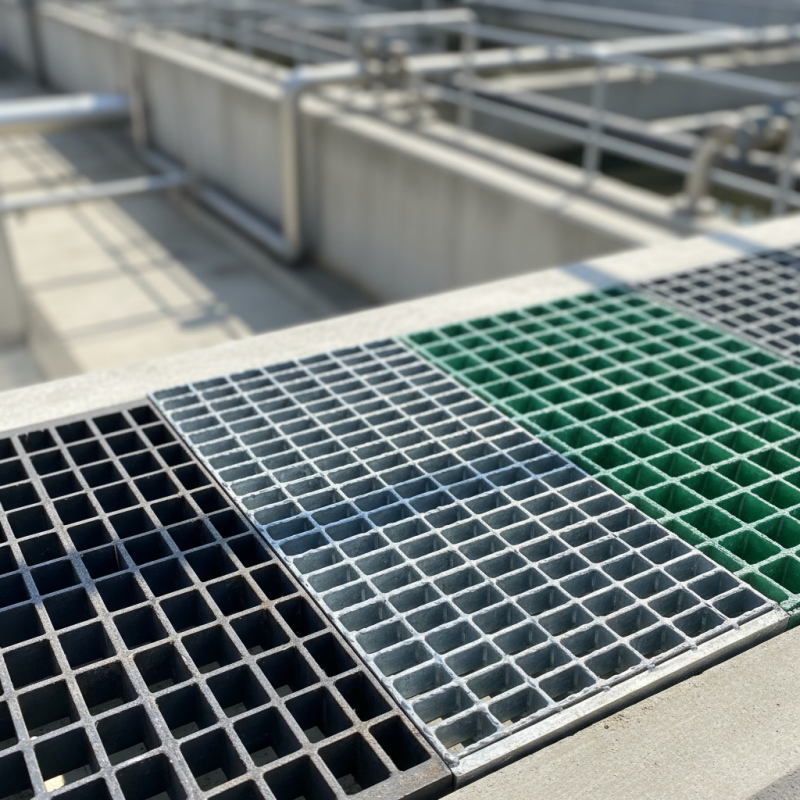
When selecting plain grating for your project in 2026, multiple factors come into play. Material choice is crucial. Each material has strengths and weaknesses. For instance, steel offers durability. However, it can rust without proper maintenance. Aluminum is lighter but may not be as strong. Consider the environment. Will the grating be exposed to moisture? This factors into longevity.
Another vital consideration is load capacity. Assess the weight the grating needs to support. Gratings come in various thicknesses and designs. Ensure you factor in applicable safety standards for your specific use. Don't overlook installation requirements. Some gratings are easier to install than others. This can save time and labor costs.
Tip: Always check your local regulations regarding grating materials and safety requirements.
Consider the aesthetics as well. The look of the grating can impact the project's overall appearance. Balancing function and form is essential. Experiment with different options. Sometimes the most obvious choice is not the best fit. A reflective approach can reveal unexpected solutions.
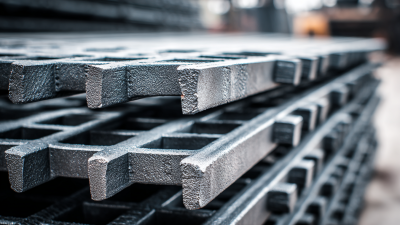
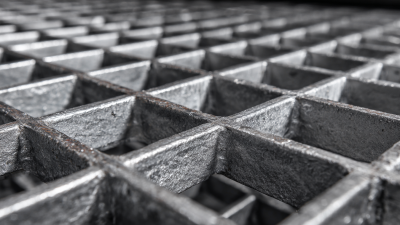
When selecting grating for a project, understanding the material types is crucial. Steel grating is often chosen for its strength and durability. It can withstand heavy loads and harsh conditions. However, it is prone to rust and requires regular maintenance. This is a factor to consider for long-term projects.
Aluminum grating offers a lightweight alternative. It is resistant to corrosion, making it ideal for outdoor applications. Its reflective surface can also enhance visibility in low-light areas. Yet, aluminum can warp under extreme heat. This needs careful planning when used in certain environments.
Fiberglass grating stands out for its non-corrosive properties. It is easier to install and requires less maintenance. Often found in chemical plants, it can resist harsh chemicals. However, fiberglass may not support heavy loads as effectively as steel. This can pose limitations in heavy-duty applications. Understanding these differences can help you make better choices.
When selecting plain grating for your project, load-bearing capacity is crucial. This determines how much weight the grating can withstand without failure. You must assess the total load your grating will bear, including dynamic forces from foot traffic or equipment. Impact resistance is also essential. Areas with heavy foot traffic or machinery require stronger materials.
Consider environmental factors as well. Grating exposed to moisture may corrode faster, reducing its lifespan and load-bearing capacity. Testing strength ratings can provide insights. Specifications from manufacturers often include maximum load limits, but real-world conditions may differ. Rely on project experiences and industry best practices to gauge reliability.
Choosing the right material can be challenging. You may struggle with balancing costs and durability. Reflect on past projects where material failures led to safety concerns. Accurate assessments now can prevent future issues. Aim for a holistic approach to grating selection, prioritizing both load capacity and environmental conditions for optimal safety.
| Material Type | Load-Bearing Capacity (lbs) | Impact Resistance Rating | Common Applications |
|---|---|---|---|
| Fiberglass | 1,000 | High | Walkways, platforms |
| Steel | 2,500 | Medium | Industrial floors, loading docks |
| Aluminum | 1,500 | Medium | Walkways, ramps |
| Plastic | 800 | Low | Light-duty use, outdoor areas |
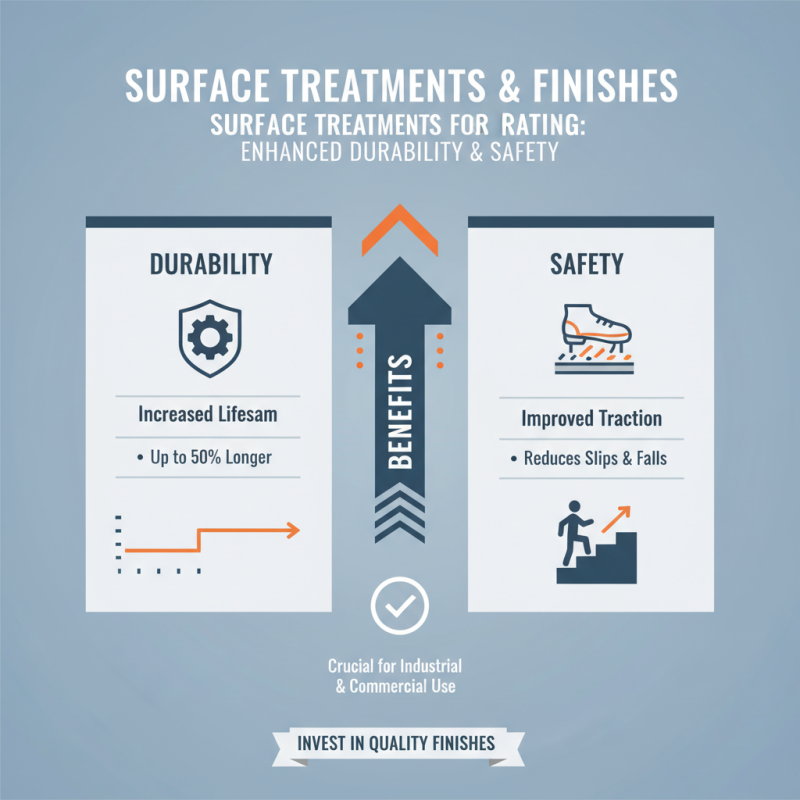
When selecting plain grating for projects, surface treatments and finishes play a crucial role. These treatments enhance both durability and safety, which are essential factors in various industrial and commercial applications. According to a recent industry report, treated surfaces can increase grating lifespan by up to 50%. This statistic underlines the importance of investing in appropriate finishes.
Common treatments include hot-dip galvanizing and powder coating. Hot-dip galvanizing offers robust corrosion resistance, ideal for outdoor settings. It forms a protective layer through a zinc coating, effectively keeping rust at bay. Conversely, powder coating provides a smoother finish. This treatment allows for more aesthetic options while still ensuring a strong barrier against wear and tear. However, it's vital to note that powder coatings might chip if subjected to heavy impact, leading to potential vulnerabilities.
While the benefits are clear, considerations must be made regarding environmental impact and maintenance. Some treatments, like certain paints, may require more frequent touch-ups. These can result in increased upkeep costs over time. Finding a balance between aesthetics, cost, and longevity is often challenging. Choosing the right surface treatment requires thorough assessment and understanding of project needs.
When selecting plain grating, understanding cost versus quality is essential. Many factors influence pricing, such as material type and production methods. Premium options may cost more upfront, but they often provide better durability and longevity. For instance, steel grating may have a higher initial investment compared to plastic, yet its lifespan often justifies the expense.
Project budgets require careful planning. Unexpected costs can arise from choosing lower-quality grating. Frequent replacements and repairs may impact financial resources negatively. It’s crucial to assess the total cost of ownership, not just purchase price. Sometimes, a less expensive option might seem attractive but could lead to higher long-term expenses.
Analyzing your project's specific needs will help in making informed decisions. Consider the environment where the grating will be used. Harsh conditions might demand more robust materials, impacting the cost significantly. Evaluate trade-offs between price and performance. Each decision can affect the overall success of your project. Balancing these elements requires thorough research and thoughtful consideration of your project's unique requirements.