10 Essential Tips for Choosing Heavy Duty Steel Floor Grating
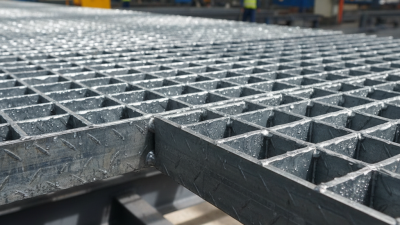
Choosing the right Heavy Duty Steel Floor Grating is crucial for various applications. It offers safety and durability in demanding environments. Understanding the specific needs of your project can be challenging. There are numerous options available, each with unique specifications and characteristics.
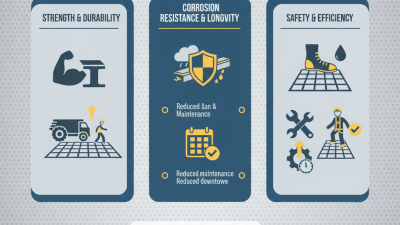
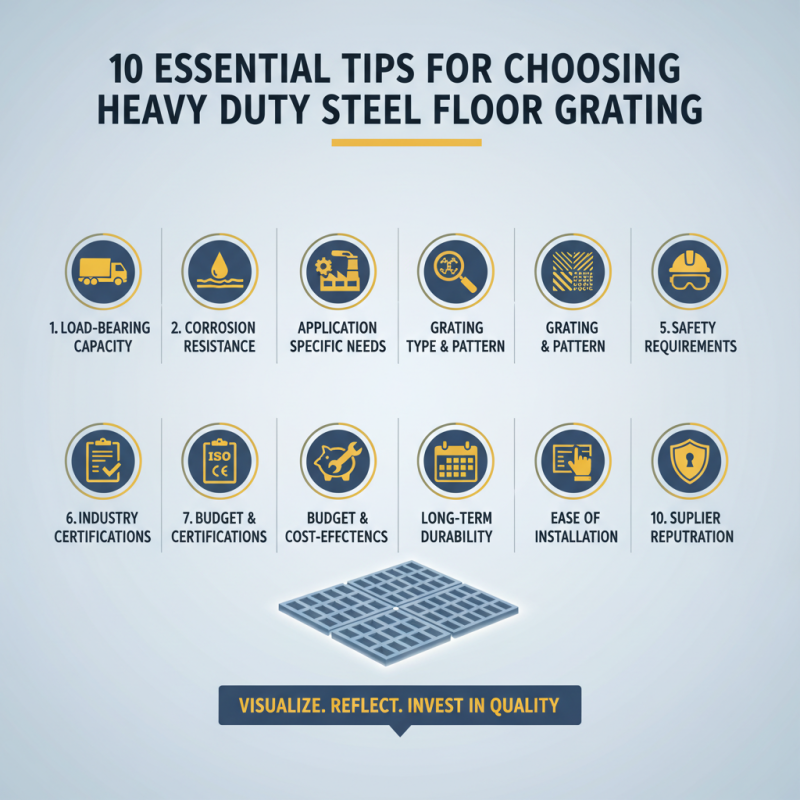
When selecting heavy duty grating, consider its load-bearing capacity. This factor directly impacts the overall safety and performance. Additionally, the material's corrosion resistance is vital for long-term usage, especially in harsh settings. Visualizing how the grating will perform under different conditions can help in making informed choices.
Reflecting on past choices can guide future decisions. Industry standards and certifications, like ISO or CE, matter when assessing quality. It's easy to overlook these details in favor of pricing alone. However, investing in superior products can lead to better outcomes. Heavy Duty Steel Floor Grating should meet both functional and safety requirements, ensuring it serves its purpose effectively.
Understanding the Purpose and Applications of Heavy Duty Steel Floor Grating
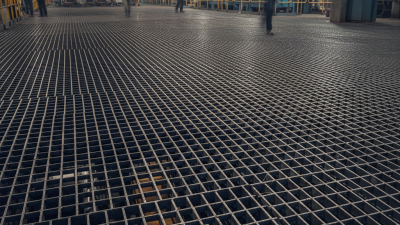
Heavy duty steel floor grating plays a vital role in various industrial settings. It serves multiple purposes, including providing safe walkways, facilitating drainage, and ensuring air circulation. According to a recent industry report, approximately 30% of workplace accidents occur due to improper flooring solutions. This highlights the importance of selecting the right grating.
These grates are commonly used in manufacturing plants, construction sites, and commercial spaces. Their durability is necessary for withstanding heavy loads, yet many overlook their installation requirements. Some facilities reported issues with rust and maintenance, suggesting a need for better material selection.
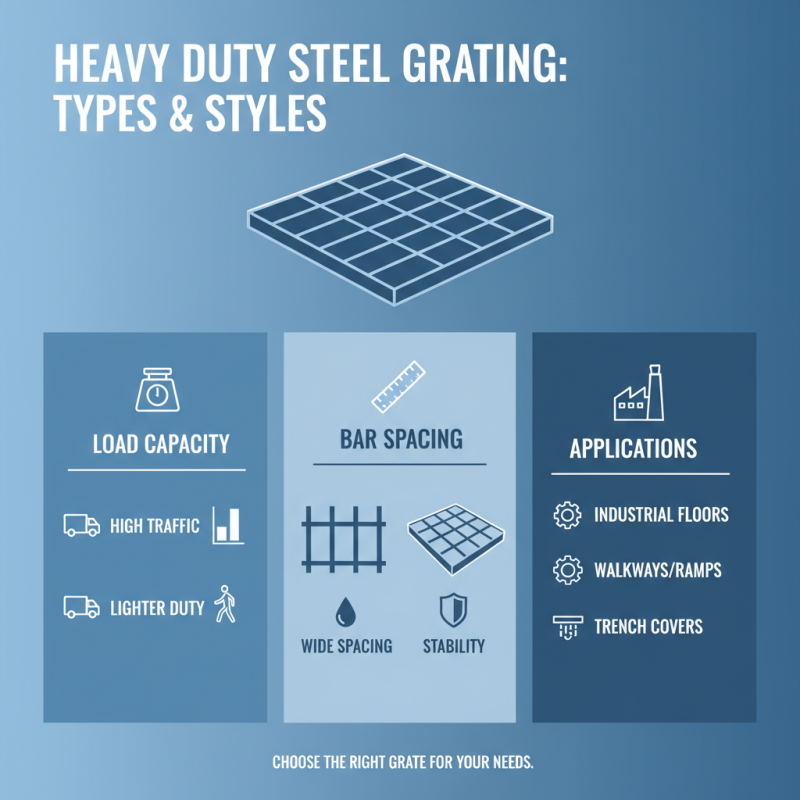
Proper understanding of load capacities is crucial. Heavy duty steel grating can support loads ranging from 2,500 to 50,000 pounds per square foot, depending on design. However, not all applications require such strength. Choosing an appropriate design can reduce costs while maintaining safety. Industry standards often evolve, making it essential to stay informed about the latest specifications.
Key Factors to Consider When Selecting Heavy Duty Steel Floor Grating
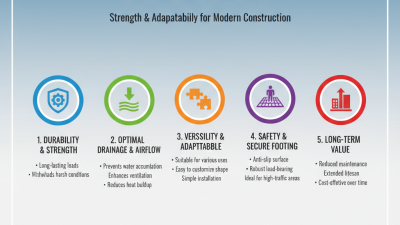
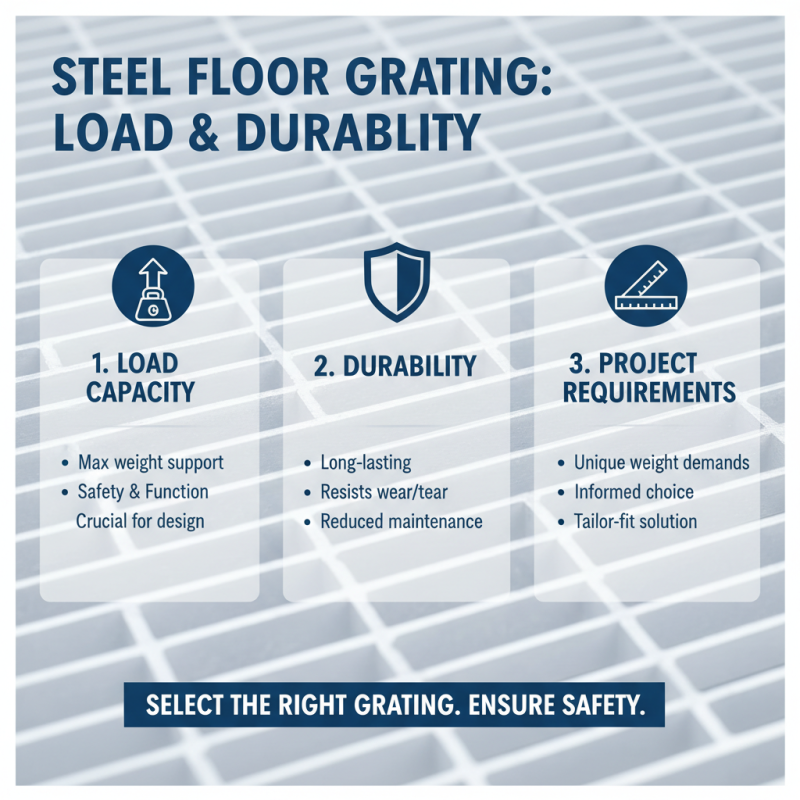
When selecting heavy duty steel floor grating, consider the load-bearing capacity. The grating should support the maximum weight without bending or warping. Analyze your specific requirements carefully. Are you using it in an industrial environment? If so, choose grating that can withstand heavy equipment.
Surface finish matters too. A slip-resistant surface is essential for safety. Look for coatings that can endure corrosion and wear. It increases the longevity and performance of the grating. Some finishes may not hold up well over time, so weigh your options.
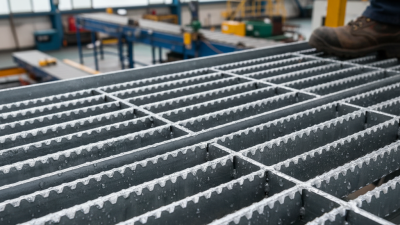
Don't forget about the spacing between the bars. This affects both strength and safety. Closer spacing can handle more weight and prevents small items from falling. However, it can cost more. Understand your budget constraints while finding a balance. A lifetime investment may require higher upfront costs, but it pays off eventually. Consider these factors wisely for a successful selection.
Heavy Duty Steel Floor Grating Selection Factors
This chart illustrates the key factors to consider when selecting heavy duty steel floor grating, with their importance rated on a scale from 1 to 10. The highest priority is given to load capacity, followed closely by corrosion resistance and safety features.
Maintenance and Care Tips for Prolonging the Life of Steel Floor Grating
To prolong the life of steel floor grating, regular maintenance is crucial. Start by cleaning the grates periodically. Debris can accumulate over time, causing corrosion. A simple sweep or a power wash can help. Pay attention to corners and hard-to-reach areas, as they often hide dirt. Neglecting these spots can lead to bigger problems later.
Inspect the grating regularly for any signs of wear or damage. Look for any loose or missing sections. Even small cracks can worsen if ignored. Also, consider applying a protective coating. This can guard against rust and enhance durability. Regular checks and preventive measures can save time and money in the long run.
Be mindful of heavy loads placed on the grates. Exceeding weight limits can lead to failure. It's essential to educate users about proper loading to avoid accidents. Sometimes, human habits lead to misuse, which can be frustrating. Using tools like load indicators can be helpful. Understanding and improving these practices will benefit everyone involved.