Composite Steel Grating Tips for Choosing the Right Type?
In the world of construction and industrial applications, choosing the right type of Composite Steel Grating can be daunting. Experts like John Smith, a leading figure in the grating industry, often remind us, “The choice of grating can make or break your project.” His insights reveal the importance of careful selection.
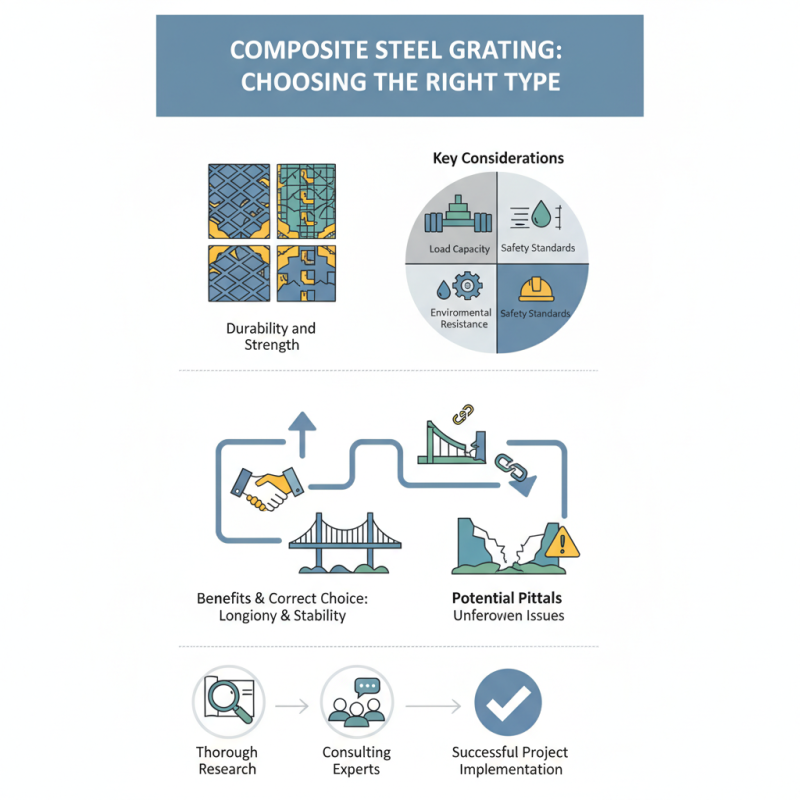
Composite Steel Grating is known for its durability and strength. It holds up well in various environments. However, it’s essential to consider specific factors when making a decision. Different projects may require different specifications, such as load capacity and spacing. Personal experiences often vary. Some find it easy; others face challenges.
Incorporating Composite Steel Grating into your project can yield great benefits. Yet, one should remain aware of the potential pitfalls. Selecting the wrong type can lead to unforeseen issues. Therefore, it’s vital to conduct thorough research and consult experts. The right choice ensures safety and longevity. Every detail counts, and each project is unique.
Understanding Composite Steel Grating: An Overview of Features
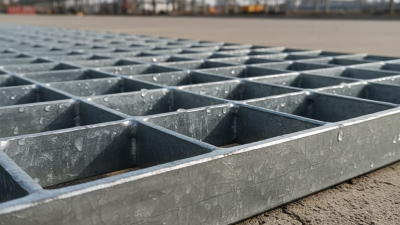
Composite steel grating offers durability and versatility in various industrial applications. It combines the strength of steel with lightweight materials, providing a strong yet manageable solution. This type of grating features corrosion resistance, making it ideal for environments exposed to moisture. It is used commonly in walkways, platforms, and staircases.
Selecting the right composite steel grating can be challenging. There are multiple styles and load ratings to consider. For instance, open spacing allows for drainage while heavy-duty options support substantial weight. Think about the location and specific needs of your project. Will it face heavy machinery? Or will it be exposed to chemicals? Understanding these factors helps narrow down choices.
Many overlook the importance of proper installation. Incorrect placement can lead to premature wear or safety issues. Additionally, choosing the wrong type can result in costly replacements or repairs later on. Reflecting on these aspects during decision-making can lead to more effective solutions in the long run. It’s crucial to analyze not just aesthetics, but functionality and safety as well.
Types of Composite Steel Grating: Comparing Different Materials and Designs
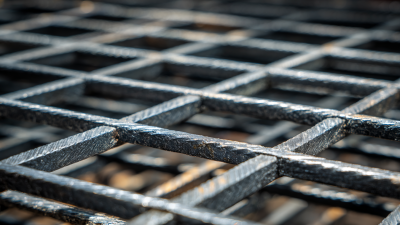
When choosing composite steel grating, understanding the available materials and designs is crucial. Common materials include fiberglass, aluminum, and different steel types. Each has unique properties that can affect performance. For instance, fiberglass offers corrosion resistance but may lack the load-bearing capabilities of steel. Steel grating is known for strength, but its weight can be a drawback in certain applications.
Designs vary significantly. Open bar grating allows for better drainage and ventilation. Solid tops provide a smooth surface, which is beneficial in sensitive areas. Reports indicate that grating with a mesh design can enhance traction and reduce slip accidents, a critical aspect in industrial environments.
While evaluating designs, consider maintenance and installation. Some materials require more upkeep, impacting long-term costs. Steel grating can rust if not treated properly. This maintenance factor can encourage buyers to reassess their choices. Balancing material strengths with design needs is a complex decision. Each choice has implications for safety and longevity. Understanding these factors reduces potential pitfalls in selection.
Key Factors to Consider When Choosing Composite Steel Grating
Choosing the right composite steel grating involves several key factors. First, consider the environment where the grating will be used. Will it be exposed to chemicals or heavy traffic? Different materials resist wear in unique ways. This choice impacts durability.
Next, load-bearing capacity is crucial. You need to know the weight that the grating must support. Miscalculating can lead to failures. Check specifications carefully. Opting for a low-capacity grating in a high-load area may result in costly repairs.
Lastly, safety features matter. Slip resistance is vital, especially in wet conditions. However, some surfaces can be hard to keep clean. Look for a balance between grip and maintenance. Aesthetic appeal may also influence your decision, but functionality should remain the priority. Choosing blindly can lead to regrets later.
Applications of Composite Steel Grating in Various Industries
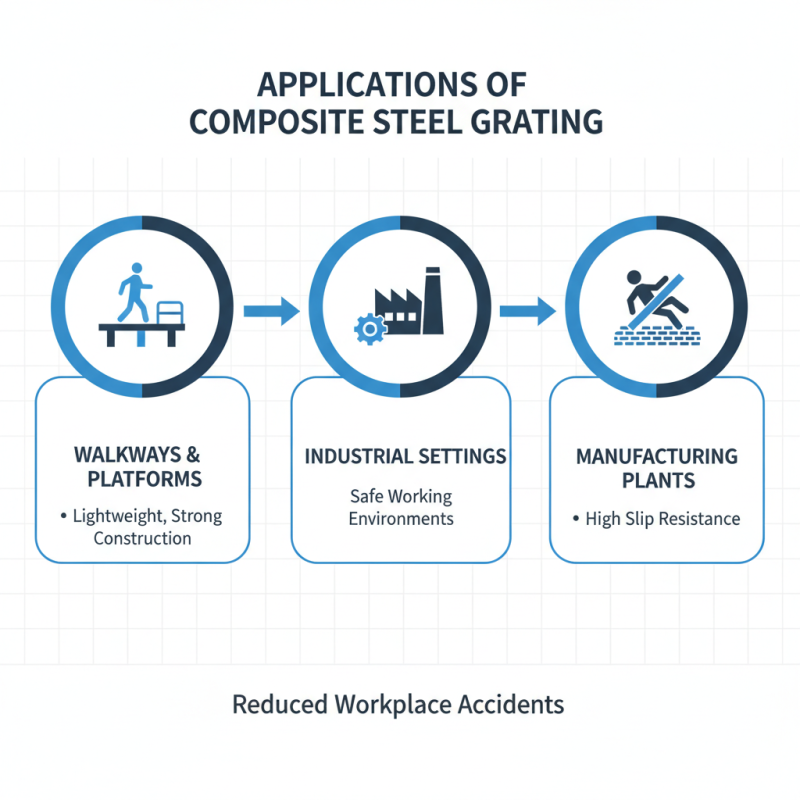
Composite steel grating finds applications in many industries. Its lightweight yet strong construction makes it ideal for walkways and platforms. In industrial settings, composite grating is often used to create safe working environments. Manufacturing plants benefit greatly from its high slip resistance. This feature helps reduce workplace accidents related to falls.
In the oil and gas sector, composite steel grating plays a crucial role. It withstands harsh conditions, including temperature fluctuations and chemical exposure. However, not all composite materials are created equal. Some may not meet specific environmental regulations. This can lead to complications and costly replacements. Selecting the right type of composite grating requires careful consideration of the environment.
Moreover, the construction industry increasingly turns to composite grating for drainage systems. Its corrosion resistance ensures longevity in wet conditions. Yet, some installations may face challenges with load capacity. It's essential to assess the weight requirements accurately. Choosing the right composite steel grating is vital for performance and safety.
Maintenance and Durability: Ensuring Longevity of Composite Steel Grating
When choosing composite steel grating, maintenance and durability are crucial for ensuring its longevity. Composite steel grating is designed to withstand harsh environments, yet neglecting maintenance can lead to costly repairs. Research indicates that regular inspections can extend the life of grating systems by up to 30%. Keeping the surface clean and free from debris is essential. Any buildup can lead to premature wear.
Tip: Regularly check for structural integrity. If you spot rust or corrosion, it’s important to address it immediately. Composite grating materials are corrosion-resistant, but they are not infallible. Ignoring early signs can lead to significant damage over time.
Moreover, environmental factors play a key role in durability. Factors such as UV exposure and moisture can impact the performance of composite grating. In areas with heavy rainfall, for instance, sealing and protective coatings are advised. This ensures that the grating's lifespan is maximized despite environmental challenges.
Tip: Opt for grading designs suited to your environment. Some grating types perform better in specific conditions. An informed choice in the beginning leads to better longevity in the end.