How to Choose the Best Black Plain Grating for Your Needs?
When selecting Black Plain Grating, it is essential to understand its various applications. This type of grating is widely used in both commercial and industrial settings. Choosing the right product can be overwhelming, given the numerous options available.
Black Plain Grating offers durability and reliable performance. However, not all grating types meet specific needs. Some may be too thick, while others may lack the necessary strength. Consider your requirements carefully. It pays to know if you need lightweight or heavy-duty options.
Inadequate choices can lead to future issues. A mismatch could result in safety hazards or unexpected maintenance costs. Therefore, examining your environment is crucial. Take the time to reflect on the practical demands of your space. After all, the right Black Plain Grating should enhance safety and efficiency.
Understanding the Basics of Black Plain Grating
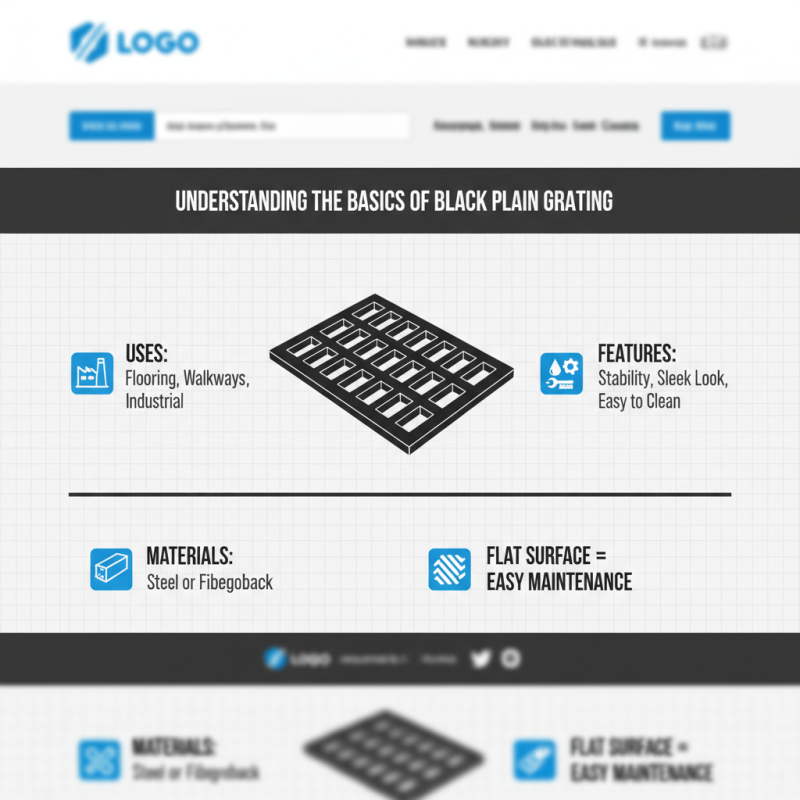
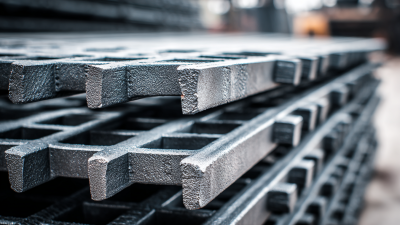
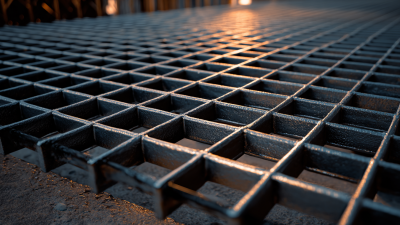
When considering black plain grating, it’s essential to grasp its basic features. Black plain grating is often used for flooring, walkways, and industrial applications. It offers stability and a sleek look. This style is generally made from steel or fiberglass. The surface is flat, making it easy to clean and maintain.
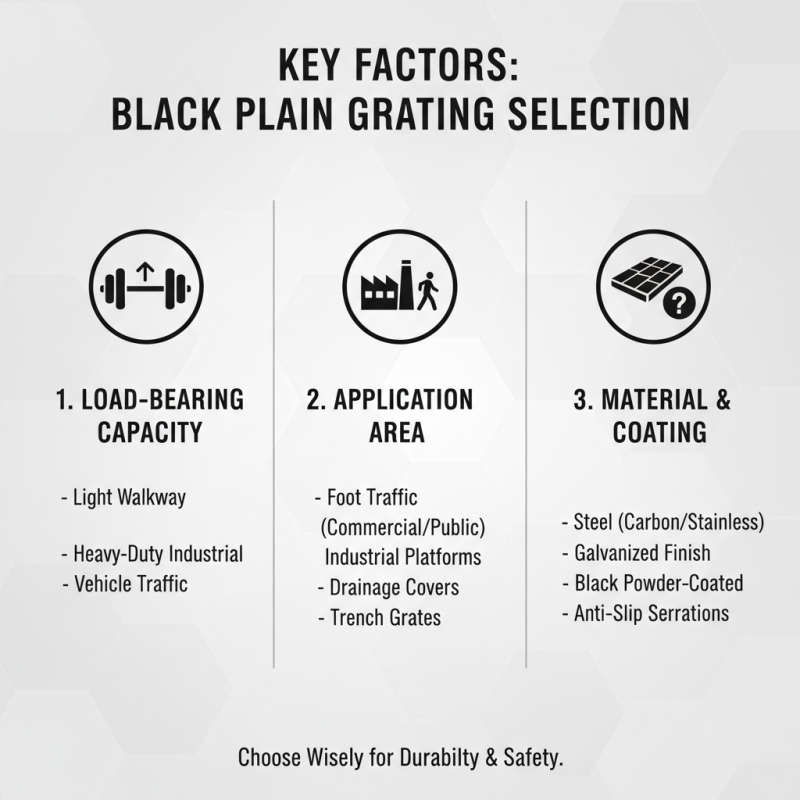
It’s important to assess your specific needs. Think about the load-bearing requirements. Some users seek grating that can withstand heavy machinery. Others prioritize aesthetics for commercial spaces. Also, consider the environment. Will the grating be exposed to weather elements? These factors can influence the material choice.
Don’t overlook safety features. Some types of grating can be slippery when wet. Choosing the right texture is crucial. You may want to try different types before making a decision. Testing can reveal what works best in your space. The options can seem overwhelming. In these cases, gathering input from others can provide clarity and improve your selection process.
Different Materials and Their Benefits for Black Plain Grating
When selecting black plain grating, understanding material options is essential. Various materials offer unique benefits. For instance, steel is highly durable and cost-effective. According to a recent industry report, steel grating accounts for over 50% of the market due to its strength and versatility. It's ideal for heavy-duty applications, like loading docks and warehouses. However, it can be prone to rust without proper maintenance.
On the other hand, aluminum grating is lightweight and resistant to corrosion. This makes it perfect for outdoor and humid environments. A survey in the construction industry showed that aluminum grating can extend service life by up to 30% in coastal areas. Additionally, fiberglass grating is another option. It's non-conductive and chemical-resistant, making it suitable for specialized industrial settings. Yet, its higher initial cost might deter some users.
Choosing the best material requires careful consideration of specific needs. Analyze the environment where the grating will be installed. Are there heavy loads? Will the area be exposed to moisture or chemicals? Balancing durability, maintenance needs, and budget constraints is crucial for effective decision-making. Each material has its pros and cons, and understanding these can lead to better choices in the long run.
Common Applications for Black Plain Grating in Various Industries
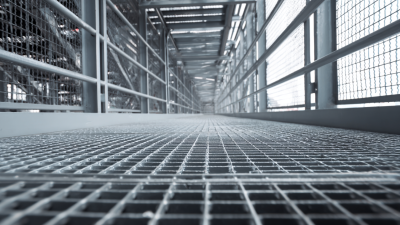
Black plain grating is widely used across various industries. In construction, it's vital for creating safe walkable surfaces. According to a recent report, about 30% of construction projects utilize some form of grating. This trend signifies the importance of choosing the right material, especially for heavy-duty applications.
In food processing, black plain grating is favored due to its resistance to corrosion. Many facilities have reported a 20% increase in efficiency when using appropriate grating. However, it’s crucial to consider the specific environment. Not all black grating can withstand the rigorous cleaning procedures often required in this sector.
Chemical plants also rely on black plain grating for its durability. A study highlighted that around 40% of industries face challenges with wear and tear on their grating systems. The wrong choice can lead to safety hazards. Regular inspections and maintenance are necessary to ensure longevity. Ultimately, understanding the specific application will guide better selections.
How to Choose the Best Black Plain Grating for Your Needs? - Common Applications for Black Plain Grating in Various Industries
| Application Area |
Material |
Load Capacity (lbs) |
Common Use Case |
| Industrial Flooring |
Fiberglass |
2500 |
Heavy equipment areas |
| Walkways |
Steel |
1500 |
Pedestrian paths in warehouses |
| Drain Covers |
Aluminum |
1000 |
Stormwater drainage systems |
| Platform Grating |
Plastic |
800 |
Storage areas and loading docks |
| Railway Walkways |
Composite |
1200 |
Train platforms and maintenance stations |
Maintenance Tips for Longevity of Black Plain Grating
Maintaining black plain grating is vital for its longevity and effectiveness. According to industry reports, proper upkeep can extend the lifespan by up to 30%. Regular cleaning is essential. Dirt and debris can accumulate in the grating, affecting drainage and safety. Remove any buildup monthly. A simple rinse with water often suffices.
Corrosion is another concern. While black plain grating is generally durable, exposure to moisture can lead to rust. Applying protective coatings can mitigate this risk. A study by the Steel Framing Alliance shows that coatings can double the service life of grating materials. Inspecting for signs of wear every six months is a practical step. Look for chips, cracks, or rust spots, and address issues promptly.
Finally, consider the installation environment. Harsh conditions accelerate wear and tear. In coastal areas, saltwater can be particularly damaging. Adjust maintenance schedules based on your location. Seasonal weather changes might require different care. Be mindful of these factors to ensure your black plain grating remains functional and safe for years to come.