How to Choose the Best Steel Driveway Grating for Your Needs?
Choosing the right Steel Driveway Grating can significantly impact your property's drainage and aesthetic appeal. With various options available, it's essential to consider your specific needs. Factors such as load capacity and material durability will influence your decision. Steel grating is favored for its strength and longevity.
When selecting Steel Driveway Grating, examining the environmental conditions is crucial. Some areas experience heavy rains, leading to potential flooding. This adds strain on drainage systems. A well-chosen grating can effectively direct water away and prevent damage.
Moreover, the grating's design affects both functionality and style. Some options offer a sleek, modern look that enhances curb appeal. However, not every design suits every home. Exploring different styles and configurations allows you to reflect on your preferences and expectations. This choice may seem daunting, but understanding your environment and needs can lead to satisfaction in the long run.
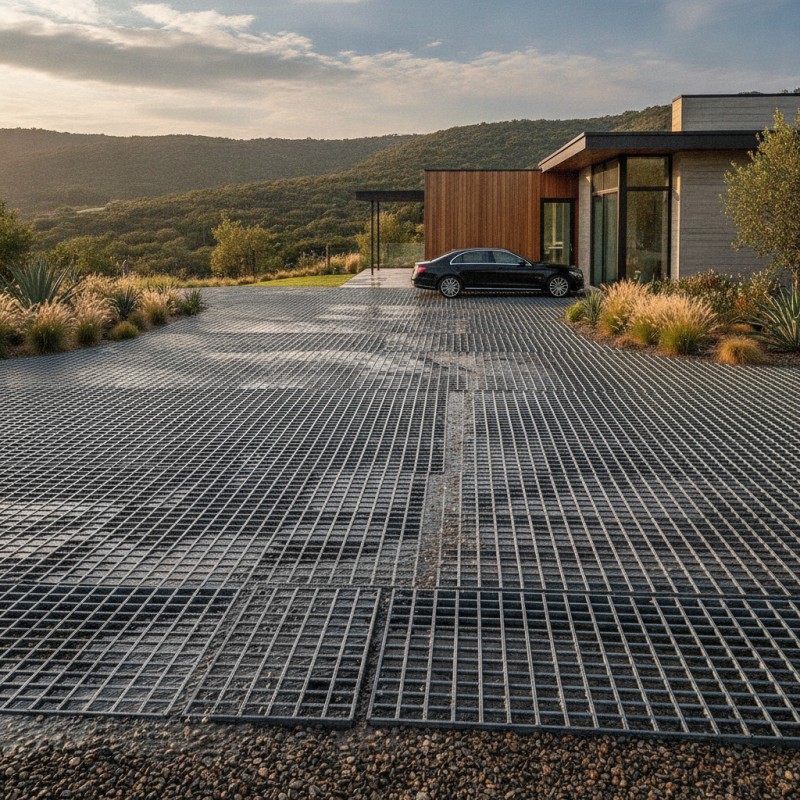
Key Factors to Consider When Selecting Steel Driveway Grating
Choosing the right steel driveway grating requires careful consideration. Start by assessing the load-bearing capacity you need. Some areas may experience heavy traffic, while others may not. A grating that fails under pressure can lead to costly repairs.
Consider the grating's design. Open patterns allow for better drainage, preventing water buildup. This is crucial for maintaining your driveway's integrity. Look at the material's resistance to rust and corrosion. These factors contribute to the longevity of your grating, enhancing its overall reliability.
Pay attention to the installation process. Some types are easier to install than others, which can save you time and effort. Reflect on whether you have the skills needed for installation or if you’ll hire a professional. Think about maintenance, too. Regular cleaning can prolong the life of your grating.
When selecting, weigh all these factors against your specific needs. Making the right choice now can prevent future issues.
Types of Steel Grating: Comparing Material Properties and Durability
When selecting steel driveway grating, understanding the types available is crucial. Steel grating comes in various forms, each with unique material properties. For instance, welded steel grating is often renowned for its strength. It can support heavy loads, making it ideal for driveways with substantial traffic. The gaps between the bars allow for effective drainage, which prevents water pooling after rain.
Another option is stamped steel grating. This type offers excellent slip resistance, a significant concern in wet or icy conditions. It is lighter than welded grating but still durable. However, its thinner design may mean reduced load-bearing capacity compared to heavier counterparts. It's important to evaluate your specific needs. Will your driveway see heavy vehicles, or is it mostly used for lighter loads?
Corrosion resistance is another significant factor to consider. Galvanized steel grating provides a protective layer against rust, enhancing its lifespan. However, this does not make it invincible. Environmental conditions can affect its durability. Regular maintenance helps ensure longevity. Balancing these factors requires careful thought. Reflect on your driveway's demands and local weather conditions to make the best choice.
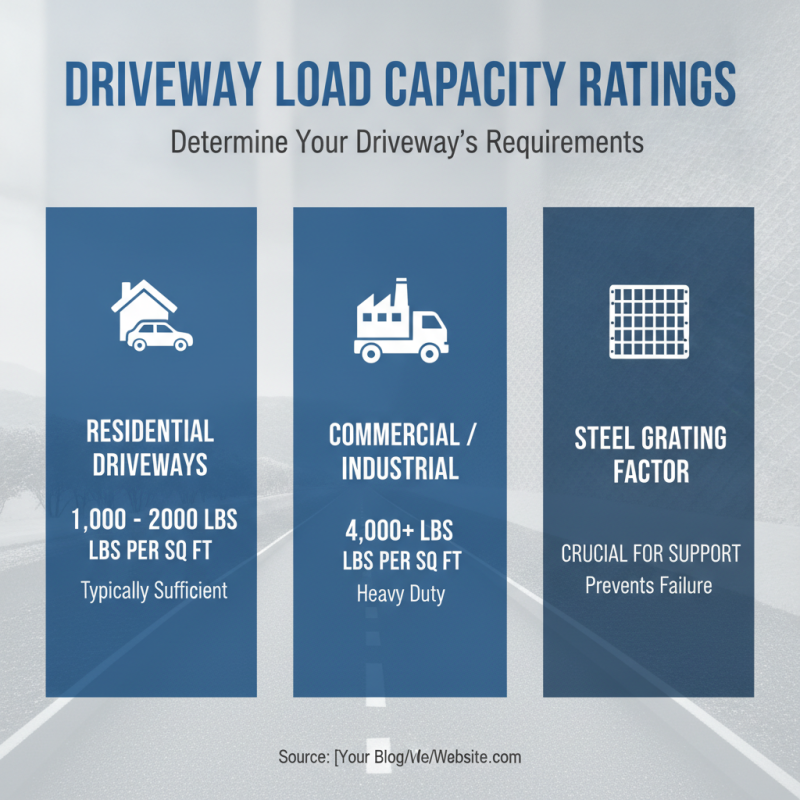
Load Capacity Ratings: How to Determine Your Driveway's Requirements
When selecting steel driveway grating, load capacity is a crucial factor. The load capacity determines how much weight the grating can support without failing. For most residential driveways, a capacity rating between 1,000 to 2,000 pounds per square foot is typically sufficient. However, commercial or industrial driveways may require grating that can withstand loads of 4,000 pounds or more.
Understanding your driveway's requirements starts with analyzing typical loads. The American Public Works Association (APWA) indicates that passenger vehicles weigh around 3,000 to 4,000 pounds. If heavy trucks or larger vehicles frequently use your driveway, this will influence the grating choice. A comprehensive load analysis is necessary. Also, consider environmental factors like snow and ice accumulation. Wet conditions can affect the grating’s effectiveness.
Load ratings are often marked on the grating itself. It's essential to consult manufacturer specifications. Not all grates are created equal; even within the same capacity range, designs will differ. Using a grating meant for low traffic on a heavily used driveway may lead to issues. Hence, pay attention not only to weight ratings but also to design integrity and material quality. Always ensure that your selection matches both current and future needs.
Surface Finish Options: Enhancing Safety and Aesthetics in Grating Choice
When selecting steel driveway grating, surface finish options are crucial in enhancing safety and aesthetics. Coatings like hot-dip galvanizing can improve longevity. According to industry reports, galvanized finishes can extend the lifespan of grating by over 25 years. This durability makes it suitable for harsh weather conditions.
Moreover, the choice of finish can influence traction. A rough surface can prevent slips, especially in wet environments. Research indicates that textured grating reduces slip and fall accidents by approximately 40%. Homeowners and contractors must consider these safety features in their selection process.
However, aesthetic appeal should not be overlooked. Painted finishes offer various color options, allowing for design flexibility. Yet, paint may require more maintenance compared to galvanized finishes. This could lead to increased costs over time. Balancing safety and aesthetics in grating choice involves understanding both immediate and long-term needs.
How to Choose the Best Steel Driveway Grating for Your Needs? - Surface Finish Options: Enhancing Safety and Aesthetics in Grating Choice
| Grating Type |
Surface Finish |
Safety Features |
Aesthetic Appeal |
Durability |
| Bar Grating |
Powder Coated |
High Slip Resistance |
Custom Colors Available |
High Strength |
| Grid Grating |
Hot-Dip Galvanized |
Anti-Skid Surface |
Modern Industrial Look |
Corrosion Resistant |
| Slotted Grating |
Electroplated |
Draining Capability |
Sleek Finish |
Long Lifespan |
| Heavy Duty Grating |
Stainless Steel |
Enhanced Load Bearing |
High-End Finish |
Extreme Durability |
Cost Analysis: Budgeting for Installation and Maintenance of Steel Grating
When budgeting for steel driveway grating, consider both installation and maintenance costs. Installation costs can vary widely based on size and complexity. On average, you might spend between $15 to $30 per square foot. Factors like site preparation and local labor rates will influence the final price. Make sure to assess your property’s needs carefully. If your driveway has unique features, additional costs may arise.
Maintenance is another crucial aspect. Steel grating requires regular upkeep to prevent rust and ensure longevity. You may need to allocate funds for coatings or rust treatments. Set aside about 1% to 2% of the initial installation cost annually for maintenance. However, this might fluctuate depending on your local climate and exposure to corrosive elements. Despite careful budgeting, unexpected repairs can occur, so a small contingency fund is wise. Reflect on the potential for hidden expenses, and plan accordingly.
Cost Analysis: Budgeting for Installation and Maintenance of Steel Grating