How to Choose the Right Welded Steel Grating for Your Project?
Choosing the right Welded Steel Grating for your project is crucial. Expert John Smith, a leading figure in the steel construction industry, states, "Selecting the right grating can enhance both safety and functionality." Steel grating plays a vital role in various applications. Its strength and durability make it a preferred choice for industrial and commercial settings.
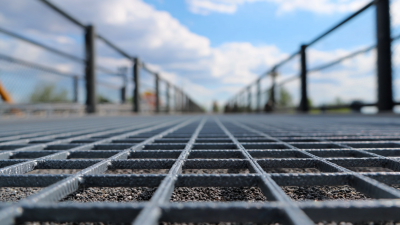
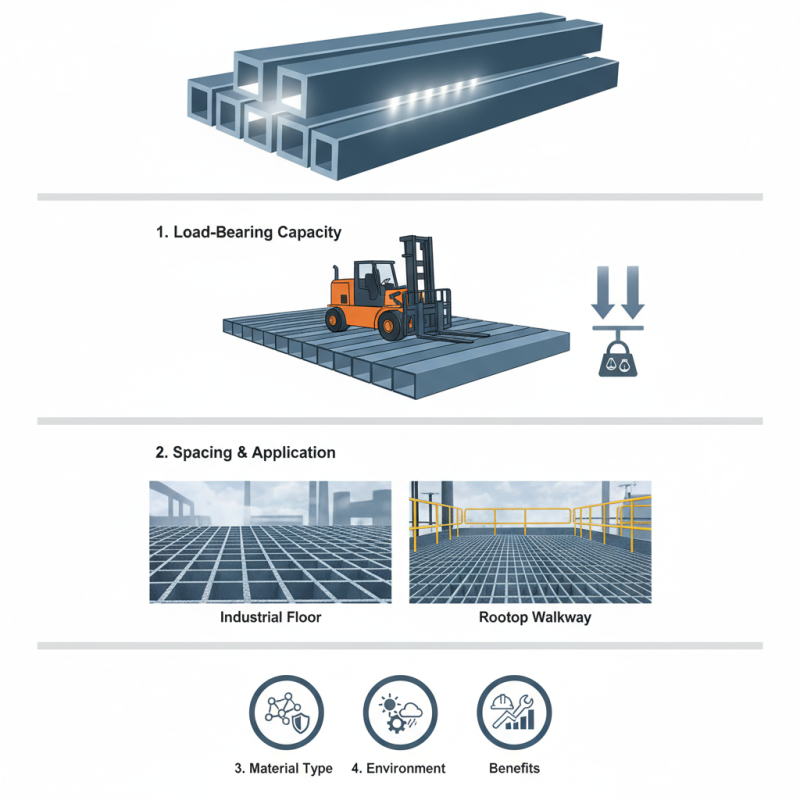
Welded Steel Grating is designed to withstand heavy loads and harsh environments. It is essential to consider factors such as load-bearing capacity, spacing, and material type. Ignoring these details can lead to costly mistakes. Many projects suffer due to improper choices in grating design. Visualizing the application of Welded Steel Grating can provide clarity.
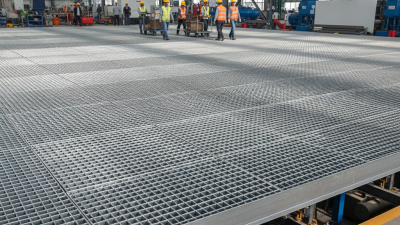
Think about a factory floor or a rooftop walkway. Each environment has unique demands. Assessing requirements before selection is necessary. The right grating will not only ensure safety but also provide long-term benefits. Make informed choices to avoid common pitfalls. Attention to detail is key when choosing Welded Steel Grating.
Understanding the Basics of Welded Steel Grating
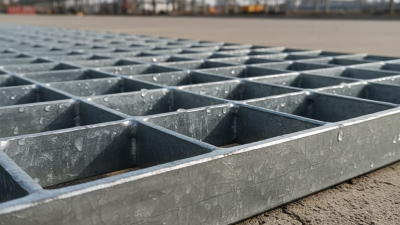
Welded steel grating is a versatile material used in various construction projects. Understanding its basics is crucial for making informed choices. This type of grating consists of crossed steel bars, welded together at their intersections. This design provides strength and stability, making it suitable for heavy loads. Its open design allows for good drainage and airflow, which is vital in many applications.
When selecting welded steel grating, consider factors like spacing and load requirements. Different projects may demand varying bar thickness and spacing. Ensure the chosen grating meets your specific strength and safety standards. A common mistake is underestimating the load-bearing capacity. Always double-check calculations for increased safety. Additionally, think about the environment where the grating will be used. Corrosive environments may require special coatings or treatments.
Not all applications are the same. Some projects may benefit from customized grating designs. However, these options could lead to higher costs and longer lead times. Reflect on your project timelines and budget constraints. Sometimes, standard products might be more efficient. Balancing the cost and quality is essential for project success. Take the time to evaluate all your options carefully.
Identifying Your Project Requirements and Specifications
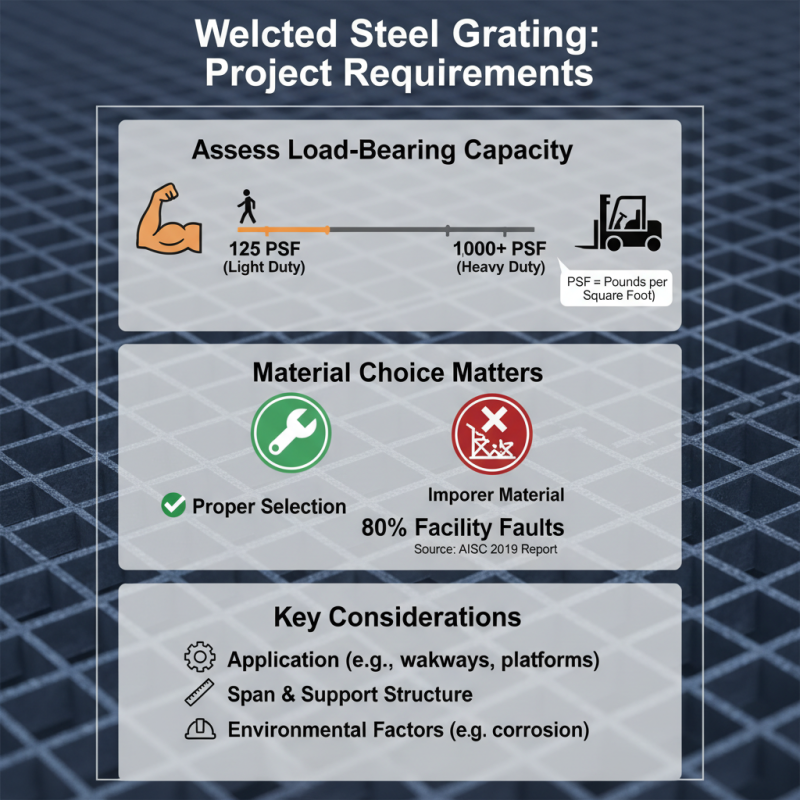
When selecting welded steel grating, understanding your project requirements is crucial. This involves assessing the load-bearing capacity, which is typically rated in pounds per square foot (PSF). For example, some projects may only require a light-duty grating, capable of supporting 125 PSF. In contrast, industrial settings often need heavy-duty options rated for 1,000 PSF or more, as per industry standards. A 2019 report by the American Institute of Steel Construction stated that 80% of facility management faults stem from improper material choices.
Another factor is chemical exposure. If your project is in a corrosive environment, considering galvanized or coated options is essential. Data from the Steel Grating Association shows that corrosion can reduce longevity by 30% or more in harsh conditions. Moreover, stakeholders should evaluate the spacing between bearing bars. Wider spacing may lead to greater visibility and airflow but can sacrifice support. Balancing these aspects is vital, as improper spacing can lead to costly repairs down the line.
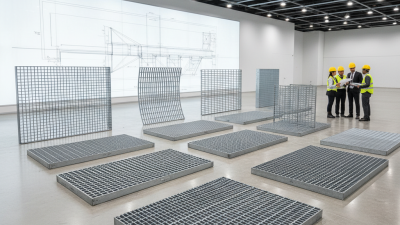
Remember that specifications may vary. Custom designs can add complexity and challenges. Ensure that you communicate clearly with engineers and suppliers to verify that all standards are met. Unforeseen circumstances, like changing project requirements, might undermine initial choices. Hence, continuous reevaluation is necessary throughout the project lifecycle.
Evaluating Different Types of Welded Steel Grating
When evaluating different types of welded steel grating, consider the specific requirements of your project. Welded grating comes in various styles, each serving distinct purposes. For instance, heavy-duty grating often holds up better in industrial settings. According to a report by the Steel Grating Institute, over 60% of steel grating applications in the industrial sector use molded and welded options. Understanding these applications is crucial for decision-making.
It’s essential to assess load capacities, as they can vary significantly. Some grates can handle up to 2,000 lbs per square foot. This rating, however, depends on the spacing and thickness of the grating bars. Keep in mind that while thicker bars may offer higher weight capacities, they can also increase costs. Evaluating long-term maintenance needs can influence the choice. Corrosion-resistant coatings might be necessary in outdoor environments, adding further complexity.
Another vital aspect is compliance with safety standards. Grating must meet specific criteria, such as slip resistance and load-bearing limits. Often, projects overlook these factors. Diligently reviewing compliance documentation can prevent future setbacks. Growth in regulations around workplace safety means vigilance in choosing appropriate grating is more crucial than ever.
Factors to Consider for Load Capacity and Safety
Choosing the right welded steel grating involves careful consideration of load capacity and safety. Load capacity is crucial for any project. It determines how much weight the grating can support without failing. Various factors influence this capacity, including material thickness and grating layout. A thicker grate generally holds more weight. The spacing between the bars also affects strength. Closer spacing may be necessary for heavier loads.
Safety is another vital aspect. Welded steel grating must meet specific safety standards. You should assess the potential hazards in your project environment. Consider factors like slip resistance and corrosion potential. Some areas may require grating that is more slip-resistant due to wet conditions. This can significantly impact worker safety.
You may need to reflect on your specific project needs. Sometimes, it might not be clear what load capacity is sufficient. It's helpful to consult with professionals. They can offer insights and help mitigate risks. Ensuring your selected grating meets both load requirements and safety standards is essential for project success.
Maintenance and Longevity of Welded Steel Grating Options
When considering the longevity and maintenance of welded steel grating, it’s essential to assess its durability against various environmental factors. High-quality welded steel grating can provide a lifespan of over 20 years under normal conditions. However, factors like exposure to chemicals or extreme weather can significantly reduce this duration. A study by the Steel Grating Institute indicates that regular maintenance can extend the life of steel grating by up to 30%.
Routine inspections play a crucial role in identifying wear and tear early on. Corrosion is a primary concern. A report from the National Association of Corrosion Engineers highlights that up to 20% of steel assets can succumb to corrosion without adequate protection. Applying protective coatings or galvanizing enhances longevity, preventing rust formation.
Proper maintenance protocols should include cleaning and periodic checks for structural integrity. Cleaning methods can vary, but effective strategies often involve pressure washing or scrubbing with non-corrosive agents. Awareness of the grating's operational environment allows for informed decisions on maintenance frequency. Neglecting these aspects can lead to costly replacements or safety hazards.
Comparison of Welded Steel Grating Types for Durability
This bar chart compares the longevity of different types of welded steel grating options. Type B shows the highest durability, making it an excellent choice for long-term projects.